- Get Involved
- BBYO Near You
- Summer Experiences
-
International Convention
International Convention
-
AZA & BBG Movement
AZA & BBG Movement
- About BBYO
Opinion
What's the Big Deal About Black Friday?

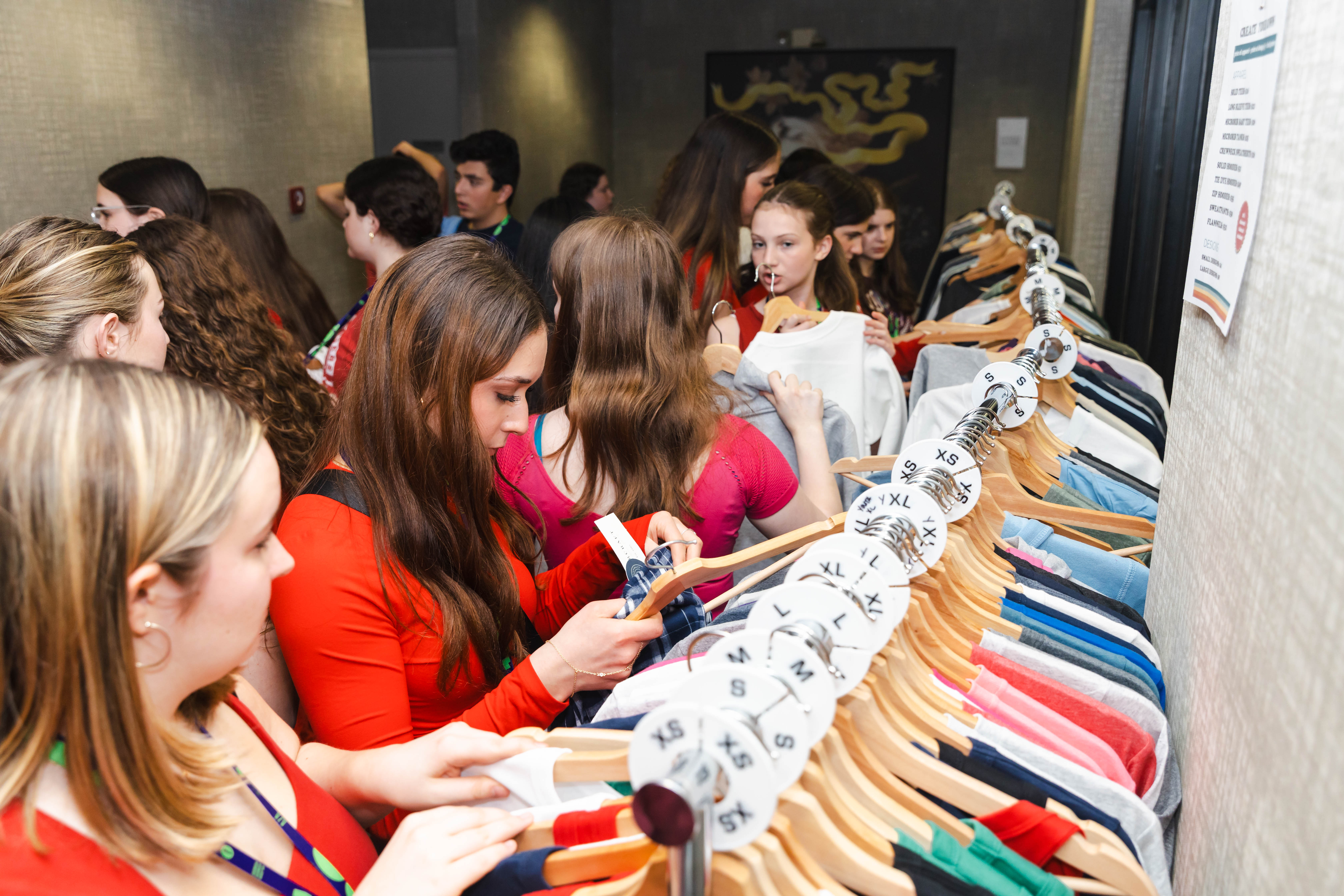
What do you think of when you hear the term, “black friday”? Maybe you think of shopping, waiting in lines till dawn, or discounts on normally high priced albums that results in fights. While this is what black friday has come to represent, it did not start this way.
It all started in Philadelphia; the day after Thanksgiving streets would fill up with busy shoppers and tourists. Often times, shoplifters used this chaotic day to make it easier to steal. The term, Black Friday, did not catch on until the ‘60’s. Many stores made attempts to change the name to Big Friday, but this efforts failed. By the 1980’s, Black Friday was a nationally used term; the negative connotation that came with it turned positive.
While the term, Black Friday, has changed from something the police would use into an national day to shop with hefty deals, there is also room to question the psychology behind it. Why do people feel as though they need to get into fights just to get a big screen T.V? And how do stores lure buyers in?
While many people don’t actually search for anything particular on this day,
people enjoy the adrenaline rush they get from shopping. One day a year, people get to go into stores and get into arguments over material items, or run through their favorite stores, yanking items off of racks. Furthermore, many people have Black Friday off from work or school, and often times people have their families over for Thanksgiving. This day, Friday, creates a gap; everyone has this time off, family and friends are in town, and people search for things to do. Many people can get excited about Black Friday simply because it is something to do on a normally lack-luster day.
Often times Black Friday deals are not the cheapest prices for items. So next year, instead of waiting in lines from dusk till dawn, search for the lowest prices for items, look at cyber Monday deals, and relax.
All views expressed on content written for The Shofar represent the opinions and thoughts of the individual authors. The author biography represents the author at the time in which they were in BBYO.
Explore More Stories
Connection

Carrying the Limp Forward: Lessons on Strength and Resilience from Parashat Vayishlach
Inspired by Jacob’s midnight wrestle in the Torah and by hearing Rachel Goldberg-Polin and Jon Polin speak, this article is all about what it really means to keep pushing forward after hard times instead of pretending everything is ok, even with a limp.
Opinion

¿Qué Pasaría Si BBYO no Existiera? Por Qué Giving BBYO Day Importa Más de lo Que Creés
¿Alguna vez imaginaste cómo sería tu vida si nunca hubieras conocido BBYO? Detrás de cada donación durante Giving BBYO Day hay mucho más que plata en juego.

Rewind

Walking Into Something New Can Be Scary
Walking into something new can be scary, but sometimes the best memories come from taking that first step.