- Get Involved
- BBYO Near You
- Summer Experiences
-
International Convention
International Convention
-
AZA & BBG Movement
AZA & BBG Movement
- About BBYO
Identity
High Holidays, But Different
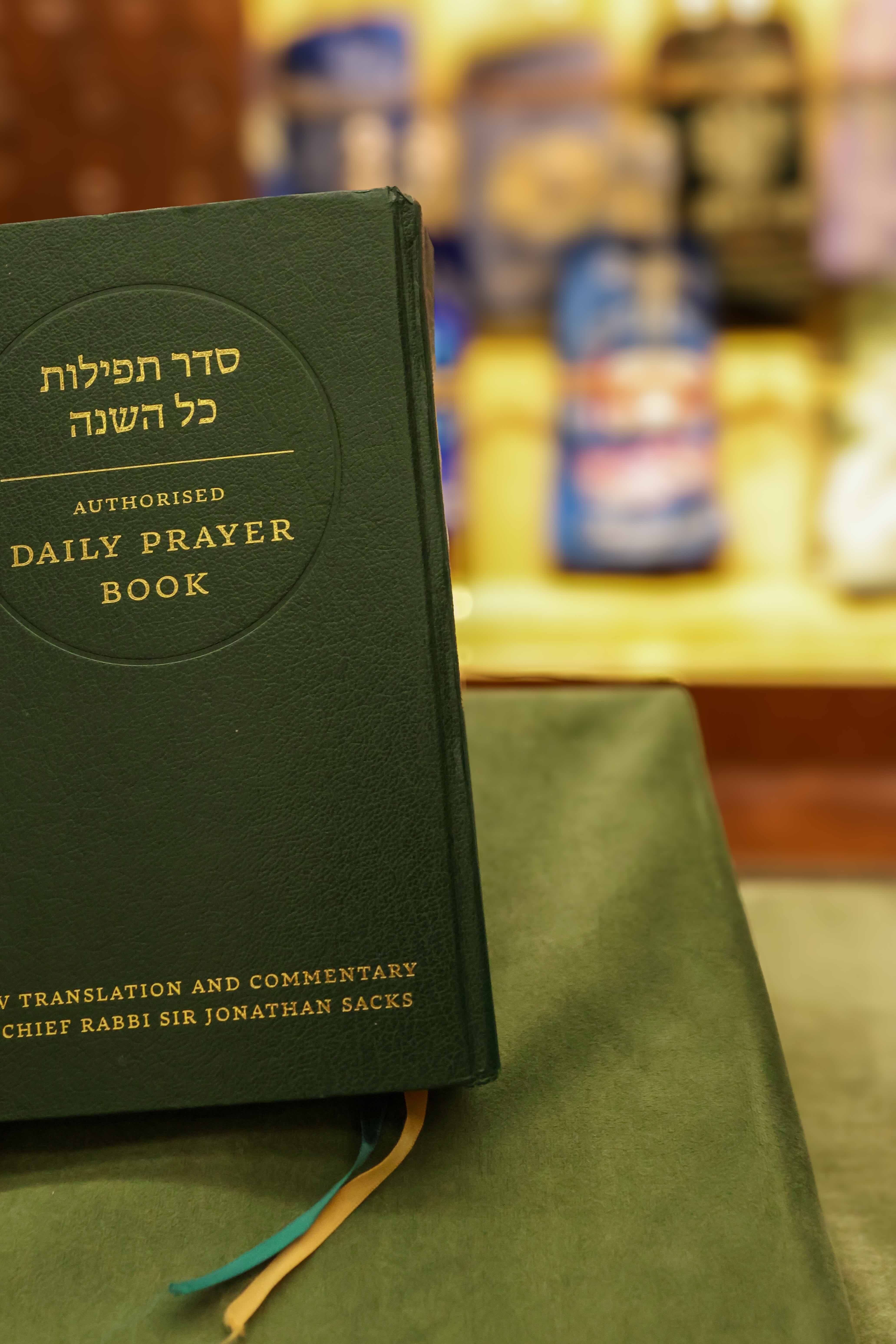
As the High Holiday season arrived this year, I was more excited than usual because I had the opportunity to spend Rosh Hashanah with my family in St. Louis, Missouri at the United Hebrew Congregation. It was really special to attend High Holiday services at the very temple where I grew up and had my bar mitzvah, despite living eight hours away from it.
As we walked back into United Hebrew and my family ascended to our usual spot in the back row of the balcony overlooking the entire congregation a feeling of calmness and nostalgia swept over me.
This exact spot is where my friends and I would come during B’nai Mitzvahs to distract our friend on the Bimah, it’s where we came to hide from our parents during Shabbat Services, in fact, it’s where we hid for some extremely long bathroom breaks during Hebrew school as well. All of a sudden I was at peace as my favorite Rabbi took to the microphone and began welcoming everyone to services.
But in her initial speech something changed, something felt different. I had attended 15 years of High Holiday services in this very room with the same Rabbis, stories, and prayers. This year they added a line to the normal welcome message. Right before finishing and moving into prayers she paused and said “I want to take a minute to review safety procedures in the unlikely event of an emergency.” Immediately I was startled and taken aback because to me Those words don’t belong in the same room as the sounds of praying and the noise of the Shofar, but yet this year all three were heard in the same room, from the same Rabbi.
That sentence is saved for planes, movie theaters, and emergency drills at school, it’s only said in places where, to be frank, an emergency is more than possible. None of these places nor this definition we’re meant to describe my synagogue on Rosh Hashanah though.
Let’s face it we’re all used to having security and police outside of Temple to keep us safe, but when I returned home to United Hebrew something had changed. These measures of security and warnings had penetrated the walls of our congregation and had arrived directly on the Bimah in front of hundreds of congregants. This year as I returned to my safe space, but I was not greeted by the Modeh Ani or Mah Tovu but rather reminders of where the exits are, directions to our secure basement, and warnings of emergency dismissal procedures.
This is by no means a political statement or an accusation, but rather an observation that our kids will never know what it was like to not have to worry about praying safely, because instead for them it won't be a change or a shock as they begin a service, no for them that will just be how any service has to start, with warnings of violence.
All views expressed on content written for The Shofar represent the opinions and thoughts of the individual authors. The author biography represents the author at the time in which they were in BBYO.
Explore More Stories
Identity
Taking The Risk
A personal reflection on what it means to risk starting over in order to feel safe and proud being Jewish.
Identity
The Importance of Traditions
From pancakes to paperclips, traditions build connections and friendships.
Opinion
Seatbelt Stories
Giving rides to underclassmen in BBYO, and in general, hits different. Why?