- Get Involved
- BBYO Near You
- Summer Experiences
-
International Convention
International Convention
-
AZA & BBG Movement
AZA & BBG Movement
- About BBYO
Opinion
Passover: A Literature Lover’s Favorite Holiday
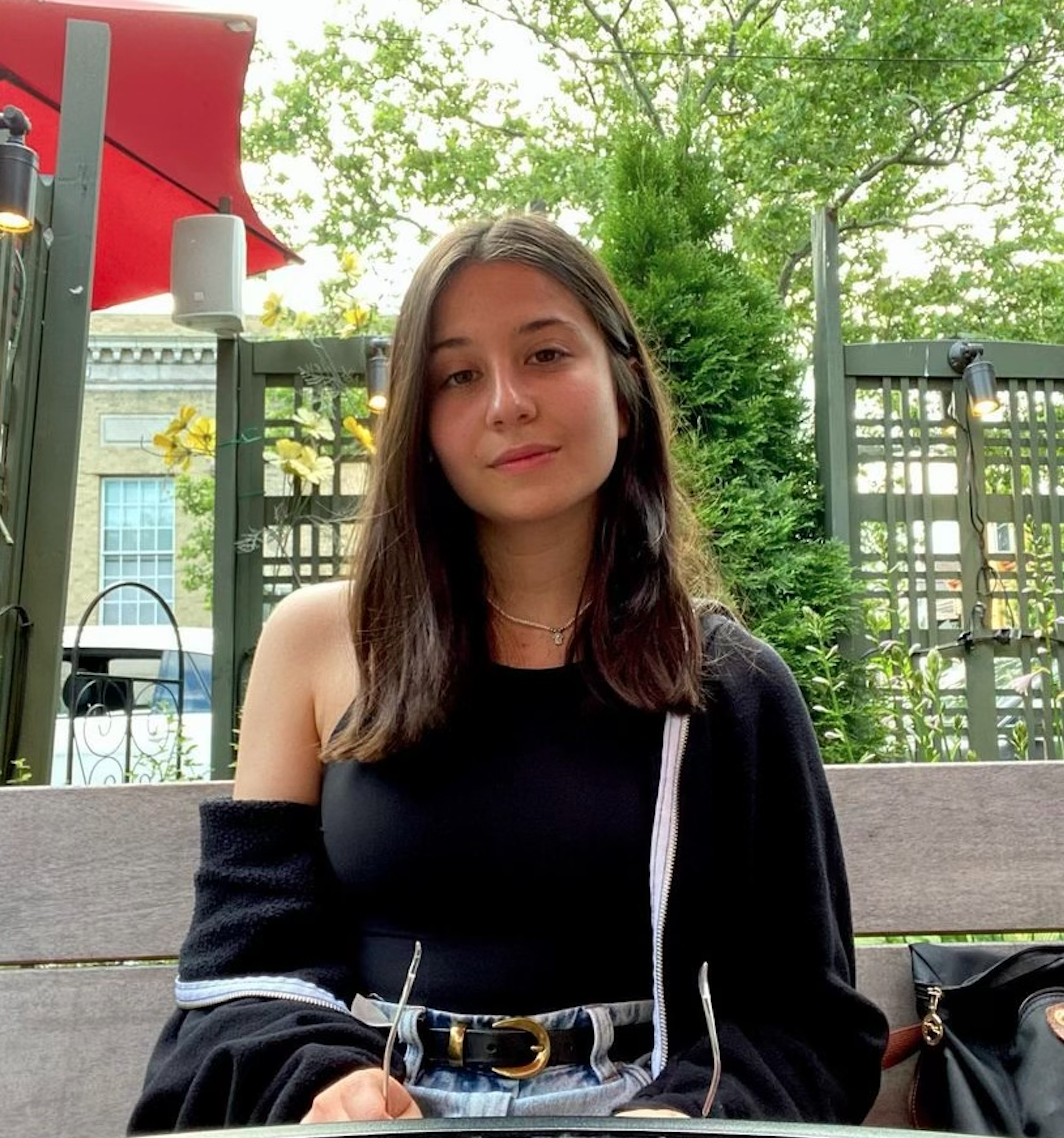
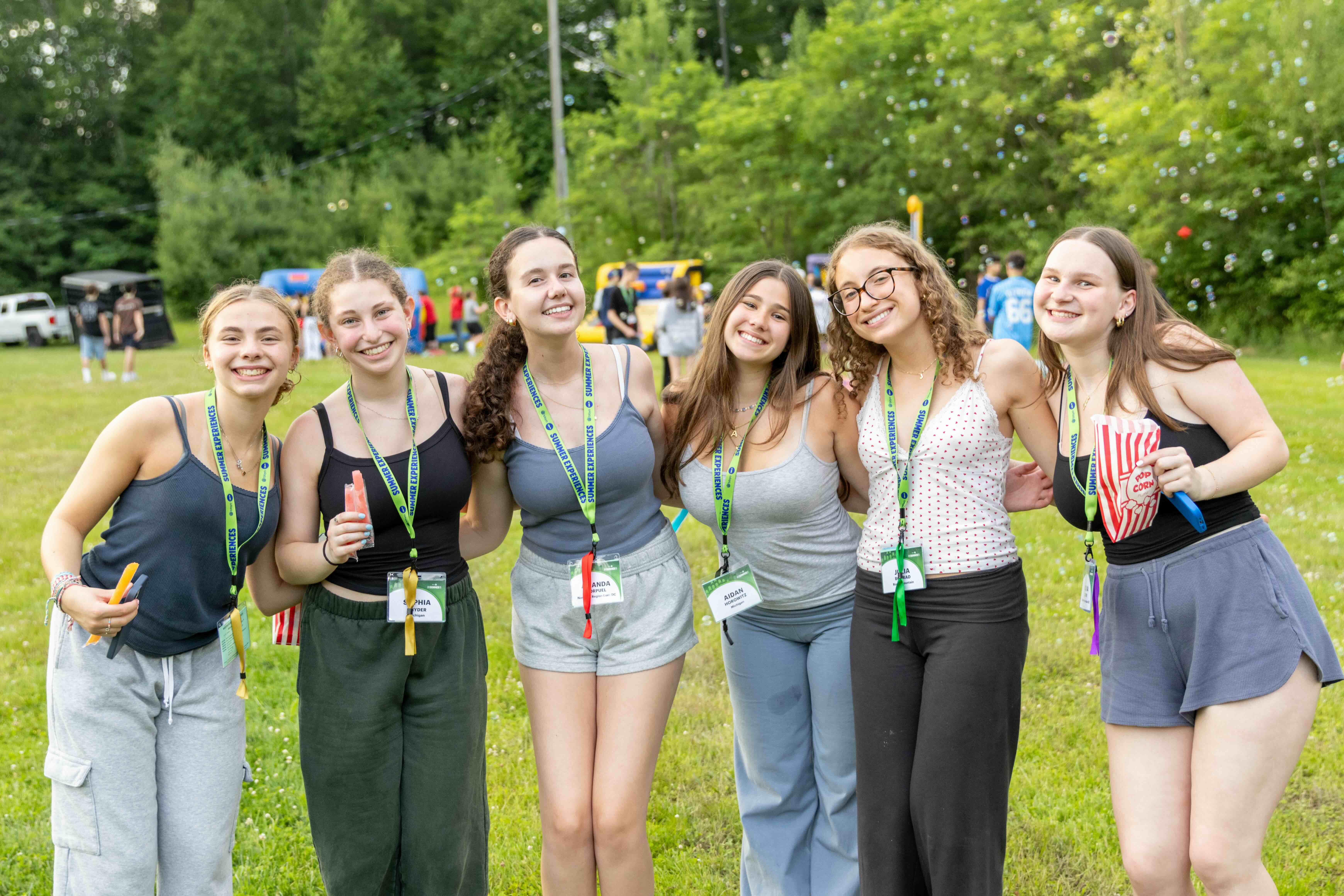
I’ve always asserted that Passover is my favorite Jewish holiday. And while I absolutely love the family time, the wheat-free desserts, and Chad Gadya, what makes Passover my favorite is the symbolism and the questioning.
Let’s start with the symbolism. As Jews, we like to use food to recreate the moments of our ancestor’s suffering. Shaved apples as a stand-in for brick and mortar? Yes please. Beet-dyed horseradish to commemorate the bitterness of slavery? Sign me up. Four cups of wine to represent the pleasure of freedom? Absolutely. The belief that every object has both its own intrinsic meaning along with the meaning we bestow upon it is integral to analyzing a text. For example, we double dip parsley into salt water to remember the sins that sent the Jews into exile and the tears the Israelites shed in Egypt. This double interpretation illustrated to me the necessity of looking at situations through multiple lenses. Growing up and hearing my father detail all the possible meanings and interpretations of the objects on our seder plate instilled in me a love for creative storytelling.
Next up is questioning. When I was little, my favorite text was called the Big Book of Why. In it, questions to all of life’s daring questions such as Why do my glasses work? and Why do planes fly? As you can tell, I was already quite the inquisitive child. This love of discussion was only buttressed by Ma Nistanah, or The Four Questions. A time when the youngest child (me), was not only free to, but obligated to ask questions regarding the customs of the holiday. More than that, my uncle always encouraged all of the kids to interrupt the seder with any inquiries we may have had. This led me to want to know more about why F. Scott Fitzgerald made Daisy’s dock light specifically green. I searched for why John Kennedy Toole set A Confederacy of Dunces in New Orleans and not New York. I ached to know why Holden Caufield, a smart boy, was failing his classes.
The skills I gained through my Passover seders created and then reinforced my love of all things literature.
All views expressed on content written for The Shofar represent the opinions and thoughts of the individual authors. The author biography represents the author at the time in which they were in BBYO.
Explore More Stories
Identity
Taking The Risk
A personal reflection on what it means to risk starting over in order to feel safe and proud being Jewish.
Identity
The Importance of Traditions
From pancakes to paperclips, traditions build connections and friendships.

Opinion

Seatbelt Stories
Giving rides to underclassmen in BBYO, and in general, hits different. Why?