- Get Involved
- BBYO Near You
- Summer Experiences
-
International Convention
International Convention
-
AZA & BBG Movement
AZA & BBG Movement
- About BBYO
Opinion
Between Truth and Bias: The Media’s Role in the Israel-Hamas Conflict

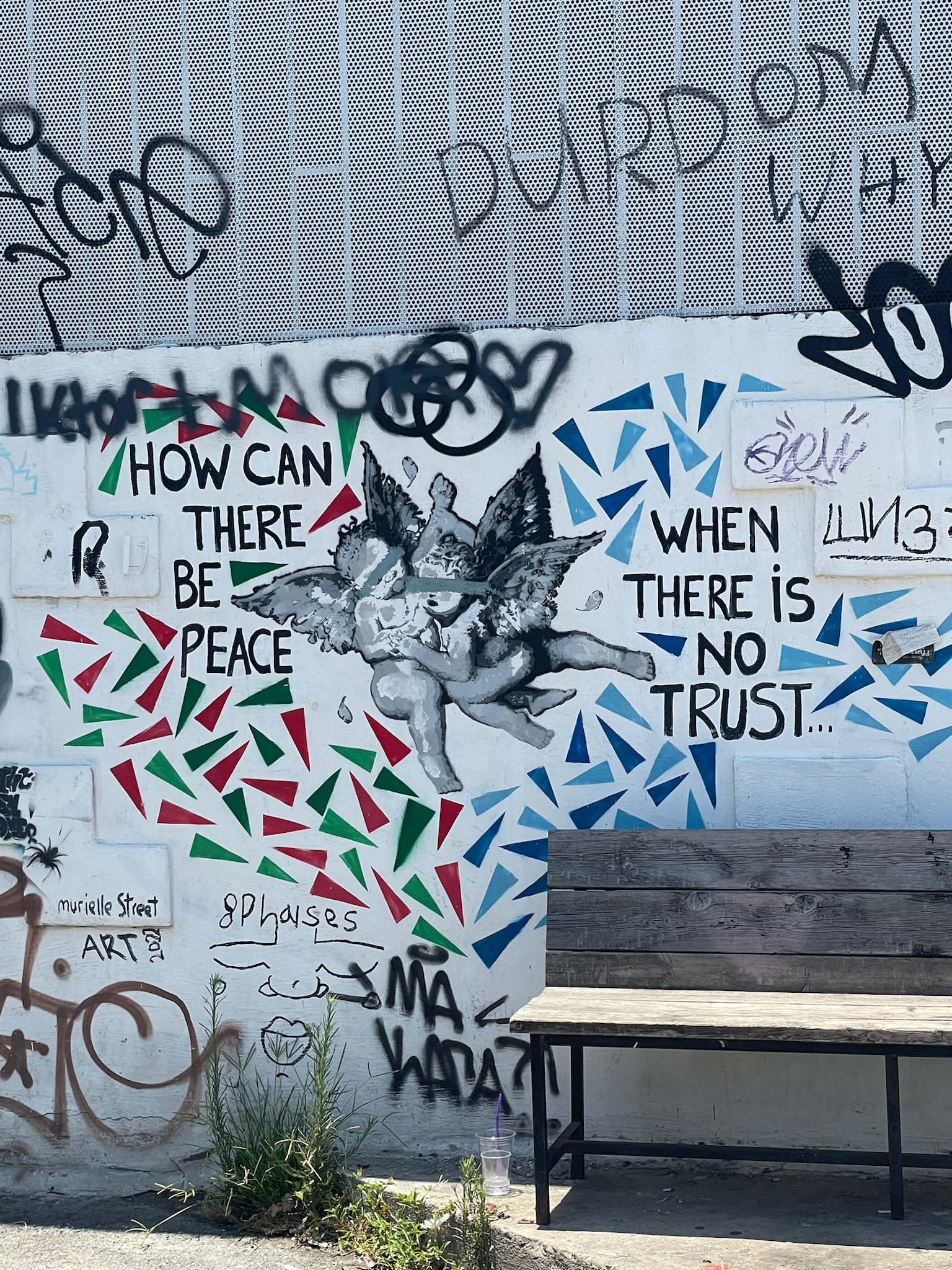
The recent coverage of the Israel-Hamas conflict in German media highlights a concerning pattern: distorted narratives that blur the lines between the aggressors and the defenders. This is particularly visible in the way many news outlets engage in what can be called a “victim-perpetrator reversal” and the infamous “yes, but” narrative, which tries to balance terrorist acts with humanitarian issues. While such balance is often essential in complex conflicts, it dangerously distorts reality.
The core of the problem is how Hamas’s brutal attacks are reported. The indiscriminate murder of civilians and children and other atrocities should be clear acts of terror; however, many reports soften the blow, framing these crimes alongside the hardships of Palestinians in Gaza. This “yes, but” approach weakens the gravity of the attacks and creates a false moral equivalence between Hamas, a terrorist group, and Israel, a sovereign state defending its people. This narrative shift can leave audiences confused about who is truly responsible for the violence.
Israeli self-defense measures are also often portrayed as disproportionate, with media outlets focusing more on the aftermath of Israel’s military responses than on the violence that prompted them. Instead of highlighting the complexity of counterterrorism, the media frequently frames Israel’s actions as excessively aggressive. This imbalance not only misrepresents the conflict but has real-world implications, influencing public opinion and even political discourse.
Furthermore, the media’s role in covering such a deeply rooted and emotionally charged conflict carries a particular responsibility. The suffering and insecurity endured by civilians on both sides is one of the few constants, and this cannot be overstated. Innocent people such as families, children, and women are often the first to bear the consequences of this violence. The media must highlight this civilian suffering while avoiding a problematic symmetry that distorts reality.
Both Israelis and Palestinians in the conflict zones face enormous psychological and physical challenges. However, when the media starts talking poorly about the Israeli government or even Israel in general (of course, covered up with dramatic stories), this leads to enormous demonstrations and protests against not only Israel but all Jews in Germany and around the world.
For me, as a Jew with German citizenship, watching the news feels overwhelming and unsettling. When the media misrepresents the conflict, it doesn’t just impact views on Israel - it also affects Jewish communities here in Germany. Coverage that criticizes Israel leads to anger, not only toward the Israeli government but toward the Jewish people as a whole. This connection is unfair and makes me feel as though I’m being judged or blamed for things far beyond my control. Seeing large protests filled with anger, sometimes even directed at Jewish people, makes it clear how much these narratives influence the daily life of Jewish People in Germany. It’s a heavy feeling, realizing that media portrayals can shape how people around me view my community and me.
Ultimately, it made me realize, that the media’s duty to report accurately, without exaggerating or downplaying are super important, not only in this, but in every war and I hope, that this can and will change in the future, so that we will get the chance to build our very own opinion, without being pushed towards one.
All views expressed on content written for The Shofar represent the opinions and thoughts of the individual authors. The author biography represents the author at the time in which they were in BBYO.
Explore More Stories
Identity

Taking The Risk
A personal reflection on what it means to risk starting over in order to feel safe and proud being Jewish.
Identity
The Importance of Traditions
From pancakes to paperclips, traditions build connections and friendships.

Opinion

Seatbelt Stories
Giving rides to underclassmen in BBYO, and in general, hits different. Why?