- Get Involved
- BBYO Near You
- Summer Experiences
-
International Convention
International Convention
-
AZA & BBG Movement
AZA & BBG Movement
- About BBYO
Identity
Writing the Rules: How AZA’s Democracy Empowers Teen Leaders
When most teens join a club, they follow the rules. In the Aleph Zadik Aleph, we write them.
AZA’s founding principle—that democracy must be learned by each generation—is more than just a nice idea. It’s our reality. Since 1924, this movement has empowered Jewish teens not just to participate but to lead, govern, and shape their communities. And unlike most youth organizations, AZA isn’t just about symbolic leadership—it’s about real responsibility, real votes, and real change.
That tradition began almost immediately after AZA’s founding. In 1925, Charles Shane became the first Grand Aleph Godol, chosen by his peers, not appointed by adults. That election set the tone for what AZA would become: a movement governed by teens, for teens. From the earliest chapters to today’s global network, Alephs have been using business meetings, constitutions, and legislation to build and guide their Order.
What makes AZA unique is how seriously it takes youth empowerment. Teen leaders aren’t tokens—we are the architects. Every region, council, and chapter has the ability to write and ratify its own constitution, to create bylaws, and to pass resolutions that directly impact its operations. We use Robert’s Rules of Order. We hold real elections. We create legislation, amend it, debate it, and sometimes, after long meetings and passionate discussion, we pass it.
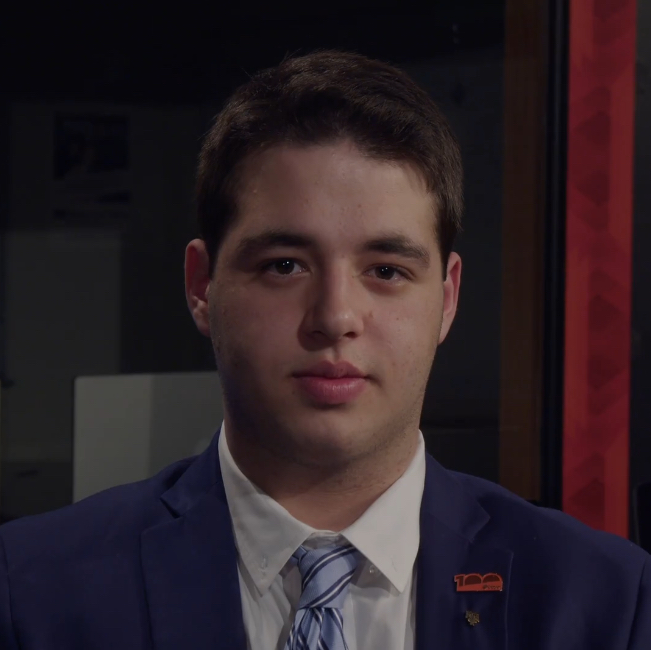
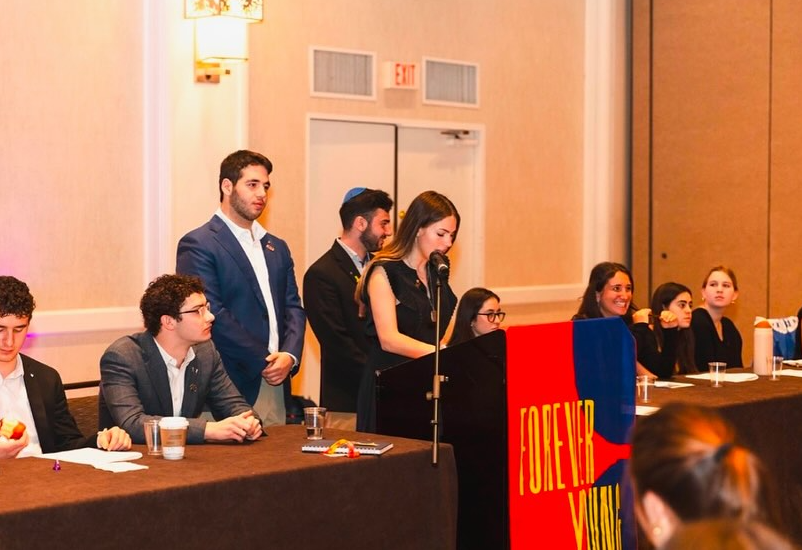
I experienced this firsthand as the 23rd Regional Mazkir of the Great Midwest Region. At our Invite Convention this past winter, I had the opportunity to chair our Business Meeting. It wasn’t just an exercise in procedure—it was a pivotal moment for our region. We reviewed, debated, and voted on legislation that would define how we function for years to come. More importantly, this upcoming week, we will hopefully pass a brand new regional constitution—one that I had the honor of writing.
The process was intense: research, revisions, conversations with past leaders, and listening to Alephs across the region to ensure the new constitution reflected our current values and vision. It wasn’t about changing things for the sake of change—it was about creating a document that could evolve with us, while still honoring the foundation AZA was built on. Watching that constitution pass, knowing that something I helped write would guide our region going forward, will be one of the most rewarding moments of my AZA journey.
In AZA, that kind of experience isn’t rare—it’s expected. We don’t just inherit our Order. We shape it. We don’t just lead for appearances. We lead because we care. And our structures—from international business meetings to chapter motions—allow every Aleph to have a voice and a vote.
That’s the legacy Charles Shane helped begin. And it’s the legacy every Aleph continues each time we step up to lead, speak up in a meeting, or raise our hands to vote.
AZA’s democracy doesn’t just teach us about leadership. It gives us the chance to live it, in real time. To learn how to listen, how to compromise, how to build coalitions—and how to make things happen. And it leaves everyone of us with a powerful truth: when given the chance, teens don’t just rise to the occasion.
We write the future.
All views expressed on content written for The Shofar represent the opinions and thoughts of the individual authors. The author biography represents the author at the time in which they were in BBYO.
Explore More Stories
Identity

Taking The Risk
A personal reflection on what it means to risk starting over in order to feel safe and proud being Jewish.
Identity
The Importance of Traditions
From pancakes to paperclips, traditions build connections and friendships.

Opinion

Seatbelt Stories
Giving rides to underclassmen in BBYO, and in general, hits different. Why?