- Get Involved
- BBYO Near You
- Summer Experiences
-
International Convention
International Convention
-
AZA & BBG Movement
AZA & BBG Movement
- About BBYO
Identity
How International Kallah Helped Me Redefine My Jewish Identity

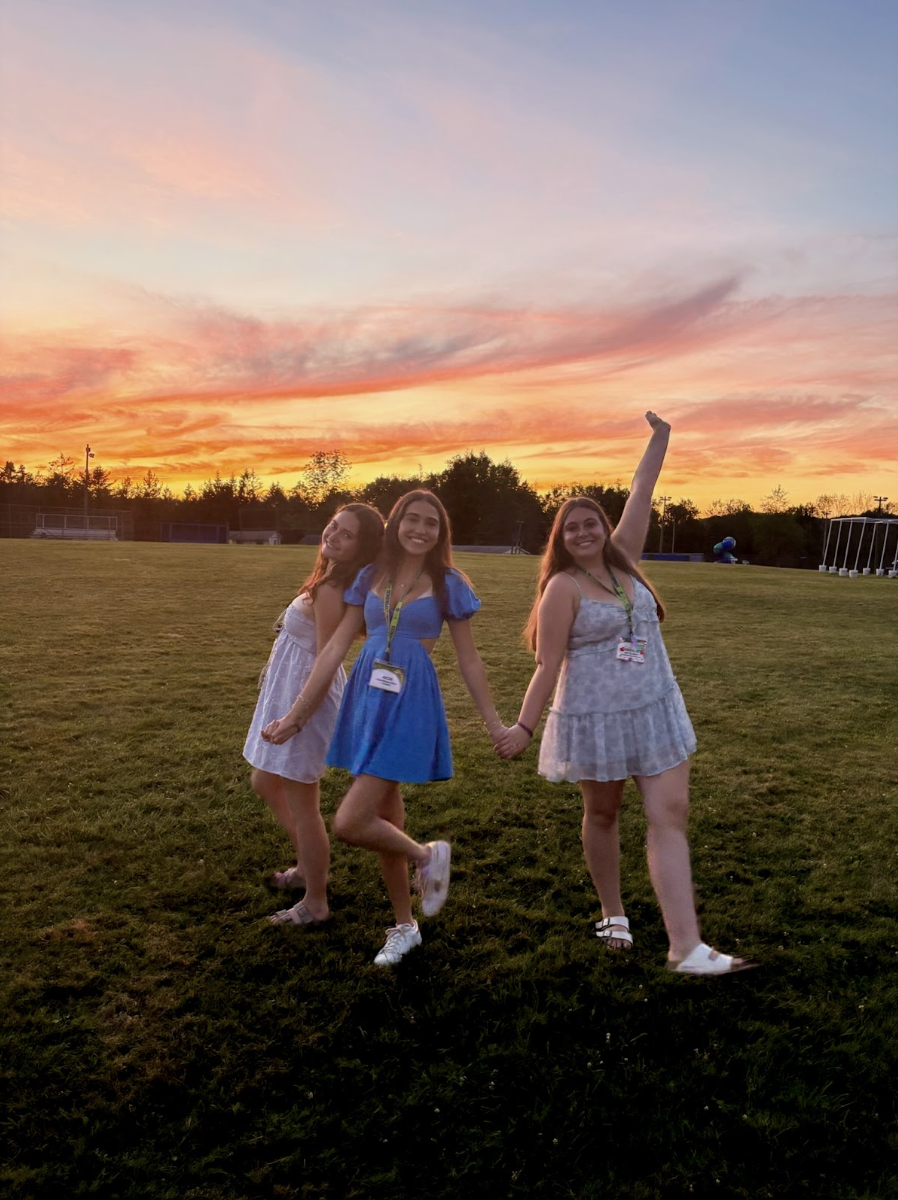
It sounds dramatic, I know, but there’s really no other way to describe it. International Kallah literally changed my life. Sure, I met some of my best friends and did all the classic camp things like swimming in the lake, debating around a bonfire. But what made Kallah so transformative wasn’t just the fun. It was then that I finally found the comfort I’d been searching for in my Jewish identity.
Ever since I was little, I’ve grown up as a Conservative Jew. My family belongs to a Conservative synagogue, we celebrate every holiday, and I’ve always been surrounded by Jewish tradition. But for years, I never really felt like a “Conservative Jew.” I always thought I had to do more; know more Hebrew, keep more traditions, be more observant to fit into that label. I wanted to live up to this invisible standard of what it meant to be “Jewish enough.”
At Kallah, that mindset finally started to shift. Being surrounded by dozens of passionate Jewish educators and teens who all practiced Judaism in their own unique ways opened my eyes. For the first time, I permitted myself to explore what my Judaism could look like…not what I thought it was supposed to be.
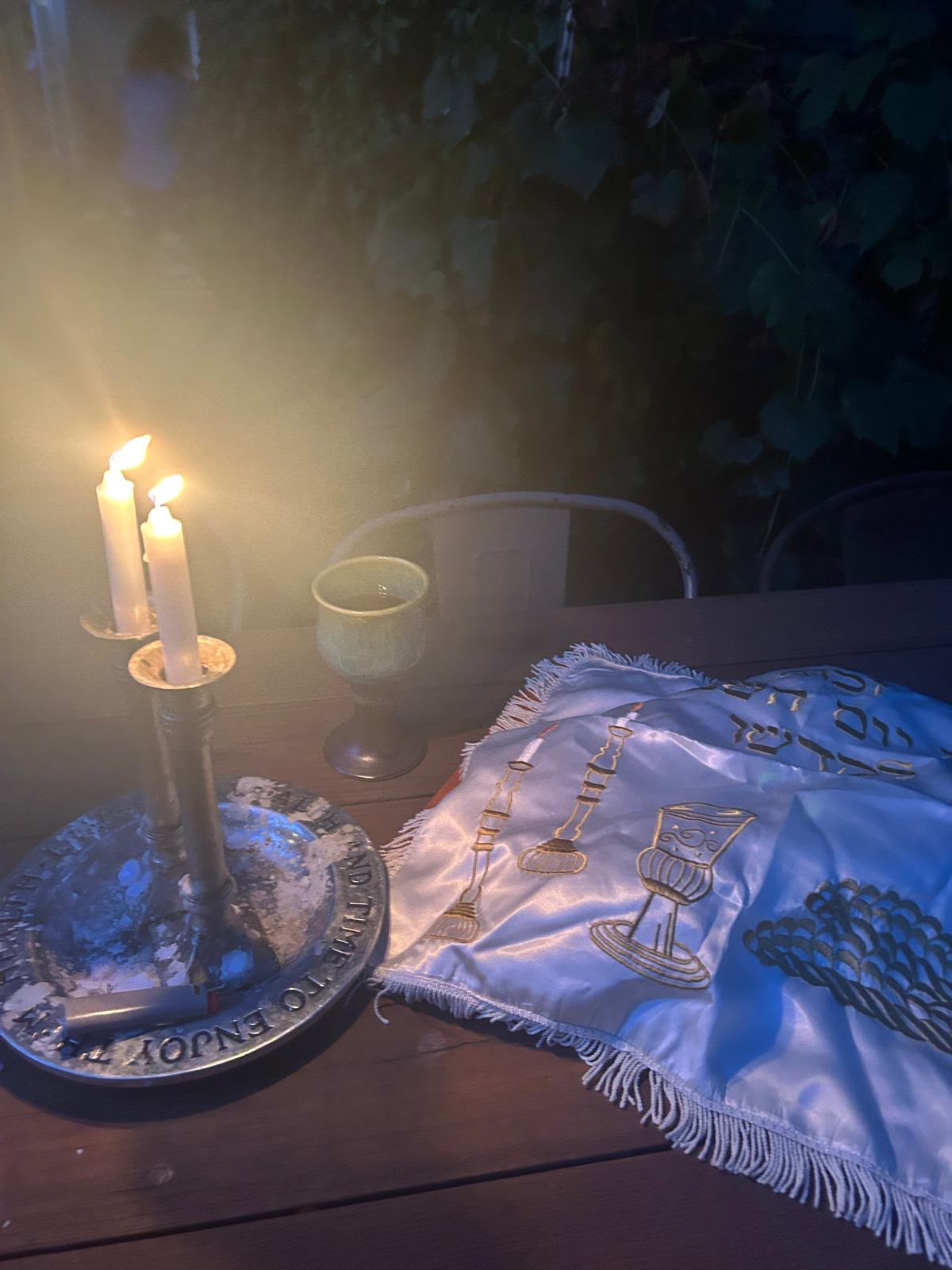
That first Shabbat at Kallah, I decided to put my phone away completely and attempt to live “Shomer” for the day. I thought it would feel limiting, but it turned out to be one of the most freeing experiences I’ve ever had. Disconnecting from the outside world helped me reconnect to myself. I realized that this, my version of Shabbat, was Jewish enough.
Then came the Amidah. Every service, when the prayer leader would announce, “Continue silently,” I’d freeze a little. What did that even mean? Was I supposed to recite the Hebrew in my head? Meditate? Just stand there quietly and pretend? At Kallah, I finally found my answer. I learned that “continuing silently” doesn’t look the same for everyone, but it’s deeply personal. For me, it meant reading the English translation, line by line, and truly understanding the words I was reading. I stopped worrying about doing it “right” and started focusing on what it meant to me.
I also read Torah for the first time since my Bat Mitzvah. Standing at the “bimah” again felt like a full-circle moment and a quiet redemption of the part of me that had questioned whether I was “Jewish enough.” As I chanted familiar words to an audience that I can now call my family, I realized that my connection to Judaism had never gone away; it had just been waiting for me to rediscover it in new ways. At that moment, I didn’t feel like I had to prove anything, but I simply felt proud to be Jewish, in my own way.
I realized that my Judaism wasn’t something to compare or measure, but it was something to live in the moment with. Kallah taught me that there’s no single way to be Jewish. Whether it’s lighting Shabbat candles, singing during Havdalah, or simply finding peace in a prayer’s meaning, every expression of faith is valid.
I left Kallah not just with memories, but with a new sense of pride in who I am as a Jew. For the first time, I wasn’t trying to be more or less… I was just being me.
All views expressed on content written for The Shofar represent the opinions and thoughts of the individual authors. The author biography represents the author at the time in which they were in BBYO.
Explore More Stories
Identity

Taking The Risk
A personal reflection on what it means to risk starting over in order to feel safe and proud being Jewish.
Identity
The Importance of Traditions
From pancakes to paperclips, traditions build connections and friendships.

Opinion

Seatbelt Stories
Giving rides to underclassmen in BBYO, and in general, hits different. Why?