- Get Involved
- BBYO Near You
- Summer Experiences
-
International Convention
International Convention
-
AZA & BBG Movement
AZA & BBG Movement
- About BBYO
Identity
Why Hebrew Matters

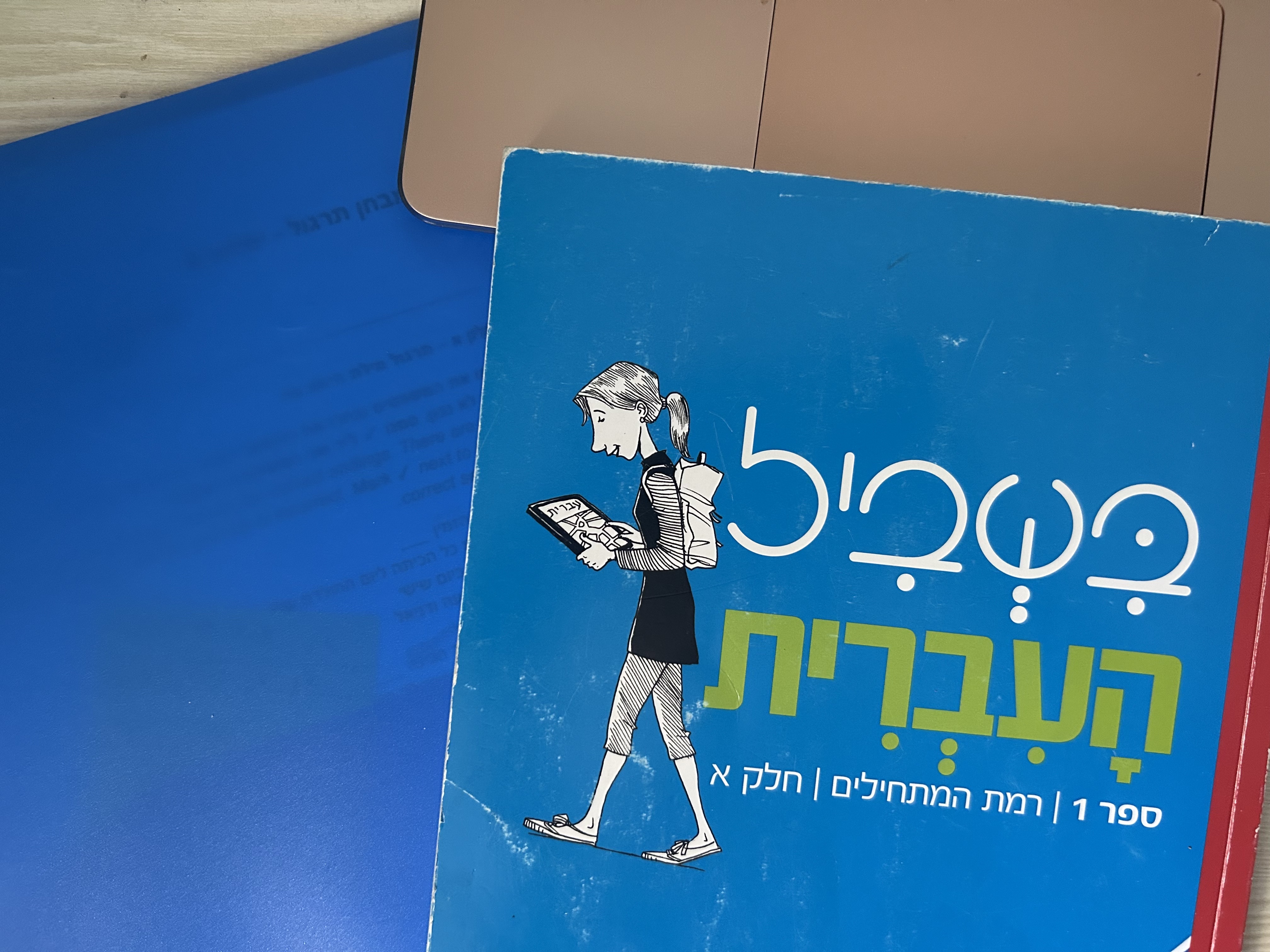
I was first able to learn Jewish prayers not by understanding, but by memory. After the first couple of tefillot, songs became muscle memory for my mouth, though the meanings behind the syllables remained unclear. In seventh grade, I was thrown into a vibrant Jewish school and tasked with prayer at least twice a week. The hymns–with the exception of a few basic ones–felt foreign on my tongue. Other aspects of this new school were familiar; of course, we had the core subjects. Beyond that, we had not only Jewish Studies but also a second-language class in addition to Spanish: Hebrew.
I found myself learning letters of the aleph-bet daily, as a kindergartener would. At first, staring at a block of Hebrew looked like a sea of symbols I had no chance of deciphering. They could be random drawings for all I knew, and I probably couldn’t point out a Hebrew letter from a suspicious scribble. All my new friends had been learning Hebrew since Kindergarten, so it was all familiar to them. But, as my beginner class made our way through the aleph-bet, introducing vowels along the way, meanings started to emerge.
The first full word I learned in Hebrew was “Shabbat.” It was easy enough for beginners, but at the time, I didn’t understand what deeper meaning this would hold. Eventually, I gained more practice and confidence, and by the time of my middle school graduation, I had grown fond of Hebrew. Not only that, but after repeating the prayers weekly for two years, I started memorizing them. The words flowed off my tongue, and I felt like I was finally a part of the club. Yet, the meaning was still missing. I listened to the Rabbi explain stories and provide context to prayers, but I didn’t take the time to dissect each line and see if I could understand it.
Leaving my Jewish day school for high school didn’t mark the end of my Hebrew journey; I continued taking lessons outside of school. It was a new environment, but the letters were familiar. It was at this time that I had learned enough vocabulary and grammar to begin to realize the meaning of the individual words in prayers. During a chapter Shabbat, I was looking at our prayer list and realized that not only could I recognize a few words, but I could understand and translate an entire line of V’shamru. It was only three words, but they meant everything: “To do Shabbat.”
These words transcend their apparent meaning. When we understand Hebrew, the prayers stop feeling distant; they become conversations instead of recitations. These words mean connecting to the Jewish people over thousands of years. To me, Hebrew is not about fluency or perfection–though I hope to achieve that one day–it’s about figuring out how to light a familiar candle to illuminate the words and faces of those who came before us. Hebrew is an ancient story we can read, one letter at a time. Eventually, we can etch our own words into the narrative.
All views expressed on content written for The Shofar represent the opinions and thoughts of the individual authors. The author biography represents the author at the time in which they were in BBYO.
Explore More Stories
Identity

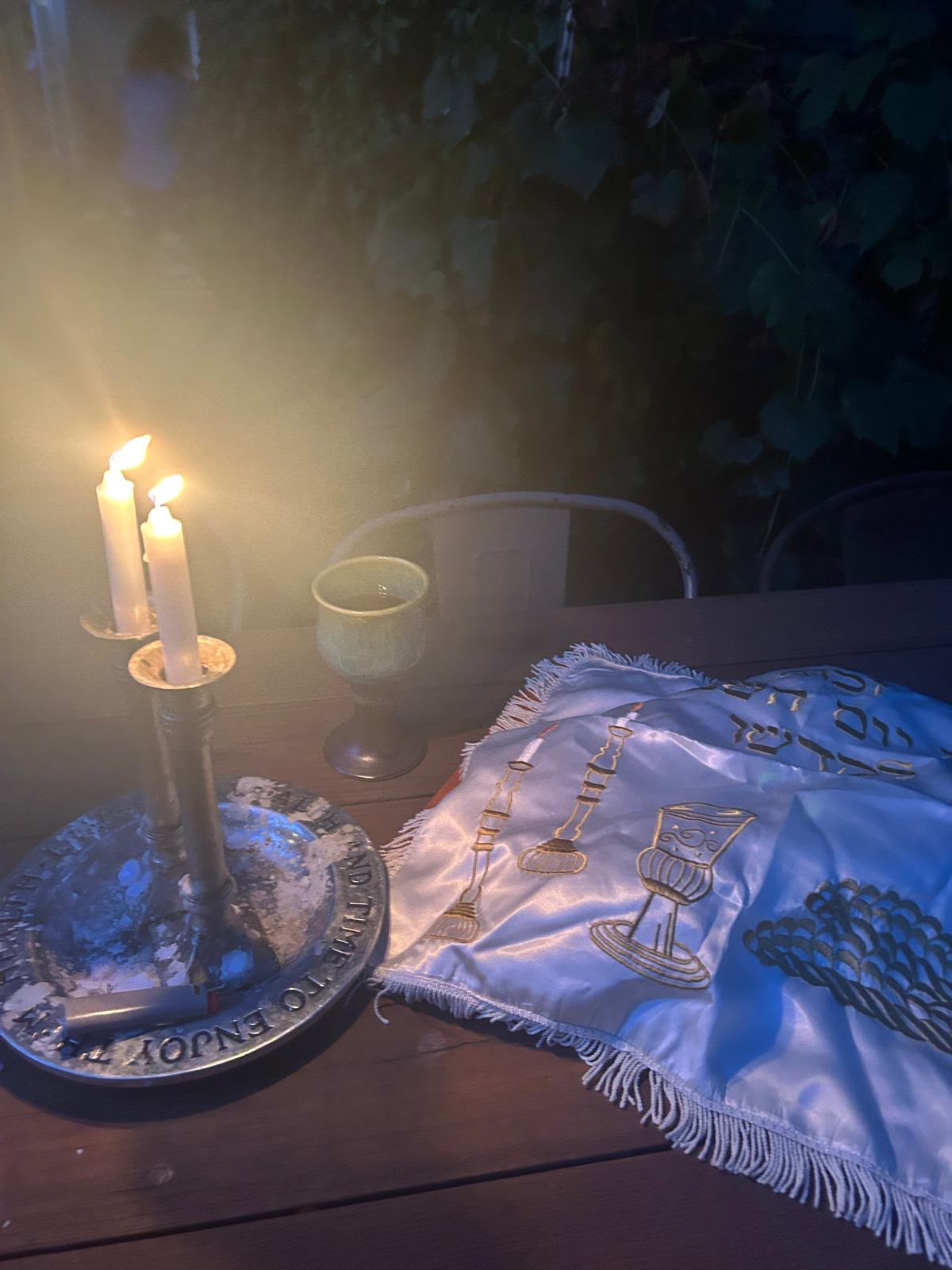
Taking The Risk
A personal reflection on what it means to risk starting over in order to feel safe and proud being Jewish.
Identity

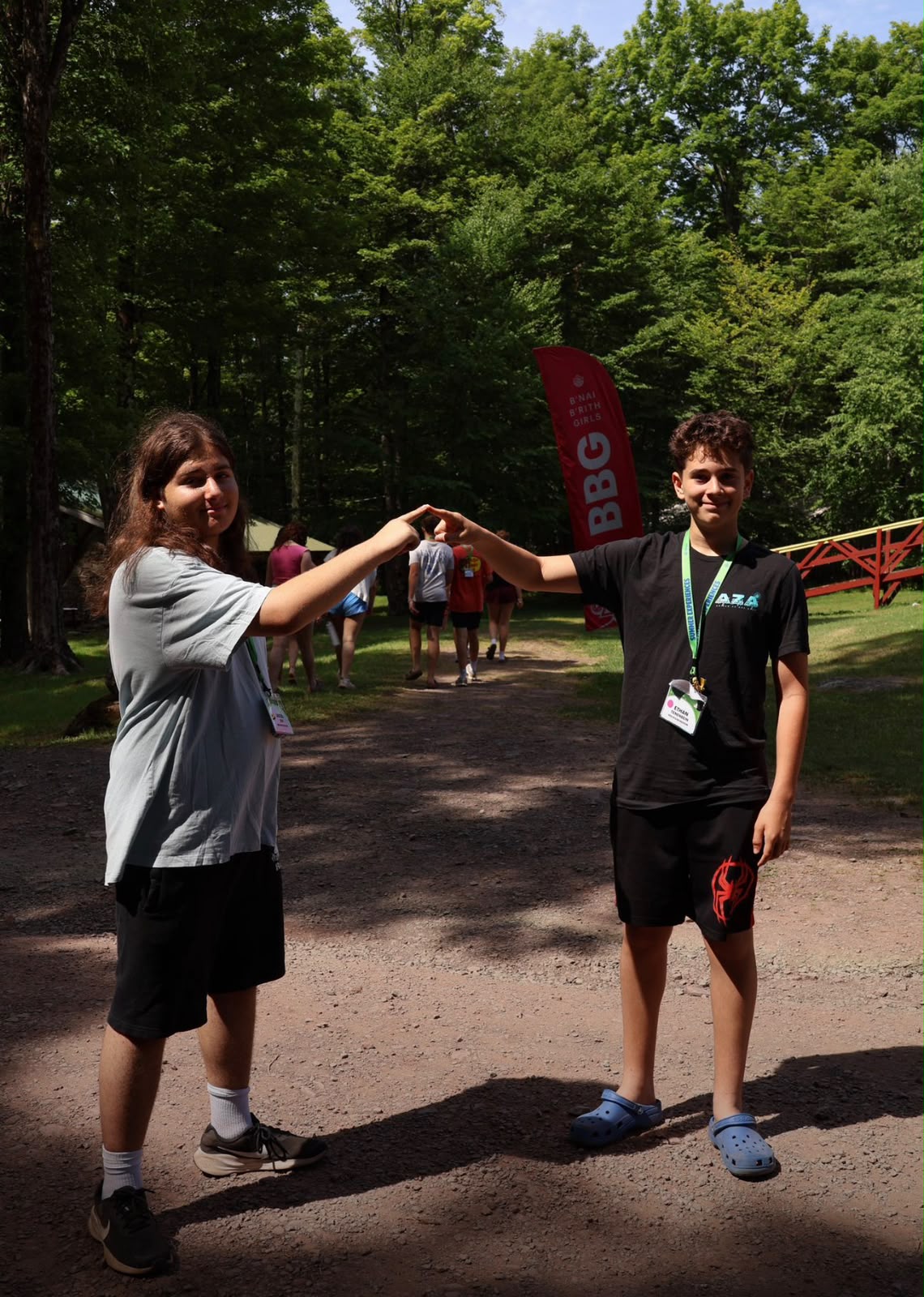
The Importance of Traditions
From pancakes to paperclips, traditions build connections and friendships.

Opinion

Seatbelt Stories
Giving rides to underclassmen in BBYO, and in general, hits different. Why?