- Get Involved
- BBYO Near You
- Summer Experiences
-
International Convention
International Convention
-
AZA & BBG Movement
AZA & BBG Movement
- About BBYO
Connection
Top Ten Ways to Celebrate Shabbat

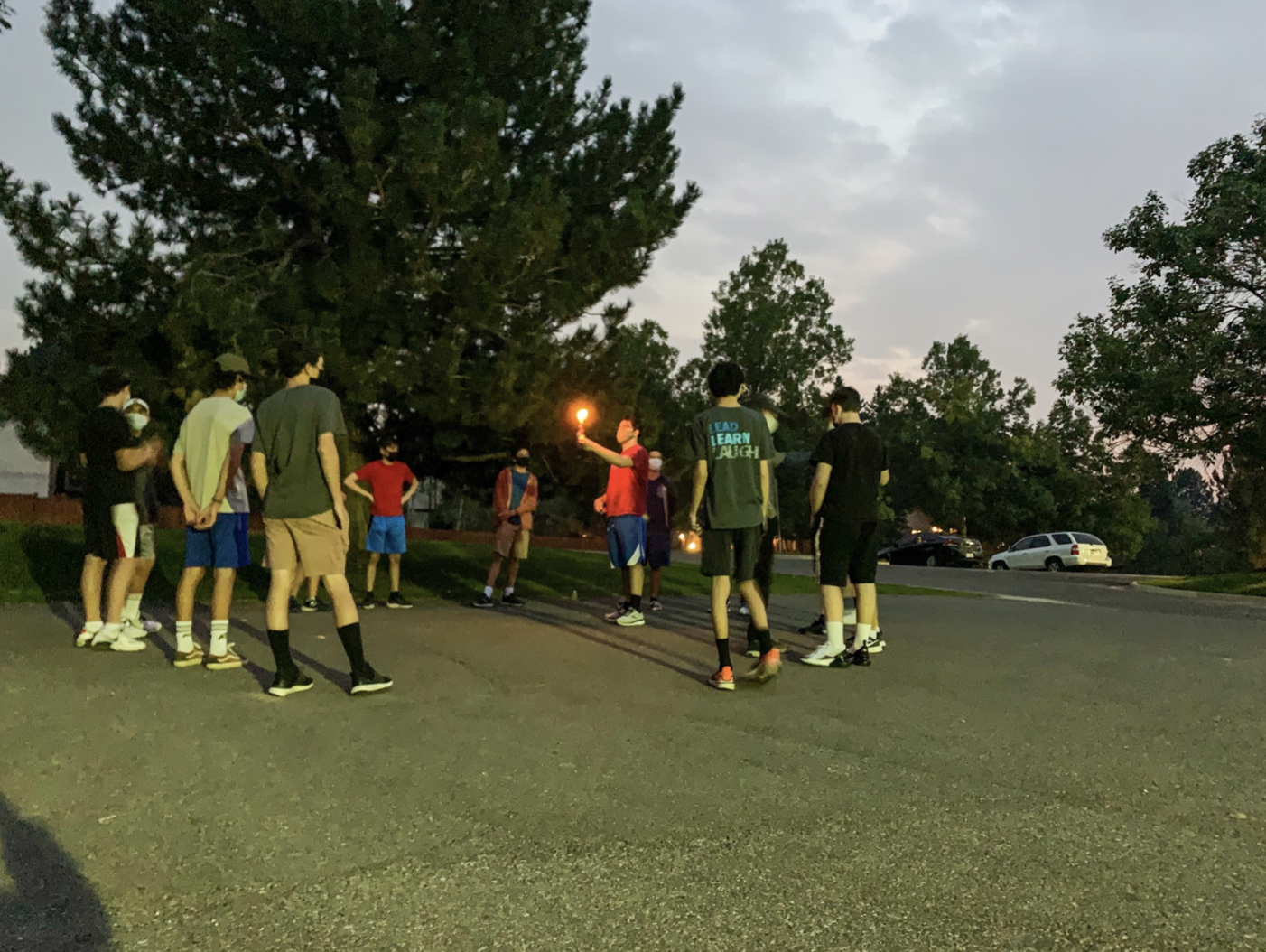
This week's Parsha, Parshat Yitro we read about the ten commandments that were given to the Israelites. Previously, when asked about receiving the Torah, the Israelites proclaimed, “Na’aseh V'nishma,” “All G-d commands, we shall do and we shall hear.” Why were the Israelites so quick to agree to blindly follow rules they had not yet received? On one hand, maybe they were scared of the sheer power of G-d. On the other hand, were they not afraid of being asked to do something wrong? Despite the power of the plagues, the Israelites recognized they were done to liberate them from slavery.
This raises an important question about Judaism as a whole; We are taught to question Jewish history, law, and procedures. However, in our covenant with G-d, we declare that we will do whatever G-d asks of us.
For many of us, our daily routines do not include a strict adherence to Halachic practices. However, that does not mean that we should intentionally ignore or violate Mitzvot, rather we should strive to incorporate as many Judaic values and principles into our daily lives as we can. For example, the fourth commandment is about keeping Shabbat. Some of us keep shabbat traditionally, by not using phones or electricity, and choosing to focus on ourselves and our spiritual growth. Others may use the Shabbos as a day of rest, healing our bodies, talking to grandparents and other extended family members, focusing on mental health, and reflecting on the past week. Yet, there are others whose Shabbat is not spent differently from the rest of the week.
An interesting way to look at the ten commandments is to interpret them in the way that works for you. Although, we are not condoning murder, robbery, or adultery, some commandments truly do leave room for interpretation and adjustment, while others, as moral imperatives, leave much less room for modification and personal variance.
This Shabbat, we read about the Mitzvah of Shabbat. Perhaps we can reimagine what our Shabbat could look like, with different ways to make Shabbat more meaningful.
Here are 10 ways you can celebrate Shabbat:
- Make shabbat dinner with your family
- Zoom call with family you cannot see (after Havdalah if you choose)
- Meet with a friend outdoors and chat
- Practice meditation
- Read a book
- Journal
- Practice praying, and attend a service if possible
- Make a set of goals for the next week
- Play a board game with your family
- Think about what you’re grateful for
We hope you all have a restful Shabbat and can find a way to incorporate at least one of these ideas into your weekly traditions.
Shabbat Shalom,
Ellie Perlmutter and Manny Adelstein
RMR Shlichim
All views expressed on content written for The Shofar represent the opinions and thoughts of the individual authors. The author biography represents the author at the time in which they were in BBYO.
Explore More Stories
Identity

Taking The Risk
A personal reflection on what it means to risk starting over in order to feel safe and proud being Jewish.
Identity

The Importance of Traditions
From pancakes to paperclips, traditions build connections and friendships.

Opinion

Seatbelt Stories
Giving rides to underclassmen in BBYO, and in general, hits different. Why?