- Get Involved
- BBYO Near You
- Summer Experiences
-
International Convention
International Convention
-
AZA & BBG Movement
AZA & BBG Movement
- About BBYO
Connection
NRE Toldot: The Power of Family
In this week's Torah portion, Parshat Toldot, we are introduced to twin brothers Jacob and Esau. Throughout the Parsha, we witness the rocky relationship the brothers seem to share. More specifically, some might even describe the nature of this family as dysfunctional. Although unfortunate, their relationship seems to follow the pattern as other siblings, as the first book of the Torah, Sefer Bereishit (Genesis) is full of family members who struggle to get along. As we look at the sibling relationships throughout the book, we see countless cautionary tales of sibling discord. First, we read of Cain and Abel. In this tale, Cain kills Abel because Abel’s sacrifice was accepted while his own was not. Next, we read the story of Ishmael and Isaac. Sarah, Isaac’s mother bans Ishmael from the house because of the terrible influence he was having on her own son, Isaac. Even Jacob’s own children experience sibling disharmony as Joseph is sold into slavery by his jealous brothers. Sadly, it is not until the book of Exodus where we are introduced to Moses and Aaron. Here we finally encounter a harmonious and meaningful relationship between brothers. Those two brothers were the first to support each other and celebrate each other’s successes.
Why does the Torah highlight the many dysfunctional sibling relationships in the book of Genesis? What is the message of this dysfunction?
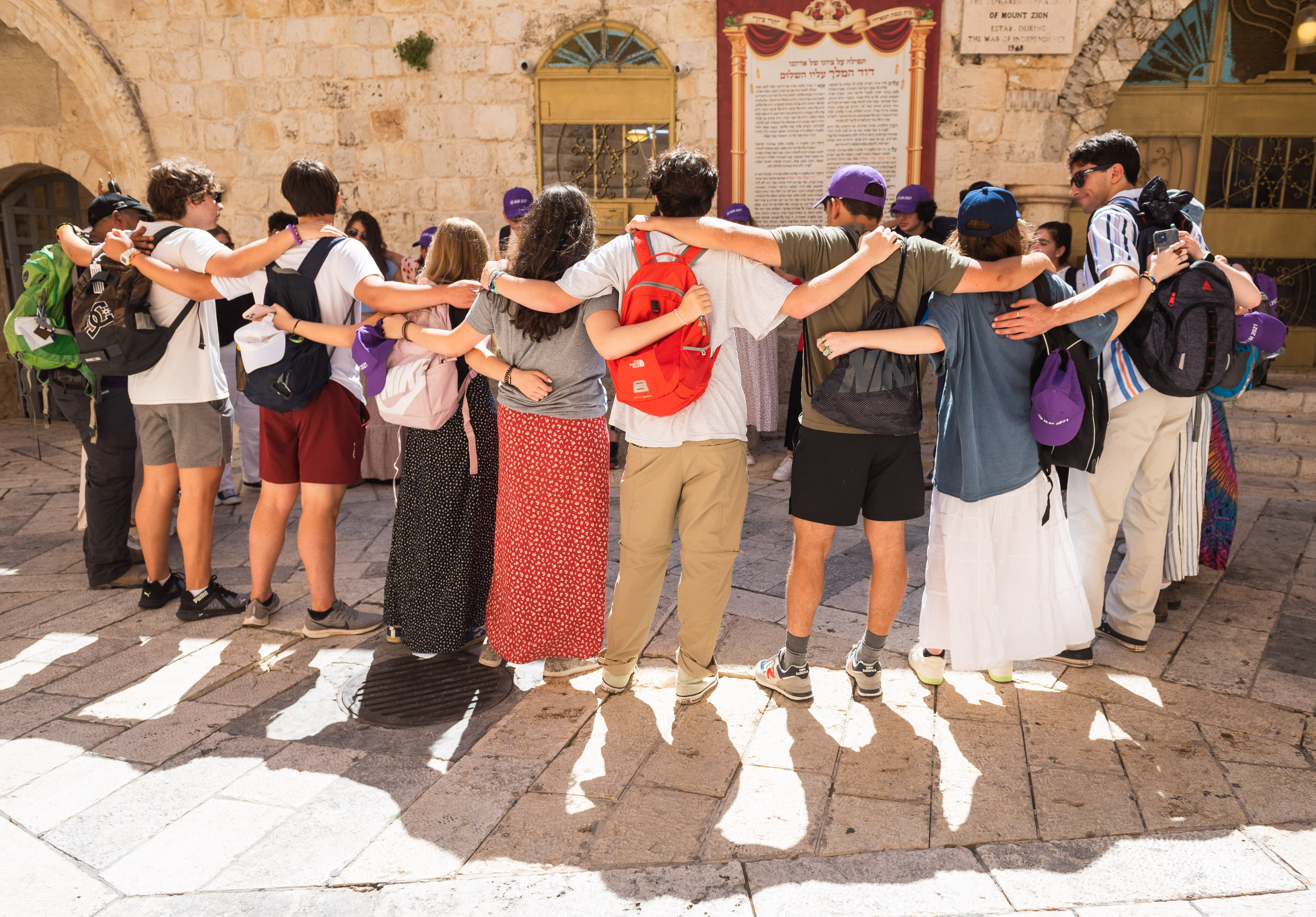
While the families of Genesis, our progenitors, are far from perfect, their stories teach us lessons about unconditional love. Even if we disagree and argue with our families and even when we experience jealousy and discord, family is still family. We are still connected and responsible for each other.
The Jewish community is a family. We may all struggle with our faith at times, and as young people, feel disconnected from this religion that is thousands of years old. However, at the end of the day we must always recognize that the Jewish community is here to protect and care for us. In turn we must do our part and strive to protect and care for our Jewish community. For just as it loves us, we must love it.
Let us not forget the value of family and ensure that our mutual love is unconditional and unbreakable.
Shabbat Shalom, Lauren Frank and Lily Hudson
All views expressed on content written for The Shofar represent the opinions and thoughts of the individual authors. The author biography represents the author at the time in which they were in BBYO.
Explore More Stories
Connection
Carrying the Limp Forward: Lessons on Strength and Resilience from Parashat Vayishlach
Inspired by Jacob’s midnight wrestle in the Torah and by hearing Rachel Goldberg-Polin and Jon Polin speak, this article is all about what it really means to keep pushing forward after hard times instead of pretending everything is ok, even with a limp.
Opinion

¿Qué Pasaría Si BBYO no Existiera? Por Qué Giving BBYO Day Importa Más de lo Que Creés
¿Alguna vez imaginaste cómo sería tu vida si nunca hubieras conocido BBYO? Detrás de cada donación durante Giving BBYO Day hay mucho más que plata en juego.

Rewind

Walking Into Something New Can Be Scary
Walking into something new can be scary, but sometimes the best memories come from taking that first step.