- Get Involved
- BBYO Near You
- Summer Experiences
-
International Convention
International Convention
-
AZA & BBG Movement
AZA & BBG Movement
- About BBYO
Connection
Parshat Pekudei: Finding G-d in Our Everyday Lives

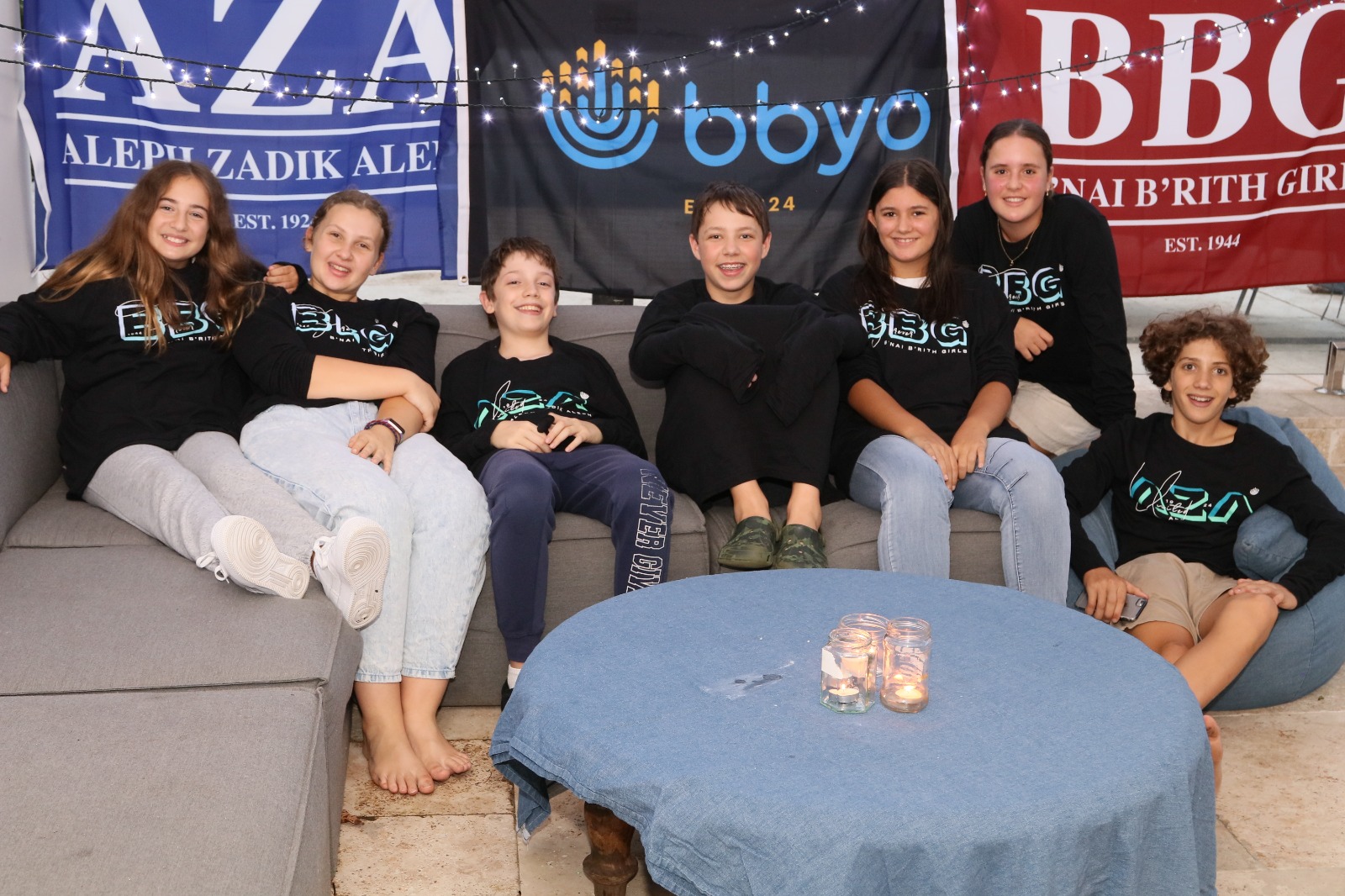
This week’s Parsha Pekudei, completes the story of how the Israelites went about fulfilling G-d’s command to build the Mishkan and concludes the Book of Exodus. Among other details, we are taught about the building materials that the children of Israel donated to the construction of the Mishkan, and the priestly garments, including the ephod (apron), me’il (robe), and tzitz (crown). Then, in the penultimate chapter of the Book of Exodus, the construction of the Mishkan is complete. It held text emphasizing that the children of Israel follow the instructions that G-d had commanded Moses, leading to Moses blessing them. At this point, everyone is banned from entering the Mishkan, except for the Kohen Gadol - and that is only on Yom Kippur. Finally, we learn about clouds and fire, which are signals of G-ds presence. With the Mishkan complete, the children of Israel were ready to move towards their promised land, however, they did not leave the base of Sinai for quite some time.
Many scholars compare the creation of the Mishkan to the creation of the world. This is because the creation of the universe was G-d’s miracle and the creation of a structure to house the divine is man’s miracle. The essence of the story is that human beings can create a home for G-d in their everyday life, through thought, speech, or action. G-d says, “Build me a sanctuary so that I may dwell among you” and although this is referring to a physical building, the sanctuary is around all of us, all the time. I hope everyone starts to recognise G -d’s presence in their everyday lives.
Shabbat Shalom,
Ruby Borer, BBYO Australia
All views expressed on content written for The Shofar represent the opinions and thoughts of the individual authors. The author biography represents the author at the time in which they were in BBYO.
Explore More Stories
Identity
Taking The Risk
A personal reflection on what it means to risk starting over in order to feel safe and proud being Jewish.
Identity
The Importance of Traditions
From pancakes to paperclips, traditions build connections and friendships.

Opinion

Seatbelt Stories
Giving rides to underclassmen in BBYO, and in general, hits different. Why?