- Get Involved
- BBYO Near You
- Summer Experiences
-
International Convention
International Convention
-
AZA & BBG Movement
AZA & BBG Movement
- About BBYO
Connection
Parshat Chayei Sarah: Celebrating Life

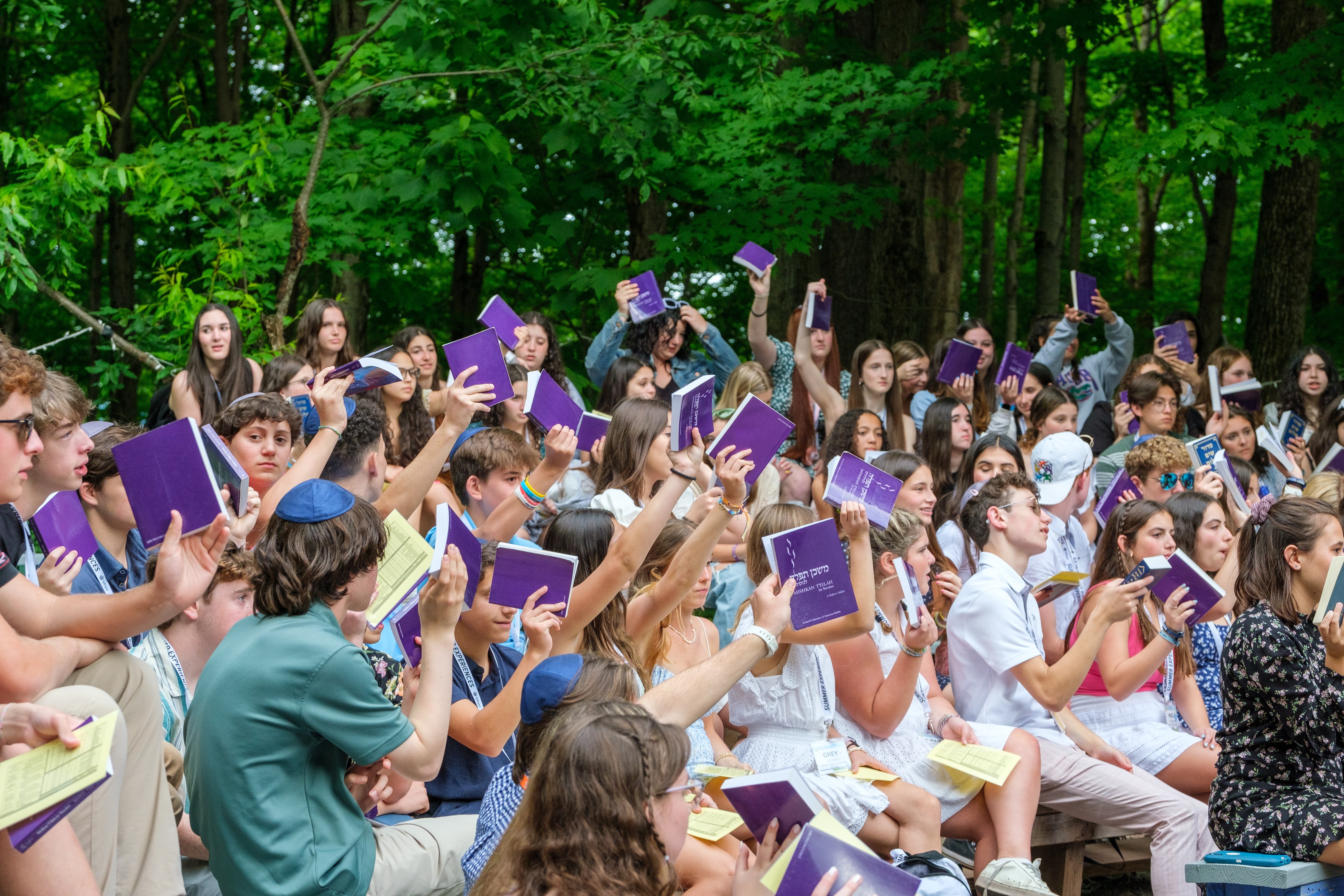
This week’s parsha, Parshat Chayei Sarah, opens with Sarah’s death and burial by Abraham in the Machpelah cave in Hebron.
Abraham and Isaac are both devastated over the loss of their wife and mother, respectively. Yet Abraham understands that they must continue their lives. He decides that is time for Isaac to be married. So, he sends a servant to find a wife for Isaac. The servant, Eliezer, devises a test to find a righteous and appropriate woman. He rests at a well and decides that he will ask the women he sees for water, and the first woman who offers his camels water as well will be Isaac’s wife.
Rebecca is the first woman to appear at the well and immediately offers water to both Eliezer and his camels. Eliezer stares at Rebecca in wonder, amazed and in awe that Rebecca had arrived and promptly passed his test.
Rebecca returns to Canaan with Eliezer, where Isaac immediately falls in love with her and is at last comforted over the loss of his mother. At the end of the parsha, Abraham dies at the ripe age of 175 and is buried beside Sarah by his two eldest sons, Isaac and Ishmael.
But, wait. This parsha is Chayei Sarah, translating to the life of Sarah. Yet Sarah dies almost immediately into the text. So why is this parsha not called the death of Sarah, or an alternatively fitting title?
Although Sarah dies early in the parsha, her presence remains felt. Isaac grieves the loss of his mother, not comforted until Rebecca arrives. Sarah’s life is preserved in that of Isaac.
A common adage is that everyone has two deaths. First physically, and again the last time that someone says their name. Sarah is the matriarch of Judaism. We say her name every single day, in our prayers and in our texts. We refuse to let her die a second death, instead choosing to celebrate her life, just as the title of this parsha does.
Celebrating life extends past the parsha and into our everyday lives. When presented with an unfortunate situation, we all have a decision to make. What do we focus on? Do we let the negative pull us down? Or do we focus on the positive, accepting what we cannot change and beautifying what we can?
Chayei Sarah teaches us to focus on the good, emphasizing that life and joy exist even where we least expect it.
Shabbat Shalom,
CVR Shlicha, Sophie Citron
All views expressed on content written for The Shofar represent the opinions and thoughts of the individual authors. The author biography represents the author at the time in which they were in BBYO.
Explore More Stories
Identity

Taking The Risk
A personal reflection on what it means to risk starting over in order to feel safe and proud being Jewish.
Identity

The Importance of Traditions
From pancakes to paperclips, traditions build connections and friendships.

Opinion

Seatbelt Stories
Giving rides to underclassmen in BBYO, and in general, hits different. Why?