- Get Involved
- BBYO Near You
- Summer Experiences
-
International Convention
International Convention
-
AZA & BBG Movement
AZA & BBG Movement
- About BBYO
Connection
Parashat Ki Tisa: The Test of Faith and the Future of a Nation

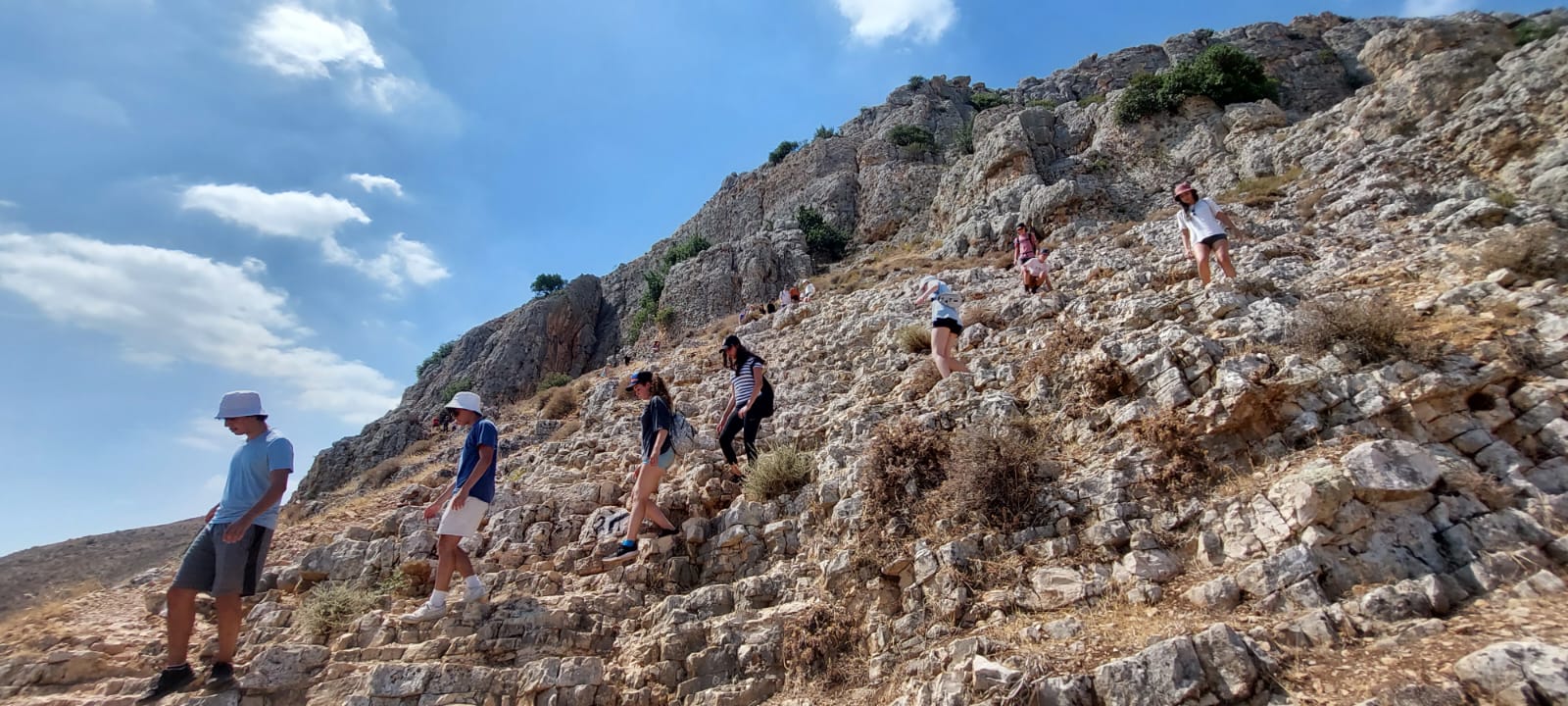
This parsha is an iconic one, one that most of us remember. It is the moment when Moses comes down from Mount Sinai to find, not a people ready to receive the Ten Commandments, but a lost people, praying to a false deity. I remember when I was little, being struck by this particular story. How is it possible that a people who just lived through a literal miracle question G-d? How can it be that these people, my people, who had just had their faith proven to them in front of their very eyes, turn on it so fast?
Moses went up to Mount Sinai for forty days straight. Forty days. A little less than what is now the counting of the Omer. And that was long enough for our people to abandon their faith. So the logical question becomes, how long would it take us to abandon our beliefs or our hope?
Recently, I have been watching the television show “Lost”, which I highly recommend. Without spoiling the show, I will say it is about a group of people who get stranded on an island and are there for quite a while. At the beginning of the show, most of the characters believe that a search team will find them soon, but as time goes by the characters start losing hope, one by one, and adjusting to living on the island. Interestingly, by and large, the younger more inexperienced characters are the ones who hold out hope the longest, while the older ones who have experienced more hardship in their lives lose hope more quickly.
Later this year we will reach Parashat Shelach, about the twelve spies. Another iconic parsha. In it, we will read the following verse:
“Your children will wander in the desert for 40 years, and will bear your guilt until the last of your corpses has fallen in the desert.”
- Numbers 14:33
In this case, when the verse mentions guilt, it refers to the spies who lied to the people of Israel, however, let us remember that this is the same generation of the golden calf. Just like in Lost, it is the older generation, the generation that lived through hardship, slavery, and a hopeless existence in Egypt who abandoned hope. This is the generation of a false deity that mimicked Egyptian idols. That is what I took away from this parsha. A generation grounded in the past, in hardship, in their oppressor's paradigm, has no courage in their convictions and no certainty in their beliefs. That is not the generation that will lead us forward. The next generation, a generation that does not remember oppression, one raised in freedom and with purely Jewish values, is that generation that will build the future. It is that generation that will lead us into tomorrow.
With that, I hope you all had an excellent Purim, Shabbat Shalom, and Shavua Tov in advance. Am Israel Chai.
Samuel Judah Mishkin, Regional President of BBYO Uruguay
All views expressed on content written for The Shofar represent the opinions and thoughts of the individual authors. The author biography represents the author at the time in which they were in BBYO.
Explore More Stories
Identity

Taking The Risk
A personal reflection on what it means to risk starting over in order to feel safe and proud being Jewish.
Identity

The Importance of Traditions
From pancakes to paperclips, traditions build connections and friendships.

Opinion

Seatbelt Stories
Giving rides to underclassmen in BBYO, and in general, hits different. Why?