- Get Involved
- BBYO Near You
- Summer Experiences
-
International Convention
International Convention
-
AZA & BBG Movement
AZA & BBG Movement
- About BBYO
Identity
Parashat Emor: Speaking Holiness Into the World


“Emor el haKohanim — Speak to the priests.”
This parasha begins with a single word that sets the tone: Emor — “Speak.” But not just any speech. It’s a command to speak with care, with purpose, with intention.
In Parashat Emor, we are introduced to the laws that govern the lives of the Kohanim, the priests — those tasked with carrying holiness on their shoulders. They are given limits: how to mourn, whom to marry, when to step back from ritual. These laws feel strict, but they come from a place of sacred responsibility.
At first glance, Emor seems distant — ancient rules for ancient roles. But look deeper, and it’s actually about how we speak, how we live, and how we carry the sacred in our everyday lives.
There’s a quiet tension in this parasha — between the public and the personal, between duty and feeling, between perfection and humanity.
The Kohanim are expected to show up perfectly — clean, whole, holy. But what about when they’re grieving? What about when they’re broken?
Emor doesn’t erase that pain — it acknowledges it and builds a framework around it. It says: Yes, you’re hurting. And you still hold holiness inside you. Here’s how to carry both.
And isn’t that what being a teen often feels like? We’re expected to lead, to inspire, to be the older sibling, the good student, the perfect Jew. But we also have our own battles — quiet griefs, stress, self-doubt, confusion about who we are and who we’re becoming.
Emor whispers to us: There is space for both.
Holiness is not just a title — it’s in how we speak to others. How we treat our pain. How we take breaks when we need to. How we show up for others while still honoring our own limits.
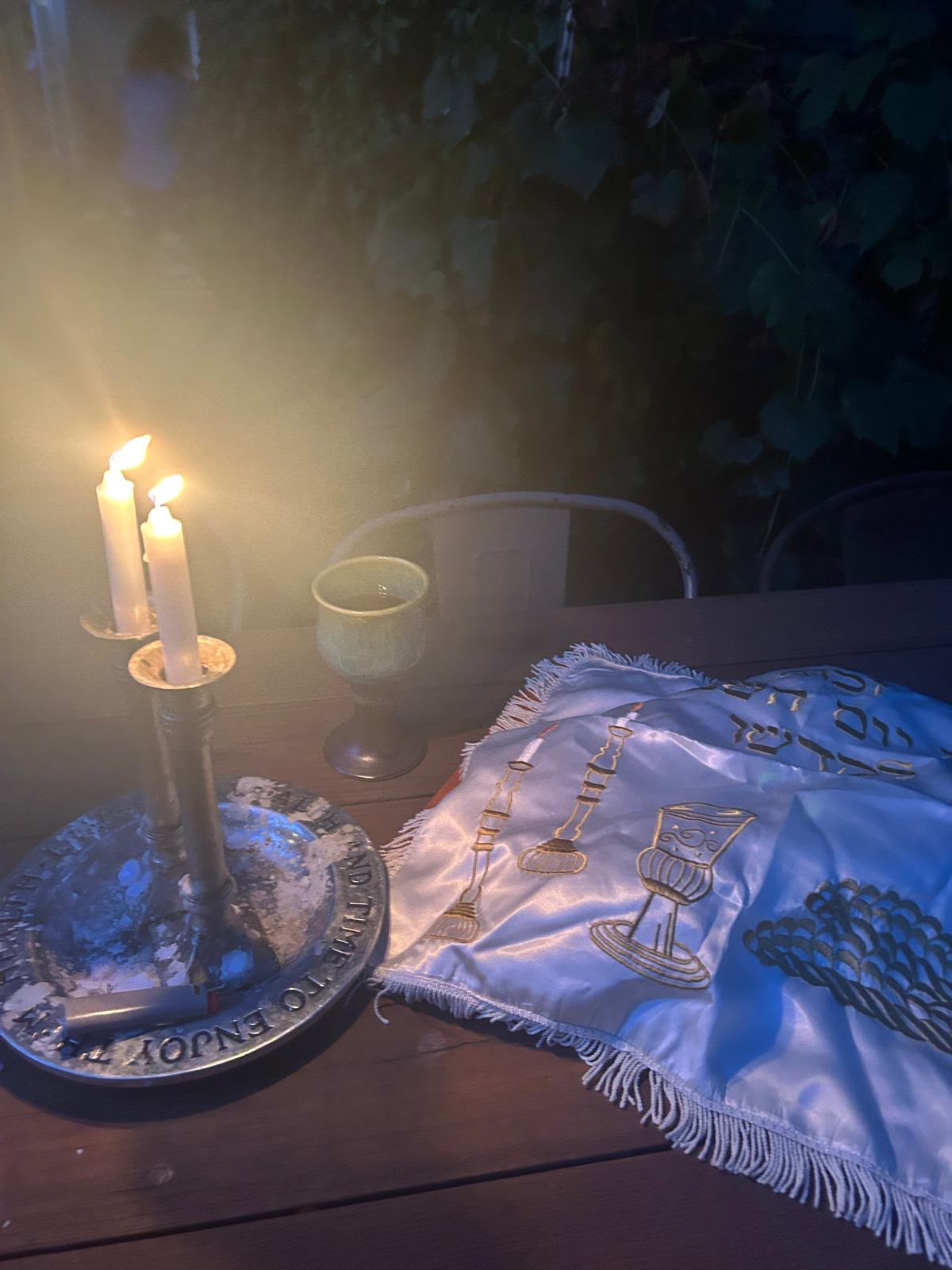
Later in the parasha, we’re reminded of the sacredness of time. Shabbat. The festivals. The rhythm of the Jewish calendar. It’s as if the Torah is saying: Even when the world feels chaotic, you can create moments of sanctity. Pause. Breathe. Light candles. Eat together. Speak words that heal.
Emor means “speak,” but not in the loud, performative way. It’s the kind of speaking that requires listening first. Listening to your body. Your boundaries. Your soul. And then, when you’re ready, using your voice to uplift others.
So this Shabbat, I ask you:
- What are the words I need to speak — to myself or to others?
- Where can I create a boundary that feels holy, not limiting?
- How can I honor my responsibility to my community without forgetting to nurture my own spirit?
May we learn to carry our sacred responsibilities gently, speak with intention, and live with a holiness that doesn’t hide our humanity — but embraces it.
Shabbat Shalom BBYO,
Maya Shahar
BBYO Spain
All views expressed on content written for The Shofar represent the opinions and thoughts of the individual authors. The author biography represents the author at the time in which they were in BBYO.
Explore More Stories
Identity

Taking The Risk
A personal reflection on what it means to risk starting over in order to feel safe and proud being Jewish.

Identity

The Importance of Traditions
From pancakes to paperclips, traditions build connections and friendships.

Opinion

Seatbelt Stories
Giving rides to underclassmen in BBYO, and in general, hits different. Why?