- Get Involved
- BBYO Near You
- Summer Experiences
-
International Convention
International Convention
-
AZA & BBG Movement
AZA & BBG Movement
- About BBYO
Opinion
Parashat Ki Tavo: Giving With Intention

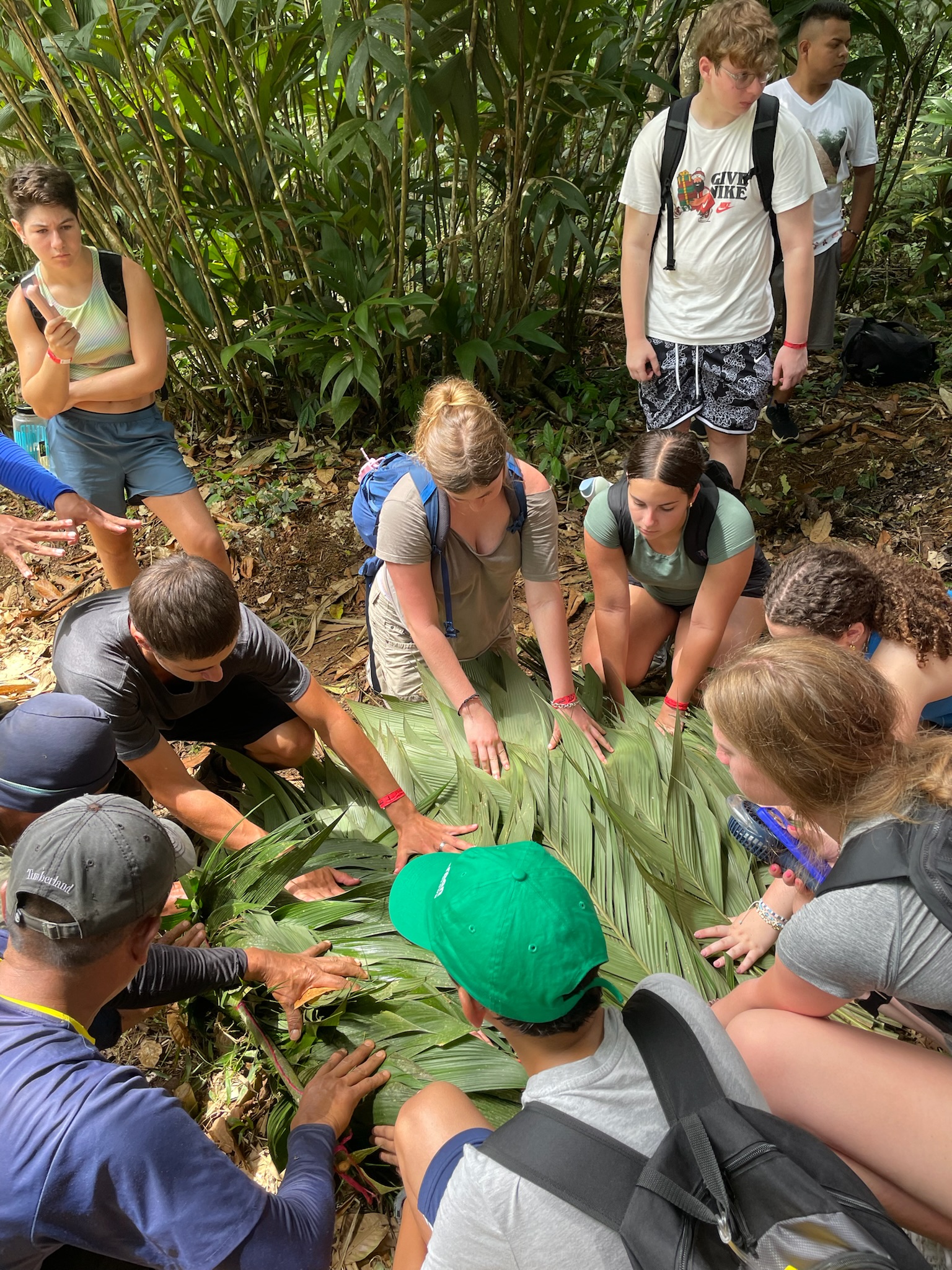
Community service is not supposed to be about us. But too often, we make it about ourselves anyway.
This week’s parsha, Ki Tavo, depicts how farmers were obligated to bring their first fruits to the Temple and give away part of their crops to those less fortunate. At first glance this appears to be an ancient agricultural law. But at the core, it is the groundwork for how a community should come together.
Giving to others does not take away from what we have. Instead, it allows us to grow stronger. However, Ki Tavo teaches that it is not just about what we give but also about how we give. The farmers had to bring their first fruits, not their leftovers. Their act of kindness was meaningful because it was honest and intentional. That applies to us as well. Disappointingly, community service is done for the wrong reasons too often—for credit, for a résumé, to make it seem like we care. That is not real service. That is self-promotion.
Service is about showing up with purpose regardless of whether the work is difficult or unglamorous. It is about knowing that it helps someone else and not expecting to receive anything back. While we may not always feel passionate about the act of service itself, that does not limit us from doing it passionately.
Ki Tavo reminds us that service is a responsibility. When we give with purpose, we build a community that is stronger, kinder, and more connected.
Shabbat Shalom BBYO,
Rafaela Rimoch
BBYO Mexico
All views expressed on content written for The Shofar represent the opinions and thoughts of the individual authors. The author biography represents the author at the time in which they were in BBYO.
Explore More Stories
Identity

Taking The Risk
A personal reflection on what it means to risk starting over in order to feel safe and proud being Jewish.
Identity

The Importance of Traditions
From pancakes to paperclips, traditions build connections and friendships.

Opinion

Seatbelt Stories
Giving rides to underclassmen in BBYO, and in general, hits different. Why?