- Get Involved
- BBYO Near You
- Summer Experiences
-
International Convention
International Convention
-
AZA & BBG Movement
AZA & BBG Movement
- About BBYO
Opinion
Labeling Law in Argentina: Is it Effective?

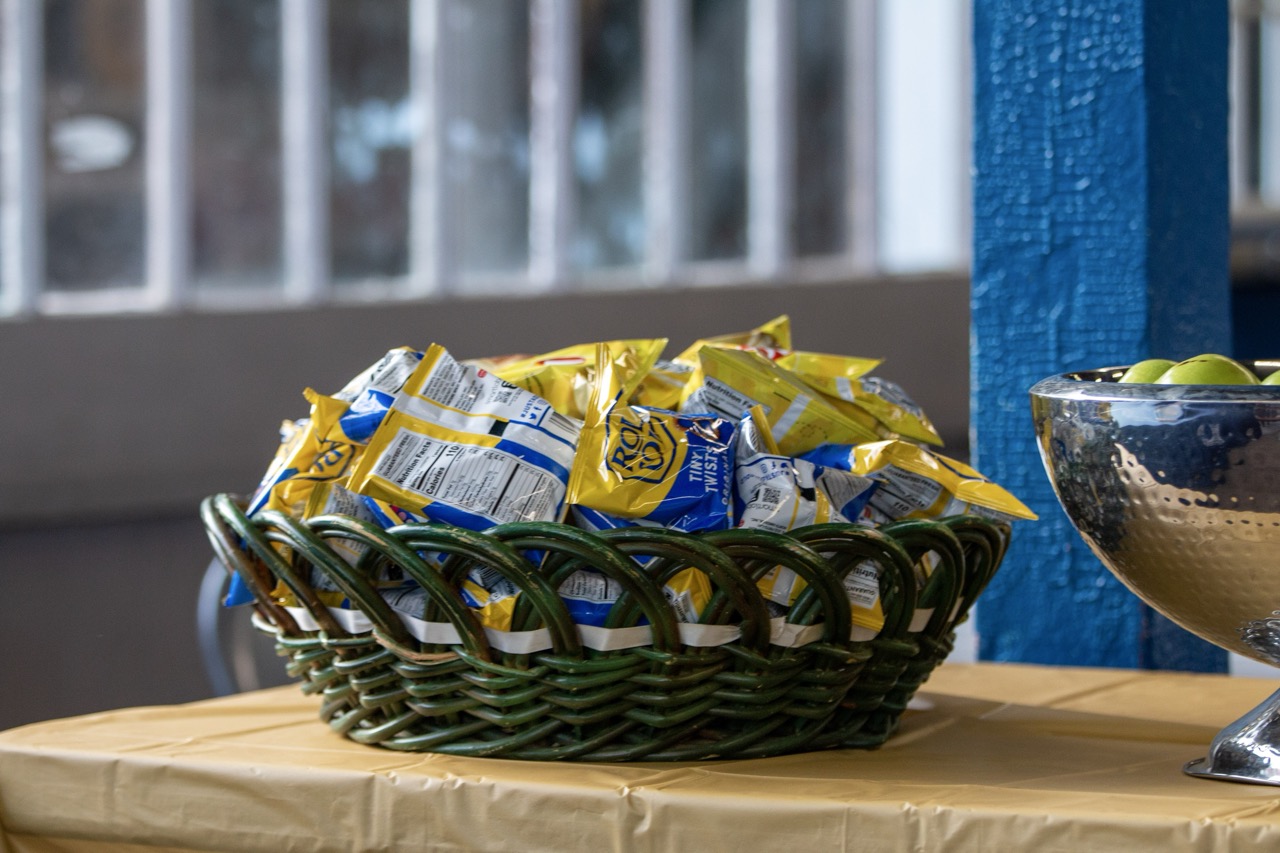
On October 26th, the Argentine National Congress approved a law called the labeling law, which establishes that different products will have a black octagon on them, alerting the consumer if there is an excessive amount of sugar, calories, sodium, etc. in the item. Reading this, you probably assume that it is a great idea to tell the people what they are eating and whether it is healthy or not. However, I have some food for thought…
Many people that are in favor of this law agree that it will tell us “what we are eating”. Even though they are technically right, since 2006 there has been a law that obliges the companies to display the number of calories, sodium, proteins, vitamins, and fat the food has. Analyzing this, we can agree that it is more helpful to educate people to understand what they are eating instead of intimidating them by implying “what you are eating isn’t healthy, it’ll ruin your life”.
Imagine that you are going to the supermarket and you want to buy a really tasty dessert. You are thinking about a delicious ice cream covered with chocolate but when you grab it you see an octagon that warns: “High sugar content.” Will you buy it or not? Obviously yes! That useless sticker won’t stop you! You’ll likely want to eat it despite the fact that it contains sugar; after all, that’s what makes it so delicious. Here, we can see that this law won’t be able to prevent many customers from buying something that is not healthy; therefore, it wouldn’t fulfill its intended purpose.
Additionally, this law gives a bad image to the companies that produce those products. If they don’t want to have something that says “don’t buy me” on their packaging, they’ll have to change the composition of the food to avoid the labeling law. Consequently, there will be two significant impacts: people will stop consuming things they previously enjoyed because it is no longer produced the same way and, in turn, companies will suffer financial losses.
This rule started somewhat recently, so we are still awaiting notable changes in our daily life to evaluate whether it is useful or not. Stay tuned as we will see what happens over the coming months!
All views expressed on content written for The Shofar represent the opinions and thoughts of the individual authors. The author biography represents the author at the time in which they were in BBYO.
Explore More Stories

Connection

Carrying the Limp Forward: Lessons on Strength and Resilience from Parashat Vayishlach
Inspired by Jacob’s midnight wrestle in the Torah and by hearing Rachel Goldberg-Polin and Jon Polin speak, this article is all about what it really means to keep pushing forward after hard times instead of pretending everything is ok, even with a limp.

Opinion

¿Qué Pasaría Si BBYO no Existiera? Por Qué Giving BBYO Day Importa Más de lo Que Creés
¿Alguna vez imaginaste cómo sería tu vida si nunca hubieras conocido BBYO? Detrás de cada donación durante Giving BBYO Day hay mucho más que plata en juego.

Rewind

Walking Into Something New Can Be Scary
Walking into something new can be scary, but sometimes the best memories come from taking that first step.