- Get Involved
- BBYO Near You
- Summer Experiences
-
International Convention
International Convention
-
AZA & BBG Movement
AZA & BBG Movement
- About BBYO
Opinion
What it Means to be Israeli
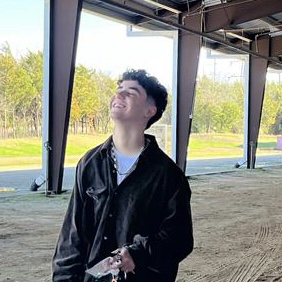
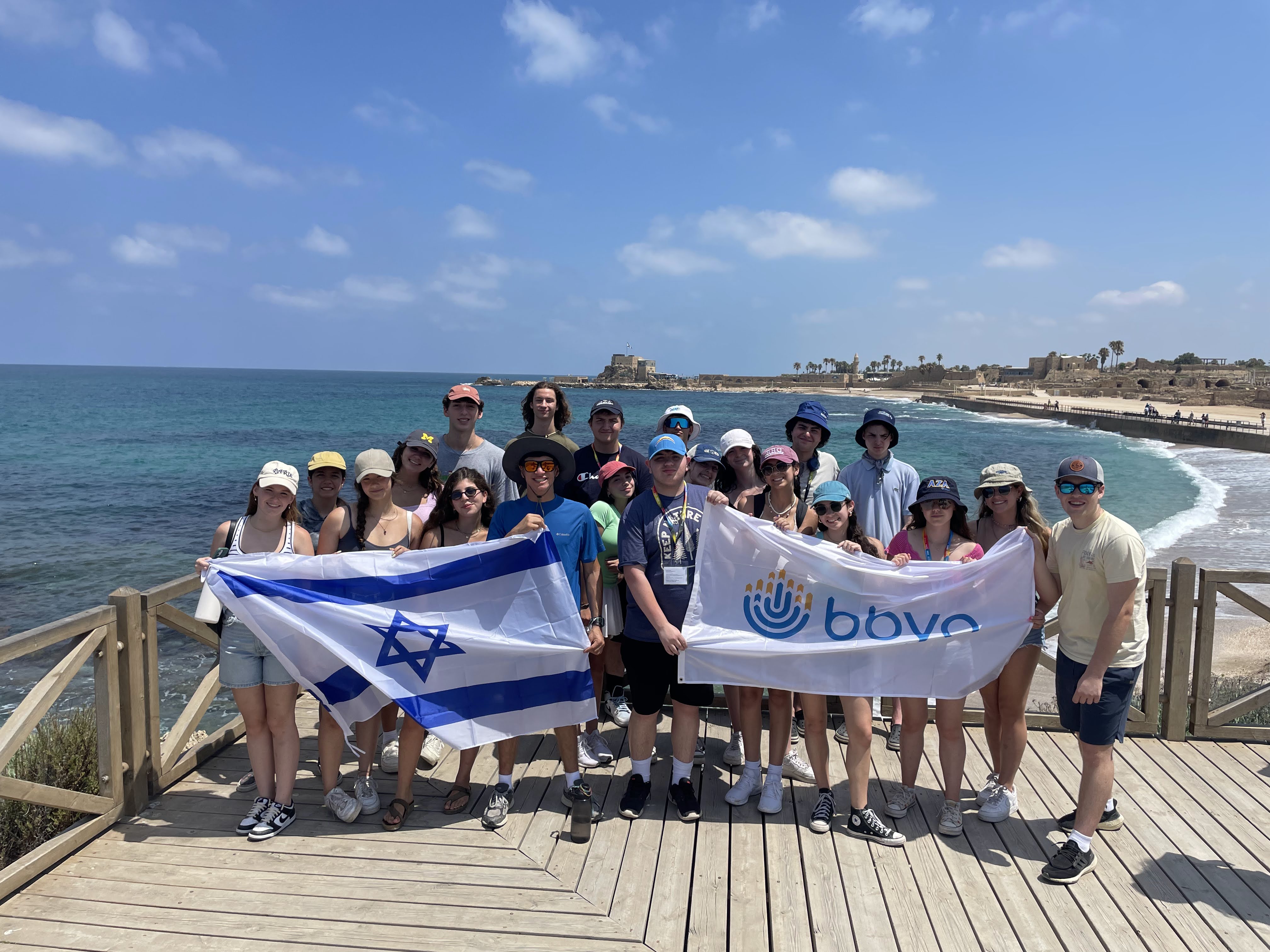
My name is Eliya Liam Hajjaj. I'm from Beersheva, Israel, and I'm 15 years old. I'm here to talk to you about my experiences as a teenager living in Israel.
One of my first memories is of me, frozen in place at home when I heard the alarm, called the Azaka in Hebrew. My brother then grabbed me and carried me to the mamad, a protected area that is present in most Israeli houses.
A metal and concrete-constructed room known as a mamad can withstand rocket attacks.
After I experienced it for the first few times, I began to experience a sudden fear whenever I heard a sound similar to the sound of the Azaka.
And I am not alone in having this fear. The majority of my friends have that trait and I am certain that there are many others.
In Israel, we have a day by the name of “Memorial day for Israel's fallen." This day honors all the military personnel who have been killed while on duty, including troops who ranged in age from 18 to 23 and young children who had just concluded their last day of school when they were killed by terrorists. On the same day, we also remember the residents who were killed in terrorist assaults carried out by individuals who awoke with the intention of murdering Jews.
Three operations were in the progress when I first began to consider what I would start writing here. Over 3,000 rockets were used in all three of them, there were countless terrorist strikes, the Jews are being killed in the country's peripheries simply for being Jews, and there is anti-Semitism on public networks and slander. This ought to provide you some insight into what is happening in Israel, but it won't fully explain everything.
The stress brought on by terrorist attacks and alarms, the knowledge that the majority of the world despises you because of where you live, and the knowledge that this is the country of your people means that no matter what, you and your people will not give up. This is ultimately the condition of the Jewish people following the several operations.
The country that provides protection to a people who have endured persecution, pogroms, genocide, expulsion from their nation and from other countries, as well as other tragedies that only serve to demonstrate why we as a people have a right to live in this country. I live here, and I do so with pride.
All views expressed on content written for The Shofar represent the opinions and thoughts of the individual authors. The author biography represents the author at the time in which they were in BBYO.
Explore More Stories
Connection

Carrying the Limp Forward: Lessons on Strength and Resilience from Parashat Vayishlach
Inspired by Jacob’s midnight wrestle in the Torah and by hearing Rachel Goldberg-Polin and Jon Polin speak, this article is all about what it really means to keep pushing forward after hard times instead of pretending everything is ok, even with a limp.
Opinion

¿Qué Pasaría Si BBYO no Existiera? Por Qué Giving BBYO Day Importa Más de lo Que Creés
¿Alguna vez imaginaste cómo sería tu vida si nunca hubieras conocido BBYO? Detrás de cada donación durante Giving BBYO Day hay mucho más que plata en juego.

Rewind

Walking Into Something New Can Be Scary
Walking into something new can be scary, but sometimes the best memories come from taking that first step.