- Get Involved
- BBYO Near You
- Summer Experiences
-
International Convention
International Convention
-
AZA & BBG Movement
AZA & BBG Movement
- About BBYO
Connection
Sports and Judaism: A Unique Mix


If you grew up Jewish, then you most likely have the common experience of your parents pushing you to play as many different sports as you could and then ultimately deciding on one sport that you enjoy more than any of the other ones. This sport was never football. Your mom would never let you play football. While this experience of choosing a sport growing up and sticking with it, the sports that we chose to stick with are uniquely Jewish. Jewish culture in sports is deep-rooted, based on our history of immigration, community culture, and the need to have a common ground with family members.
When Jews began to immigrate into the United States, sports were one of the first things that were picked up, as something encouraged by the new immigrants as a way to assimilate to American culture. When Jewish migrants came to America from 1890 to 1920, there were two main sports that they focused on: baseball, America’s past-time, and a new sport that was becoming popular in urban areas, basketball. Jews, in fact, dominated basketball during the ’30s and ’40s as part of the first-generation immigrants in New York and other large cities, and it was known as “Jew Ball” among most of the population. Immigration, in a large sense, contributed to the popularity of these two sports as these sports blossomed in the Jewish community due to their easy ability to be played in large cities, especially New York City, where much of the Jewish immigrant population was originally located. Immigration was a large part of the roots of Jewish culture, but to explore what those roots grew into, we need to explore the impact that sport has on our community.
Although originally playing sports was opposed by many of the elders in the Jewish-immigrant community (the grandfather studies the Torah, the father the business section, the son the sports page), sports quickly began expanding into something that the Jewish culture could rally behind. That comes to mind most vividly in the example of Sandy Koufax. Koufax was a practicing Jew and also maybe the best pitcher of all time. Nicknamed “the Left Arm of God,” Koufax dominated Major League Baseball for twelve seasons until he retired (alas, even the best of us still can’t escape arthritis), but he was even better known for his decision not to pitch in Game 1 of the 1965 World Series, due to it falling on Yom Kippur. This, along with pitching one of 24 perfect games in history, made Koufax an icon in the American Jewish community. People rallied around him and looked up to him as a beaming example of the American Jew, a man who had reached the pinnacle of achievements, playing professional sports, but was still humble enough to respect his ancestors and celebrate the most important day on the Jewish calendar.
If sports have done nothing else for Jewish people, they certainly have created something for us to rally behind as families and communities. Whether you support your local team (Beardown), or the team your grandparents force you to support, this support of teams creates a beautiful dynamic whenever you see your uncle on your Jewish side. Your first thought is not to talk to him about your family, how he's doing, or any other thing, but rather to ask him how he thinks the 76ers are doing (apparently James Harden was even worse than Ben Simmons) and how he thinks the Eagles will do. This common interaction and combination of Judaism and sports is not something unique to American Jews, but it has been something that helps us not only stay in shape and have fun but also connect with our family and bridge generational gaps. Mixing Judaism with sports has created one of the greatest combinations of culture and religion that you just have to experience for yourself, maybe with a game or two of Ultimate Soap.
All views expressed on content written for The Shofar represent the opinions and thoughts of the individual authors. The author biography represents the author at the time in which they were in BBYO.
Explore More Stories
Connection

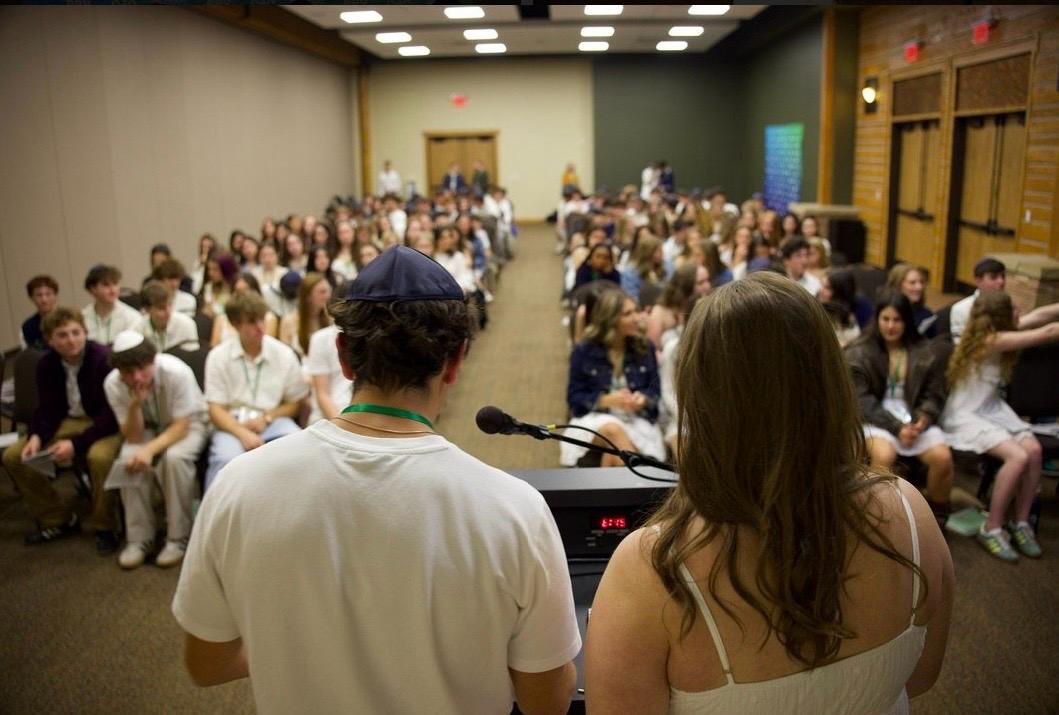
Carrying the Limp Forward: Lessons on Strength and Resilience from Parashat Vayishlach
Inspired by Jacob’s midnight wrestle in the Torah and by hearing Rachel Goldberg-Polin and Jon Polin speak, this article is all about what it really means to keep pushing forward after hard times instead of pretending everything is ok, even with a limp.
Opinion

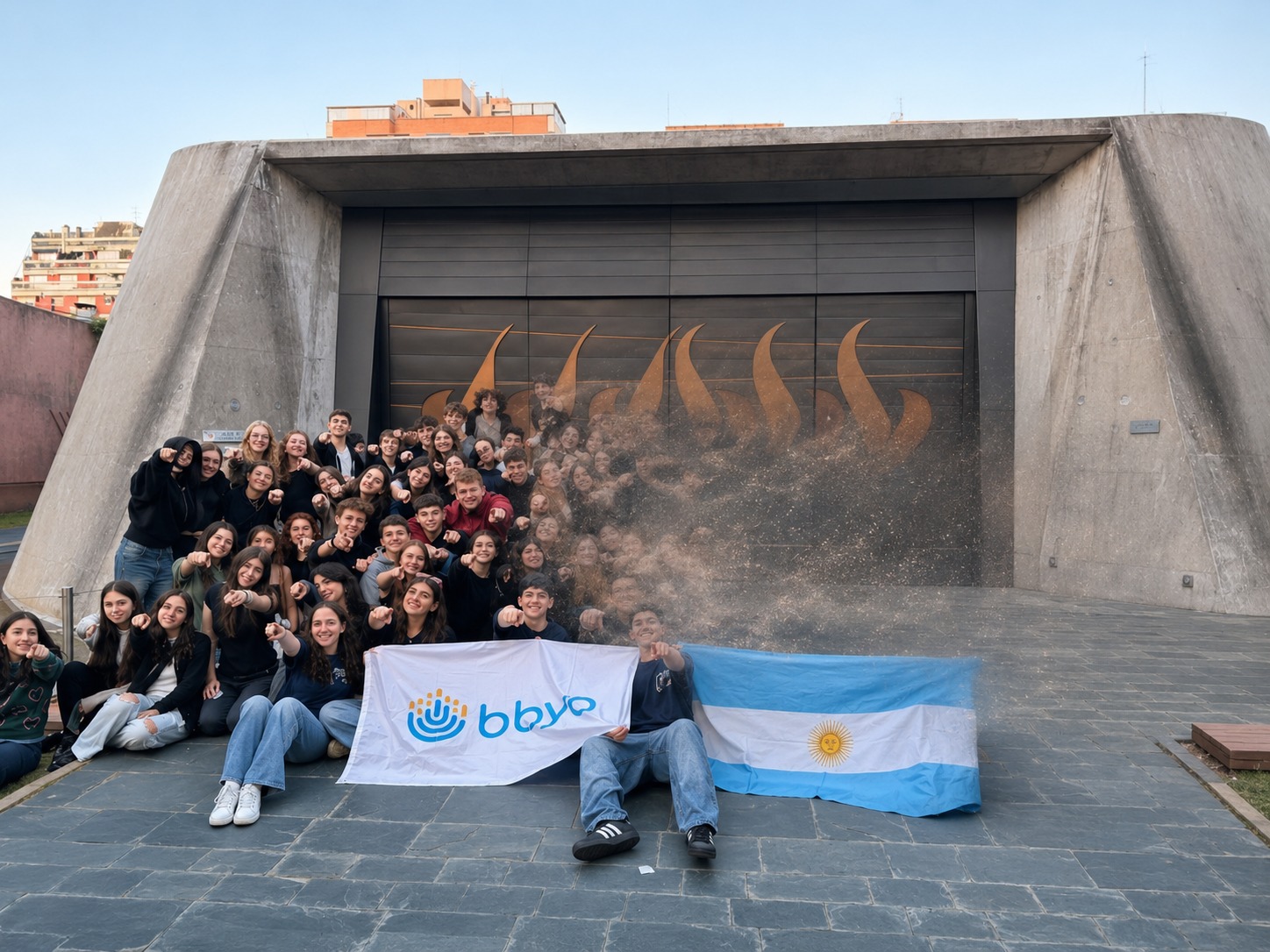
¿Qué Pasaría Si BBYO no Existiera? Por Qué Giving BBYO Day Importa Más de lo Que Creés
¿Alguna vez imaginaste cómo sería tu vida si nunca hubieras conocido BBYO? Detrás de cada donación durante Giving BBYO Day hay mucho más que plata en juego.

Rewind

Walking Into Something New Can Be Scary
Walking into something new can be scary, but sometimes the best memories come from taking that first step.