- Get Involved
- BBYO Near You
- Summer Experiences
-
International Convention
International Convention
-
AZA & BBG Movement
AZA & BBG Movement
- About BBYO
Identity
Finally Myself
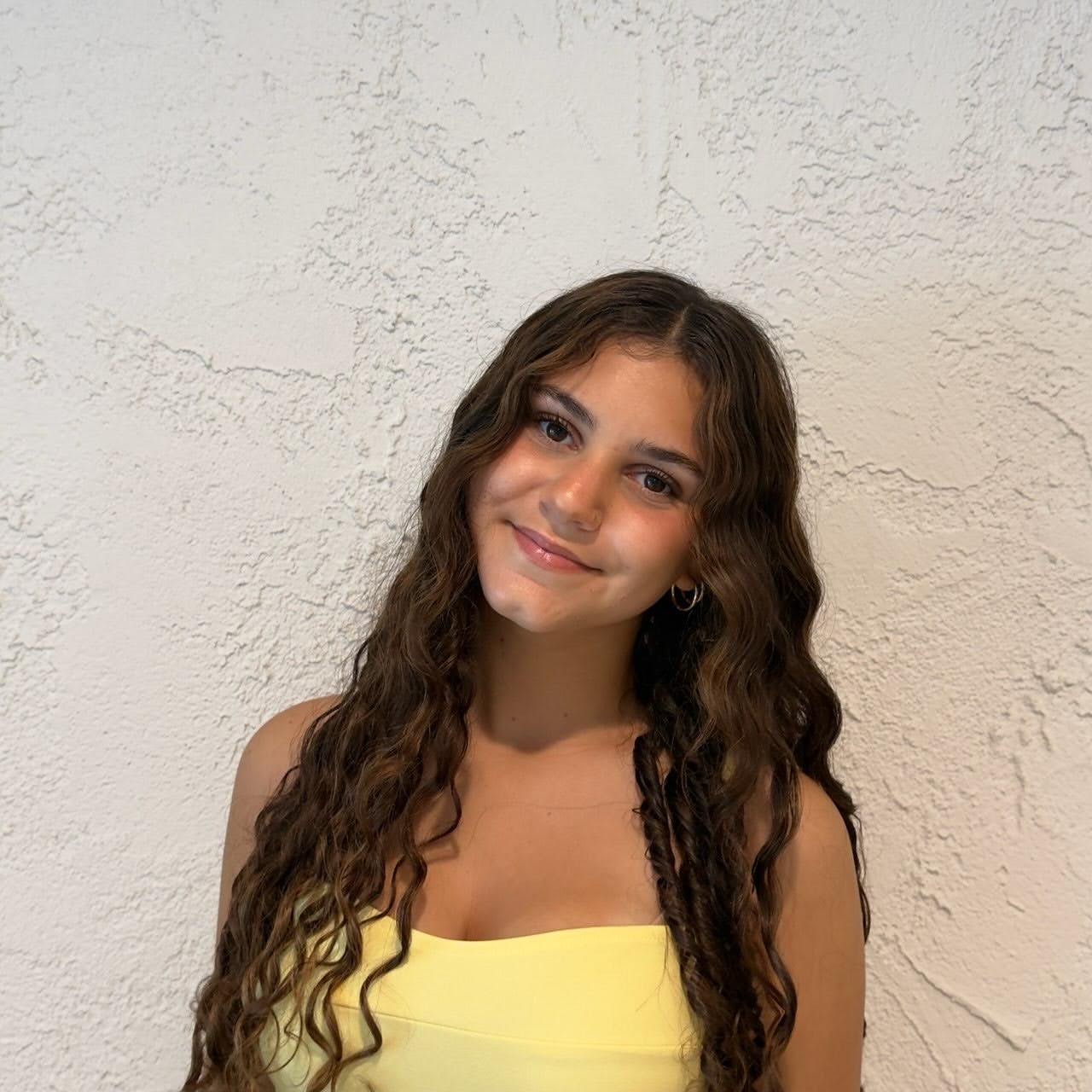
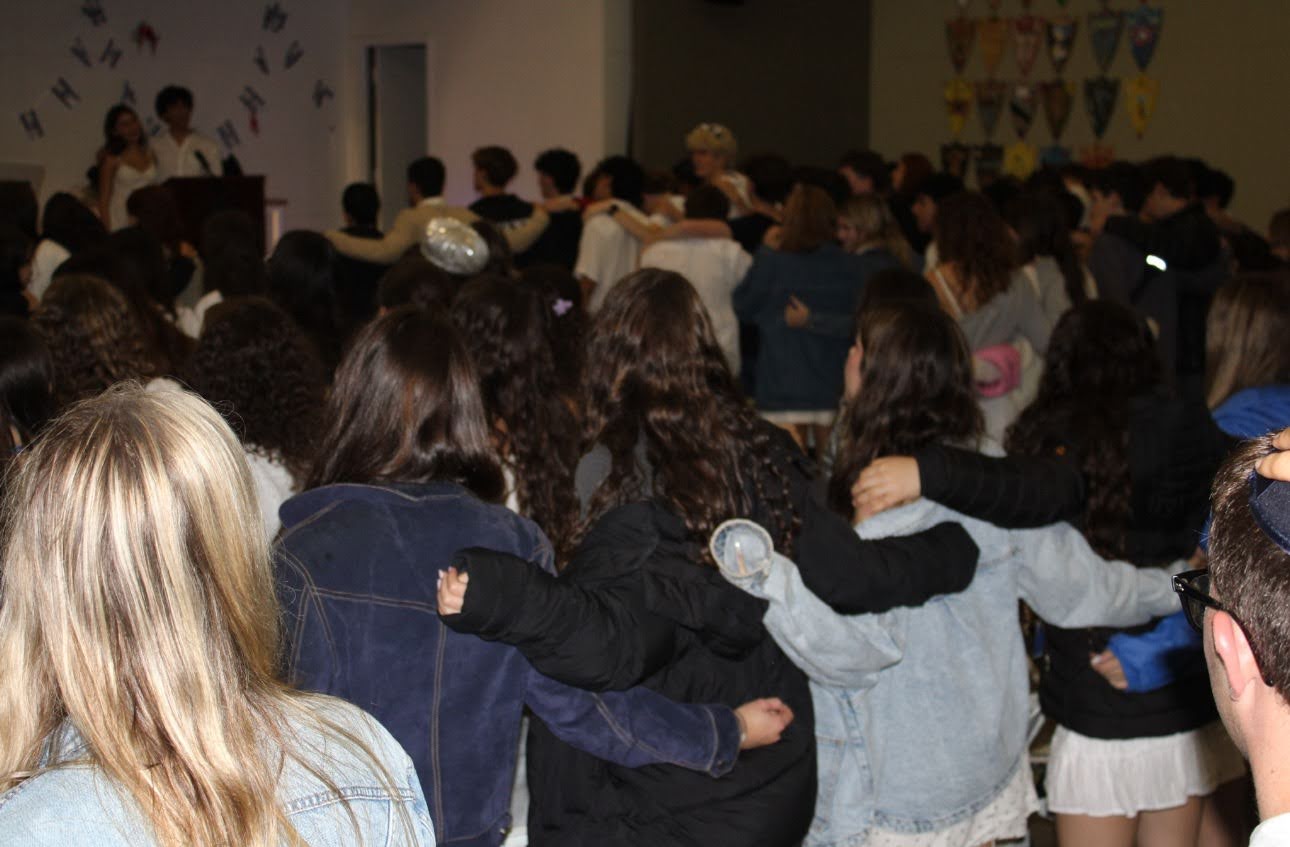
“Can you remember who you were before the world told you who you should be?” A quote by Charles Bukowski.
As soon as I was born, my mom would only speak to me in Hebrew, leading to my first word being ”אמא” (ima). My parents then sent my brother and me to a private Jewish school 45 minutes from our house. He was there for over six years, while I was only there for three. Growing up, Judaism was a part of my everyday life. I spent Friday nights having Shabbat dinners with friends and family, learned about Judaism in school, went to Israel every year, and celebrated every Jewish holiday surrounded by my community. Being Jewish felt so normal because almost everyone around me shared the same traditions and values. We followed many of the same practices, and I never had to explain why I did certain things or celebrated certain holidays. Everyone around me understood my Judaism because they were Jewish too. At the time, I didn’t realize how unique it was to grow up in an environment where my Jewish identity was so naturally understood and accepted.
Then, as I was entering kindergarten and my brother was entering 5th grade, my parents didn’t have the time to drive us to school there and back every day, so they put us both in public school only a few minutes away from our house. I was in school with kids of so many religions that Judaism was rarely talked about. I enjoyed being at my school, with all my new friends, from a ton of different backgrounds. For the first couple of years at my new school, I continued to be consistent with my religion. By the time I reached third grade, I barely had any Jewish friends, and all my friends would celebrate Christmas and Easter, while I would celebrate Rosh Hashanah, Yom Kippur, Hanukkah, Yom Ha'atzmaut, etc. I was so confused about why I didn’t celebrate the same holidays as the rest of the kids at my school. It eventually got to a point where being Jewish made me feel excluded from things: I couldn't eat the food people gave out because it wasn’t kosher, I couldn’t hang out with my friends on the free day school gave us for Yom Kippur, I couldn’t hang out Friday nights because of Shabbat, and I wasn't able to hang out on Sundays because of Jewish Sunday school. These little things slowly made me feel like an outsider. I wanted to feel “normal” like everyone else, so I stopped going to Sunday school, told my parents to take me out of all my Hebrew lessons, and told my mom to only speak to me in English.
Then when I got to middle school, it only got worse. In seventh grade, the war in Israel began on October 7th, 2023. My entire mom's side of the family lives in Israel, so the war wasn't just something I was seeing on the news. It was something that directly affected my family. But I also realized that we weren't just worried about our family in Israel. We were also beginning to worry about our own safety here in America. As the war went on, I began seeing more and more hatred toward Israel and Jewish people, especially on social media. It felt like everywhere I looked, there was someone saying something hateful about a country that was such a big part of who I was. My mom became scared that simply being Jewish or Israeli could make us a target. She started telling us not to speak Hebrew in public, to hide our Star of David necklaces, and to be careful about who we told we were Jewish. Things that had once been such normal parts of my everyday life suddenly became things I felt I needed to hide.
What hurt the most was realizing that I had spent so much of my childhood trying to fit in by hiding parts of my Jewish identity, and now I was hiding them for an entirely different reason. Before, I was afraid of being different. Now, I was afraid of what could happen to me because I was different.
As I approached high school, I noticed something was missing, not only in my heart but in my soul. When my brother was in high school, he was involved in a Jewish youth organization called BBYO, which my father had also been a part of when he was younger. Growing up, I had always known about BBYO, but I never realized how much of an impact it could have on my own life.
I went to my first meeting near the end of September of my freshman year. As I walked in, I remember feeling so overwhelmed. I didn’t think I would fit in because everyone already had their friends and already knew each other. I had already created this narrative that I wasn’t going to enjoy BBYO, so there was absolutely no point in trying to like it. But I was so wrong. After 2 minutes, so many girls were coming up to me and talking to me like they had known me my entire life. About a week later, I signed up for my first regional convention. There, I witnessed teens from all across the area I grew up in come together and form meaningful connections through one thing we all shared: our Judaism. After this convention, I not only felt a sense of belonging but also a sense of peace, as I had finally found myself and a place where I didn’t have to hide who I was for people to like me.
Now, I feel confident speaking up against hatred toward my people and standing proudly in who I am and where I come from. BBYO has truly transformed the way I view my Jewish identity. It has taught me to embrace my Judaism as a meaningful part of who I am and to recognize the strength and pride that come with being part of such a rich community. I no longer feel the need to hide parts of myself to fit in. Instead, I have learned to celebrate my identity and use my voice to stand up for what I believe in. I am beyond grateful to be part of such a strong, welcoming, and accepting organization that has given me a place to grow, connect, and discover the importance of being unapologetically myself.
All views expressed on content written for The Shofar represent the opinions and thoughts of the individual authors. The author biography represents the author at the time in which they were in BBYO.
Explore More Stories

Opinion
Public Schools Should Not Assign Work on High Holidays
Across the globe, public schools assign work, assignments, and tests on days when many Jewish kids cannot attend, leaving many Jewish students to fall behind near the beginning of the year.
Rewind

How Fasting During Perlman Changed My Perspective on Life
After fasting, I realized I needed to be more grateful for all of the blessings in my life.
Identity
Finally Myself
From hiding my Jewish identity to embracing it with pride, this is my journey of finding belonging, rediscovering who I am, and learning to be unapologetically myself.