- Get Involved
- BBYO Near You
- Summer Experiences
-
International Convention
International Convention
-
AZA & BBG Movement
AZA & BBG Movement
- About BBYO
Opinion
Public Schools Should Not Assign Work on High Holidays

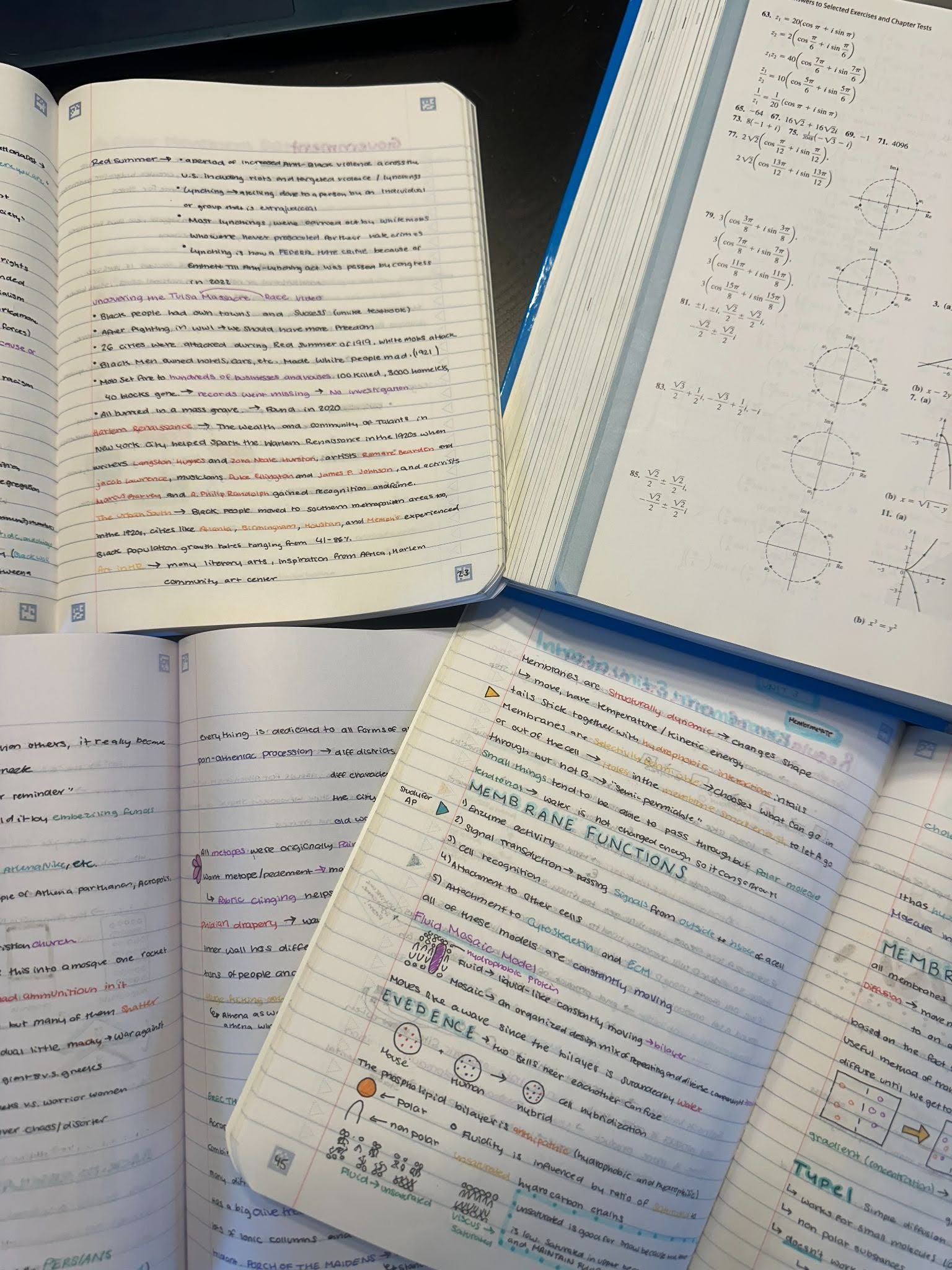
“The Unit Two test will be on September 21st”
These were the words that I dreaded from my math teacher. A test worth 10 percent of my semester grade falling on the holiest day of the Jewish year: Yom Kippur.
Every year, Jewish students and other groups of religious minorities from across the globe are faced with a difficult decision: go to school to ensure that no crucial academic work is missed or not attend school to observe sacred religious traditions with family. For some, the decision is easy, but for others, it is immensely more difficult, creating a heavy mental burden on students already dealing with the stress of school as a whole.
Many school holidays are centered around the predominant religion of that country. For me in the United States, that is Christianity. Sure, we have fall, winter, and spring recesses, but those breaks are still built around the ecclesiastical calendar – fall break for Thanksgiving, winter for Christmas, and spring for Easter. Lots of schools assign no work over these breaks so that students can enjoy holidays with their families, and even if they do assign work over these religious observances, the breaks are long enough that students can complete work on other days that they are not actively observing a holiday. On the other hand, homework assignments, tests, quizzes, and other academic activities are assigned over other religions’ holidays without assignment extensions. This creates a non-inclusive environment for students of non-predominant religions. It can make students feel like their holidays are seen as less important, can add to the feeling of “other,” and that their own culture is not being valued. When a student tells their teacher that they will not be in class on the day of a test due to religious observance, the school typically offers a standard solution: a make-up test. Not only is this inconvenient for students, but it does not address the root of the problem. Students are being unfairly handicapped for sticking to their own traditions and not being a part of the predominant religion of the school and country.
I ultimately chose to go to synagogue on Yom Kippur instead of taking my math test. Observing the holiday with my family and friends is important to me, but I still had to take the test the next day after school. After spending 26 hours fasting the day before, I was not in the best place physically or mentally to take a grade-determining test. This experience has taught me how to advocate for myself, how to write to my teachers, and carve out time to do the make-up work. But should we really have to do all of this when we are missing school for a religious observance? Some of the lectures missed on the day are irreplaceable. Some assignments were due the following day with no extensions granted. Being penalized for celebrating a Jewish holiday does not feel like diversity is celebrated, but rather punished. True inclusion would allow students to celebrate their cultural traditions and heritage without the repercussions from missing school. Though trying to solve complex algebraic equations while running on empty was not preferable, I was just one of thousands of students around the world who were facing the same problem.
There has to be a better solution.
Instead of having to jump through hoops in order to make up work and assignments on some of the holiest days of the year, school administrations should meet with students of different religions to identify their most valued holidays in order to prevent important academic content from being missed by a large demographic. This calendar of holidays could be shared with teachers to help them be more aware of when many students will be absent and plan assignments accordingly.
Education is more than just what happens in the classroom. The experiences and values that students get from the varied cultures that they bring to the classroom help to widen our understanding of ourselves and each other. Missing school on the high holidays is hard, but keeping up tradition and spending time with my family makes it all worth it.
All views expressed on content written for The Shofar represent the opinions and thoughts of the individual authors. The author biography represents the author at the time in which they were in BBYO.
Explore More Stories
Opinion
Public Schools Should Not Assign Work on High Holidays
Across the globe, public schools assign work, assignments, and tests on days when many Jewish kids cannot attend, leaving many Jewish students to fall behind near the beginning of the year.

Rewind

How Fasting During Perlman Changed My Perspective on Life
After fasting, I realized I needed to be more grateful for all of the blessings in my life.
Identity

Finally Myself
From hiding my Jewish identity to embracing it with pride, this is my journey of finding belonging, rediscovering who I am, and learning to be unapologetically myself.