- Get Involved
- BBYO Near You
- Summer Experiences
-
International Convention
International Convention
-
AZA & BBG Movement
AZA & BBG Movement
- About BBYO
Identity
Never Again?

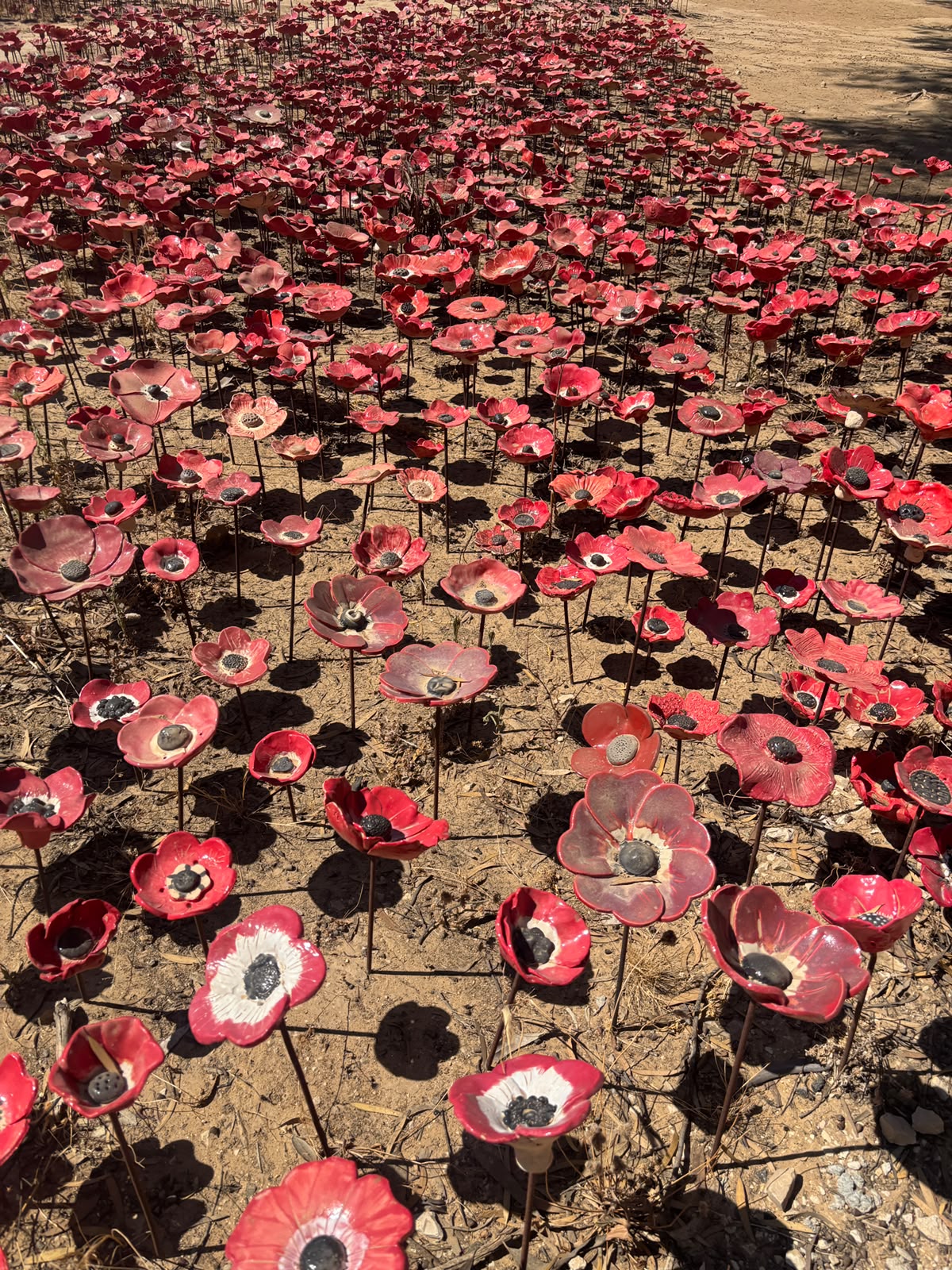
In Judaism, we often use the phrase “Never Again” to express a commitment that we should never allow anything resembling the Holocaust to happen again.
This March, I attended the ADL’s Never Is Now conference. There, we were given a space to reflect on what this phrase means after October 7.
October 7 was not the Holocaust. It was not comparable in scale, nor was it an attempt to systematically murder the Jewish population of an entire continent. But it forced many Jews, including myself, to confront a question that I had always understood as historical: What does “Never Again” actually mean when Jews once again experience mass murder, kidnapping, displacement, and fear because they are Jewish?
The consequences did not end on October 7. Antisemitism around the world surged, with Jewish communities experiencing harassment, threats, vandalism, violence, and discrimination. For many Jews, the aftermath created an uncomfortable sense that the lessons we believed the world had learned from the Holocaust were not as permanent as we had hoped.
This past July, I had the opportunity to attend BBYO’s International Leadership Seminar in Israel (ILSI). There, we explored the conflict and its repercussions for Israeli society. We heard from survivors and witnesses of October 7, politicians, educators, and Israelis whose lives had been affected by the conflict in completely different ways. We listened to people with different political perspectives and different relationships to the conflict. Most importantly, we were encouraged to listen before forming conclusions.
That experience made me think about how difficult it is to understand a conflict from thousands of miles away. I was fortunate enough to experience some of these conversations firsthand, but many people around the world have never been to Israel. Many have never spoken to an Israeli, a Palestinian, a hostage’s family member, or anyone whose daily life has been directly shaped by this conflict. Yet millions of people have formed strong opinions about it.
For years, we have repeated the words “Never Again.” Not only Jews, but people around the world, have used the phrase as a universal promise: that genocide, hatred, and persecution should never again be allowed to become normalized.
Yet after October 7, the world seemed to split almost immediately into competing narratives. While Jewish communities were mourning those murdered and demanding the return of the hostages, protests around the world quickly centered on “Free Palestine,” sometimes before the victims of October 7 had even been properly acknowledged. At the same time, Palestinians were experiencing devastating loss and suffering in Gaza, raising equally urgent questions about civilian life, displacement, and human rights.
This is where the phrase “Never Again” becomes complicated.
If “Never Again” means anything, it cannot apply only when the victims fit neatly into the narrative we already believe. It cannot mean that we remember the Holocaust once a year, condemn antisemitism in theory, and then become silent when Jews once again feel threatened. But it also cannot become a phrase that prevents us from recognizing the suffering of others.
Perhaps “Never Again” should not mean never again to one particular group. Perhaps it should mean never again to the idea that some lives are worth less than others.
So when is “Never Again” actually never?
And if we continue to use the phrase, are we willing to give it the weight it deserves?
Because words only have meaning when we are willing to act on them. “Never Again” should not be a slogan we repeat because we have been taught to. It should be a standard to which we hold ourselves, our communities, and the world, especially when doing so is uncomfortable.
All views expressed on content written for The Shofar represent the opinions and thoughts of the individual authors. The author biography represents the author at the time in which they were in BBYO.
Explore More Stories
Opinion

Scrolling Through Stereotypes: Fueling Antisemitism in the Digital Age
This op-ed emphasizes the importance of verifying sources, questioning false claims, and speaking out against the prejudice that fuels the rise of antisemitism.
Opinion

If Not Us, Then Who?
The upcoming Israeli elections are among the most tense in recent history. But what are they really about, and why should we care?

Opinion

For Every Jewish Teen?
Can we truly say that we are for every Jewish teen when there are still barriers that prevent so many teens from joining?