- Get Involved
- BBYO Near You
- Summer Experiences
-
International Convention
International Convention
-
AZA & BBG Movement
AZA & BBG Movement
- About BBYO
Opinion
Scrolling Through Stereotypes: Fueling Antisemitism in the Digital Age

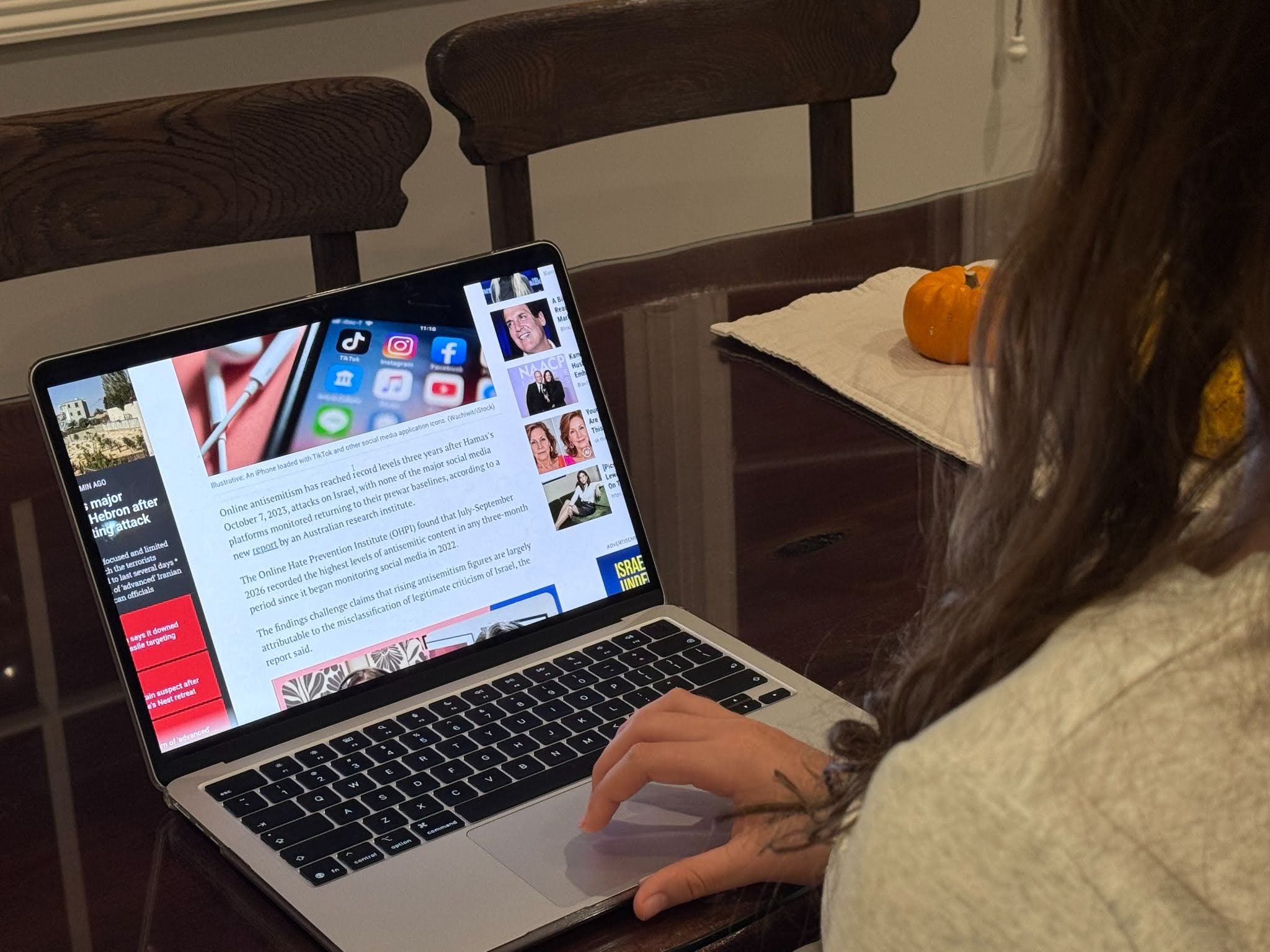
Every day, millions of people open social media and encounter breaking news, political arguments, and videos claiming to reveal the truth. False information quickly spreads, and in an age when anyone can publish content online, distinguishing fact from fiction is essential.
Misinformation shapes how people understand the world, influences opinions, and turns unfounded claims into widely accepted beliefs. People often accept information that confirms their existing biases without questioning its accuracy. When these claims spread, they distort public understanding and encourage people to judge entire communities based on misleading narratives. Taking responsibility for what we believe starts with questioning our sources, examining evidence, and separating facts from assumptions.
As antisemitism continues to rise, verifying information becomes even more urgent. The Times of Israel reports that antisemitic content reached record levels between July and September 2026. Researchers identified conspiracy theories about Jewish power and influence, Holocaust denial, and other forms of antisemitic content across major social media platforms. These claims often go unchallenged, allowing people to accept them as truth and enabling antisemitic stereotypes and hatred to spread.
Too often, people fail to challenge false claims, either accepting them as truth or remaining silent as they continue to grow. That silence is part of the problem. Refusing to question misinformation or speak out against antisemitism allows stereotypes to take hold and prejudice to become normalized. Ignoring these claims does not make them disappear; it amplifies them. We cannot expect antisemitism to decline while false accusations circulate without accountability.
Challenging misinformation requires more than simply recognizing it. Everyone must question a source’s accuracy and combat the growth of prejudice, discrimination, and hate. Silence will do nothing — you must take action.
People must recognize misleading headlines, examine their sources, and look for evidence before forming opinions. Do not share a claim before verifying where and who published it, what evidence supports it, and whether other credible sources confirm it. We cannot challenge misinformation if we are unwilling to question what we read and hold ourselves accountable for what we share.
Misinformation can do more than spread false ideas; it can reinforce prejudice and make discrimination seem justified. When antisemitic claims circulate online without being questioned, they shape how people view Jewish communities and contribute to the spread of hatred. Addressing this problem requires people to think critically about the information they encounter, question the credibility of their sources, and recognize the harm that false claims can cause. Combating antisemitism begins with challenging the misinformation that allows prejudice to spread.
All views expressed on content written for The Shofar represent the opinions and thoughts of the individual authors. The author biography represents the author at the time in which they were in BBYO.
Explore More Stories
Opinion
Scrolling Through Stereotypes: Fueling Antisemitism in the Digital Age
This op-ed emphasizes the importance of verifying sources, questioning false claims, and speaking out against the prejudice that fuels the rise of antisemitism.
Opinion
If Not Us, Then Who?
The upcoming Israeli elections are among the most tense in recent history. But what are they really about, and why should we care?

Opinion

For Every Jewish Teen?
Can we truly say that we are for every Jewish teen when there are still barriers that prevent so many teens from joining?