- Get Involved
- BBYO Near You
- Summer Experiences
-
International Convention
International Convention
-
AZA & BBG Movement
AZA & BBG Movement
- About BBYO
Opinion
Your For You Page is Not the Whole World
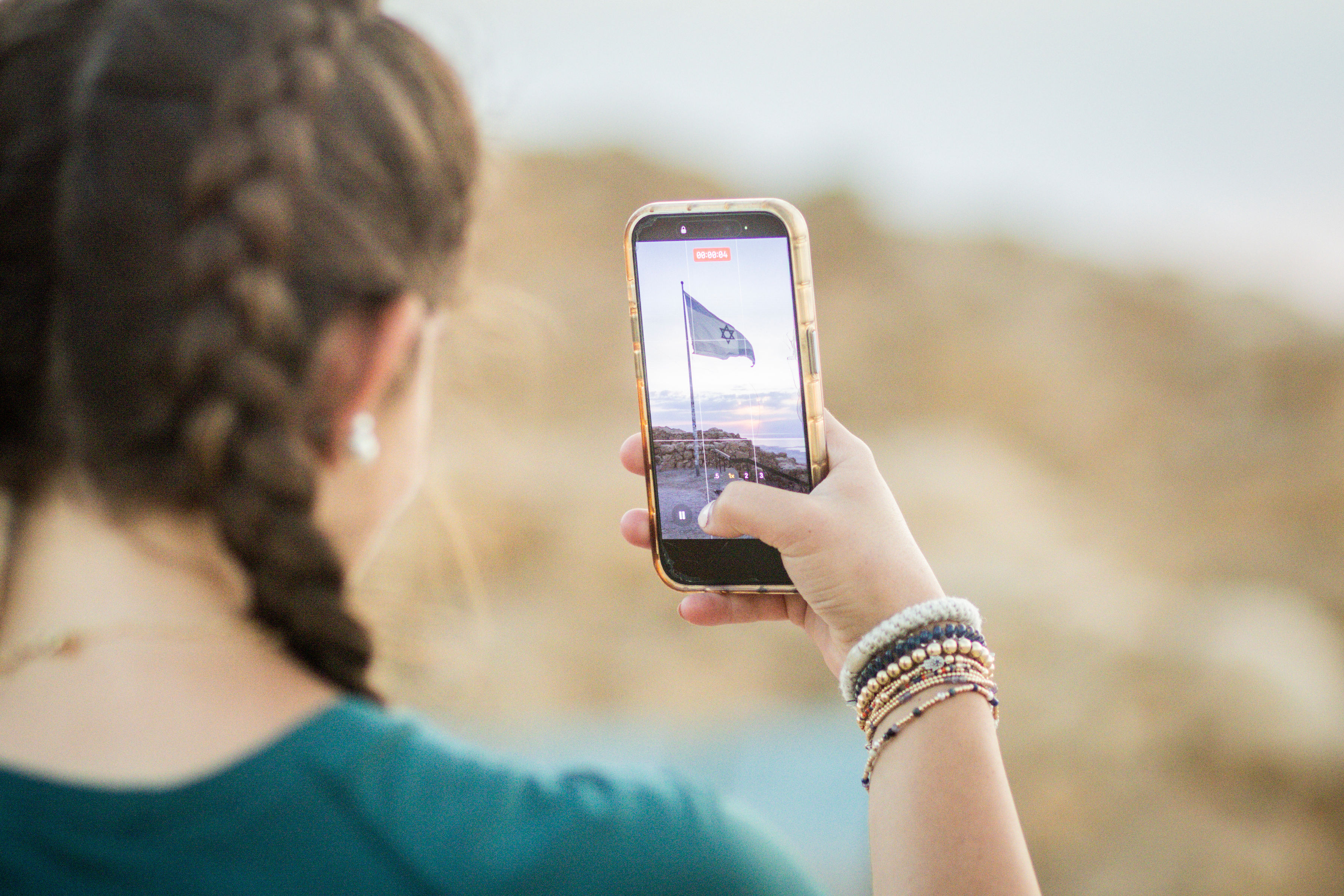
As part of my IB Diploma, I had to write an extended essay on a subject of my choice. I chose to explore social media and how influencers and celebrities use it as a form of power and influence over younger audiences' opinions and behaviors. But while my essay is a 4,000-word research paper with a million sources, that’s not what I want to convey in this article. There’s a much simpler way to analyze the issue, which is what this article will explain.
Two teens can open TikTok on the same day and see completely different versions of the same conflict. Some might not see it at all. Social media platforms use algorithms. These personalize content based on what we watch, like, share, and interact with. Our feeds create an echo chamber; you're not seeing new points of view, you're not seeing creators that differ from your usual interests and beliefs. So, while many think they are broadening their knowledge and getting many different opinions from social media, a lot end up getting the ricochet of their already formed opinions.
This leads us to believe we’re seeing what’s happening in the world, when we’re actually seeing a doctored version of it, to fit what we already believe in.
So, our feed or FYP doesn’t just show us content, but it can shape what you think is important, true, and worth caring about, since you never see the whole truth.
But then we have the issue of when awareness becomes misinformation. Social media has made information more accessible than ever. We can hear from people directly affected by events instead of relying exclusively on traditional news outlets. But the same platforms also spread misleading clips, old footage presented as new, manipulated images, claims without context, testimonies without basis… Short videos often reduce complicated political conflicts to a few seconds, creating a villain and a hero, black and white, in situations where the truth is more found in the greys. Emotional content can spread faster than actual explanations and facts, because anger, fear, and outrage generate more engagement and encourage empathy in people, which leads them to share a story. This raises the question: if a video makes us feel something powerful, does that make us more informed– or just more emotionally invested?
After October 7th, many of us realized the real power of your For You Page. Social media became a major space where people encountered information about Israel and the Middle East. Different users encountered completely different narratives about the same event, depending on the accounts they follow and the content their algorithms recommended. Creators, with an emotional investment in their search to share these “sad stories”, left out historical context, presented speculation as facts, and used graphic imagery and emotionally charged language to persuade viewers. And this isn’t just true to one side of the conflicts; both sides searched to create emotion in their viewers, and with that, supporters. People, audiences, us, felt pressure to repost a particular position to prove they care, belong to a community, or aren’t indifferent to suffering. But this resulted in people who had nothing to do with the conflict or didn’t know about the political or historical context of the conflict forming an opinion they weren’t entitled to. This doesn't mean all activism online is performative or that every viral post is false. Social media can expose real suffering and challenge powerful institutions. The problem is confusing visibility with understanding.
However, even outside of the October 7th and Middle Eastern conflict, people began to feel this pressure to have an opinion about everything. Online, not having an opinion can almost feel as unacceptable as having the “wrong” one. Impartiality begins to feel like an attack even when people don't know enough to have an opinion. Teens may repost content before verifying it because they’re afraid of looking ignorant, insensitive, or politically incorrect. Nuance gets lost when people are expected to choose a side immediately and defend it to death. And as I explained before, algorithms can create echo chambers where we mostly encounter people who agree with us, making opposing perspectives seem unreasonable or even incomprehensible. We have normalized forming opinions faster than we form an understanding.
So, how do we take back control?
Pause before reposting: Emotional urgency isn't proof of accuracy.
Check the source: Who created the content? What evidence do they provide? What might be missing?
Look beyond the algorithm: Deliberately read credible sources with different perspectives.
Separate facts from interpretations: What happened is not always the same as what someone claims it means.
Accept uncertainty: Saying “I don't know enough yet” can be a sign of intellectual honesty, not weakness.
Remember the human beings behind the headlines: Real suffering shouldn't become just another trend or a tool for winning online arguments.
In conclusion, your For You Page is a starting point, not the truth. Social media isn’t inherently the enemy. It can educate, connect people, amplify marginalized voices, and mobilize meaningful action. But we have to recognize that our feeds are curated, not neutral windows into reality. Being informed requires effort beyond scrolling, liking, and reposting. It requires reading, investigating, and learning, not just blindly repeating and reposting what your algorithm tells you. I challenge you to question not only what you see online, but also why you’re seeing it and why you believe it.
Our For You Pages may show us the world we expect to see, the world we're afraid of, or the world someone wants us to believe in. But the world itself is bigger than any screen, any trend, or any single narrative.
All views expressed on content written for The Shofar represent the opinions and thoughts of the individual authors. The author biography represents the author at the time in which they were in BBYO.
Explore More Stories
Opinion
Your For You Page is Not the Whole World
We don't just consume political content anymore; we consume political identities.
Identity
Paying Attention to the Most Important Thing During Sukkot
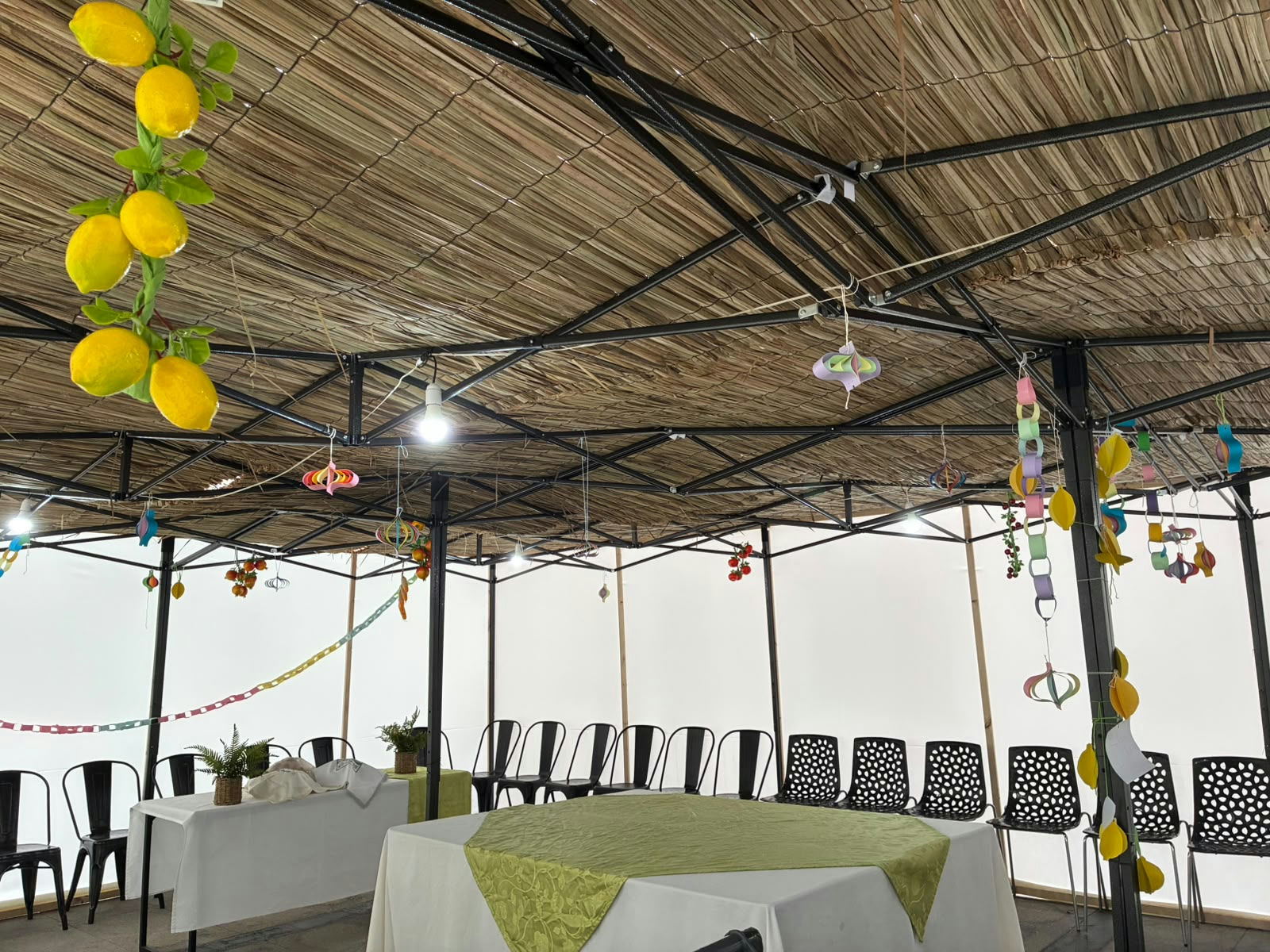
How do we celebrate Sukkot in Chile?
Identity
Taking The Risk
A personal reflection on what it means to risk starting over in order to feel safe and proud being Jewish.