- Get Involved
- BBYO Near You
- Summer Experiences
-
International Convention
International Convention
-
AZA & BBG Movement
AZA & BBG Movement
- About BBYO
Identity
PSA: Be Kind

In this week’s Torah portion, Parshat Kedoshim, we read the following verse, “Do not spread gossip about your fellow countrymen and do not stand idly by while your friends’ blood is being spilled” (Leviticus 19, 16). This verse serves as a warning against the well-known sin of Lashon Hara, taking bad about another.
In just last week’s Torah portion Parshat Metzora, we read about one who is afflicted with the biblical disease of Tzara’at. Why does one get Tzara’at and become a “Metzora?” To understand this, we must dig into the Hebrew word of Metzora. Metzora is an unusual word, as it is technically an acronym for “Motzei Shaim Ra” or “bringing out a bad name.” One who speaks Lashon Hara, evil slander, is guilty of Motzei Shaim Ra, bringing out a bad name about another and their punishment is to become a Metzora, a leper.
The truth is that at one time or another, all of us have been guilty of speaking badly about others or perhaps even gossiping. I know I am. Even our most exemplary figures in the Torah are guilty of Lashon Hara. Let us take Miriam, for example. We read in the Torah that Miriam speaks poorly of Moses and his Cushite wife, Zipporah. It could be that she even spoke disparagingly of her sister in law’s ethnicity. To condemn Miriam’s racist and harmful comments of her brother and sister-in-law, G-d strikes Miriam with an illness that leaves her skin a flaky white, like leprosy. Since her Tzara’at resulted from her words of Lashon Hara, we see the ultimate cause of the skin disease. In speaking ill of others, Miriam has participated in both Moses and Zipporah’s dehumanization, initiating a process whose end is uncontainable. That even Miriam, a prophetess, leader, and savior should be struck with this disease reinforces the message that nobody is perfect. For us to become our most divine and pure selves, we must acknowledge our flaws and wrongdoings and recognize the times we say and do the wrong thing.
Sometimes the consequences for our actions seem harsh, but it is very comforting to know that G-d loves us and truly wants us to become better, even if we are stricken with the harsh realities of life and pain as a consequence. G-d loves us in our brokenness and wants us to become better and more complete human beings. This Shabbat, as we read many of the laws mentioned in Parshat Kedoshim, may the lessons of Miriam and Moshe remind us of the great mitzvah being a kind person. Let us not be so quick to judge or speak harshly about one another. Let us be reminded that our words and actions matter. Let us all speak a language of kindness, compassion, responsibility, and Tikkun Olam.
Shabbat Shalom,
Emma Jacobson
Kansas City Council Shlicha
All views expressed on content written for The Shofar represent the opinions and thoughts of the individual authors. The author biography represents the author at the time in which they were in BBYO.
Explore More Stories
Identity

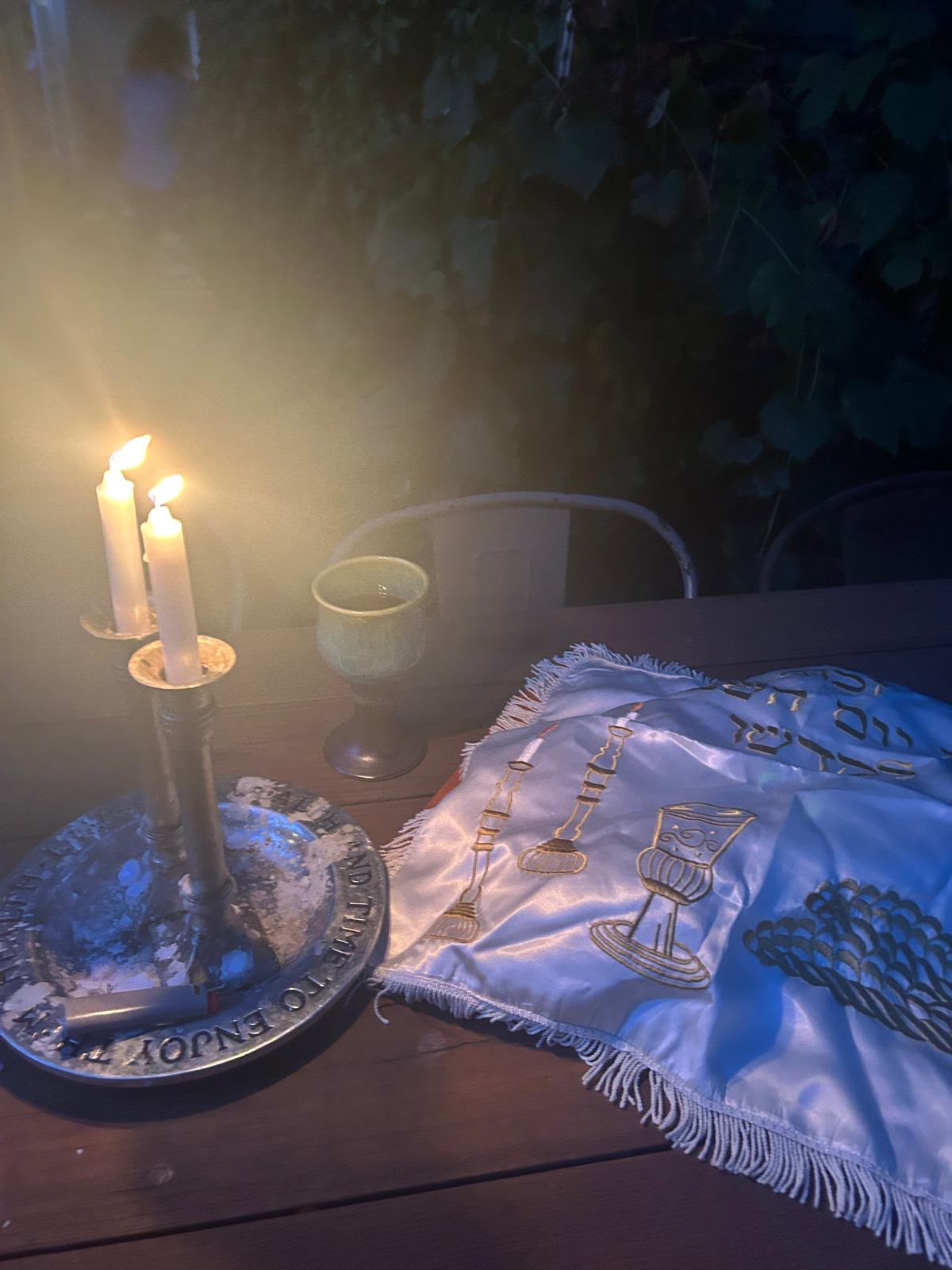
Taking The Risk
A personal reflection on what it means to risk starting over in order to feel safe and proud being Jewish.
Identity
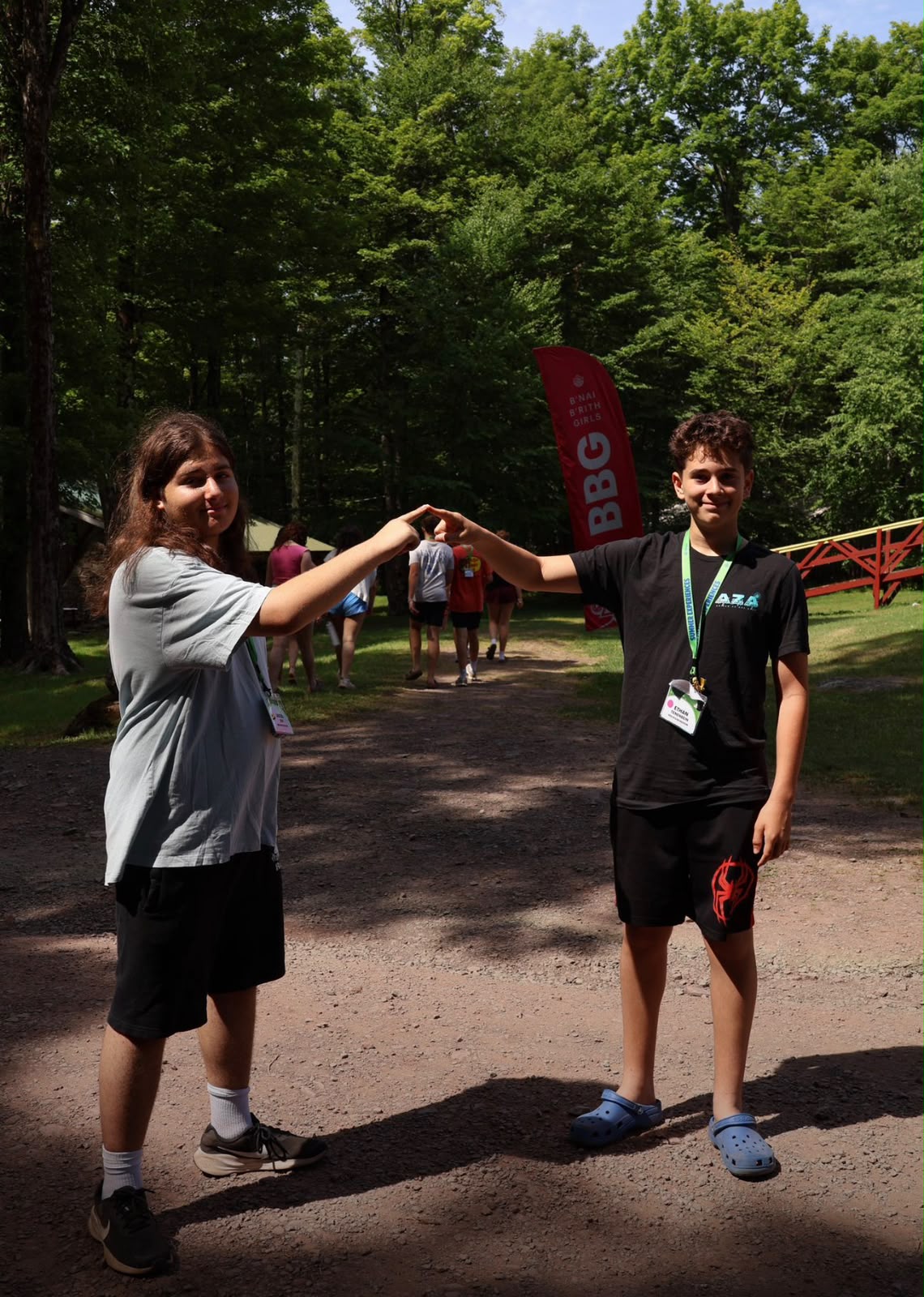
The Importance of Traditions
From pancakes to paperclips, traditions build connections and friendships.

Opinion
Seatbelt Stories
Giving rides to underclassmen in BBYO, and in general, hits different. Why?