- Get Involved
- BBYO Near You
- Summer Experiences
-
International Convention
International Convention
-
AZA & BBG Movement
AZA & BBG Movement
- About BBYO
Opinion
Parshat Ki Tzetei: Welcome the Stranger

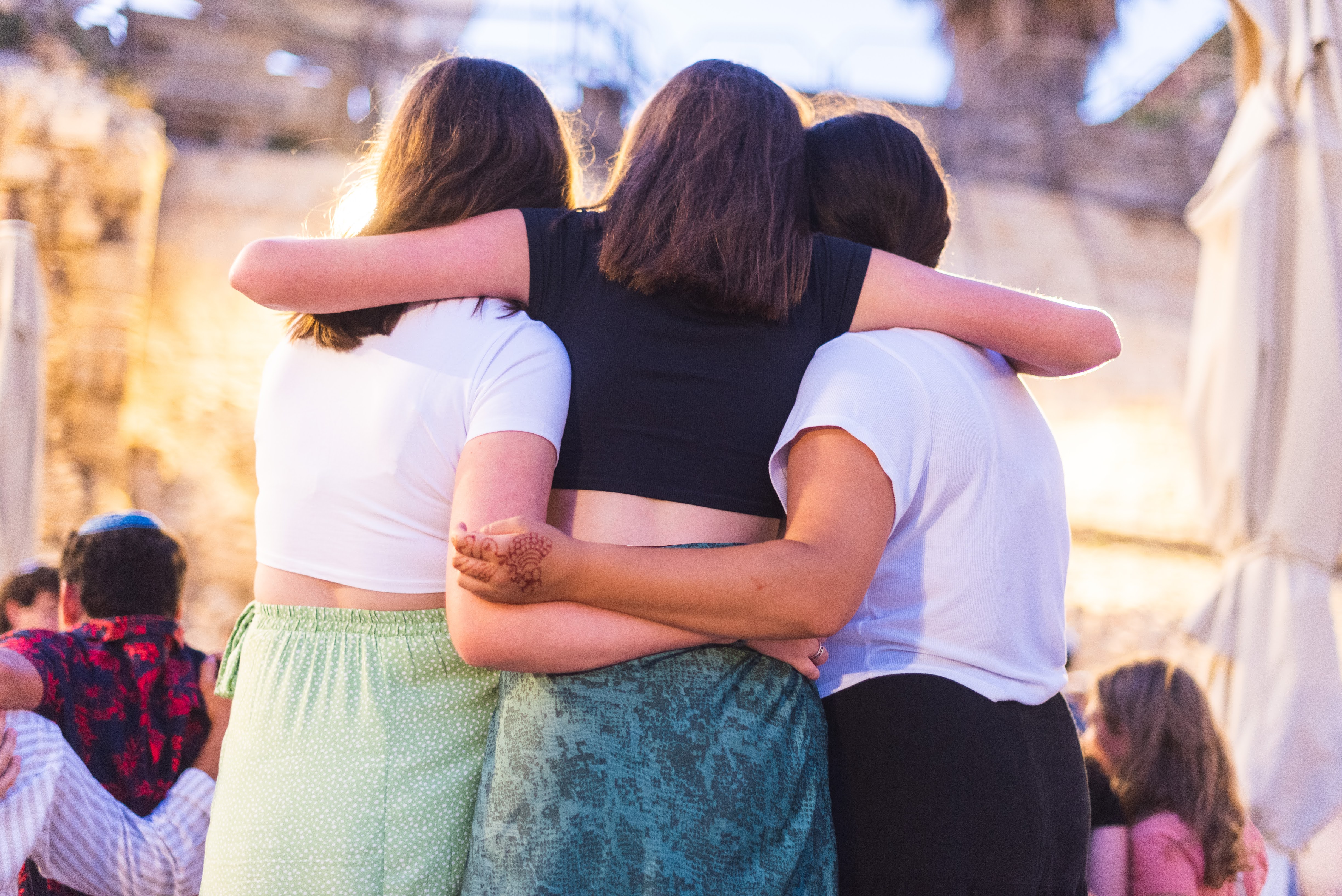
Currently, we are facing a crisis. Immigrants are coming to the United States to seek refuge from areas of violence and crime only to be met and then arrested by ICE agents and placed into unsafe detention facilities. In fact, the DHS Office of Inspector General indicated that the office received some 33,000 complaints between 2010 and 2016 alleging a wide range of abuses in immigration detention.
In this week’s Torah portion, Ki Tzetei, multiple references are made to welcoming in the stranger, the slave, and the refugee. The Parsha centers around laws that the Jewish people must follow pertaining to issues such as clothing, interfaith relationships, sexuality, and animal rights. However, one theme stated over and over again in Jewish texts, as well as in this week’s Parsha, is the idea that we must welcome and provide for the underprivileged and oppressed. Moses repeats “You shall not abhor an Egyptian, for you were a stranger in that land” (Deuteronomy 23:8). The idea that we must welcome strangers in our land, of course includes immigrants, people who come to seek refuge in our home country, regardless of whether they are identified or assigned any legal status such as asylum seekers or refugees. Moses continues by stating that “You shall not turn over to the master a slave who seeks refuge with you from that master. Such individuals shall live with you in any place they may choose among the settlements in your midst, wherever they please; you must not ill-treat them” (Deuteronomy 23:16). We are taught that not only must we welcome a stranger, a slave, or in this case, an immigrant but even let them choose which area best suits their needs.
This week’s Parsha also teaches the laws of abuse as well. It is taught that “If the man comes upon the engaged girl in the open country, and the man lies with her by force, only the party who lay with her shall die, but you shall do nothing to the girl. The girl did not incur the death penalty, for this case is like that of one party attacking and murdering another” (Devarim 22:25-6). All too often detention centers become a breeding ground for abuse and violent crime. We learn, from this week’s Torah portion, that this abuse is not only not tolerated, but comes with a major, well-deserved, consequence as well. Therefore, it is our responsibility, as Jews, to not only care for the immigrant, but to advocate against inhumane detention centers as well.
We are all lucky to be a part of an international Jewish youth movement with people from all backgrounds. We understand that everyone, everywhere deserves to be treated with respect and humanity. It is our job to take our first-hand knowledge of the people and the text and apply it to the real world. A world where inhumane detention centers are overcrowded with families and people are trying to escape dangerous situations only to be greeted by another. I encourage you to advocate for and recognize the humanity of people who are dealing with the immigration process.
Shabbat Shalom,
Julia Levin, NRE: Baltimore Council
All views expressed on content written for The Shofar represent the opinions and thoughts of the individual authors. The author biography represents the author at the time in which they were in BBYO.
Explore More Stories

Connection
Carrying the Limp Forward: Lessons on Strength and Resilience from Parashat Vayishlach
Inspired by Jacob’s midnight wrestle in the Torah and by hearing Rachel Goldberg-Polin and Jon Polin speak, this article is all about what it really means to keep pushing forward after hard times instead of pretending everything is ok, even with a limp.

Opinion

¿Qué Pasaría Si BBYO no Existiera? Por Qué Giving BBYO Day Importa Más de lo Que Creés
¿Alguna vez imaginaste cómo sería tu vida si nunca hubieras conocido BBYO? Detrás de cada donación durante Giving BBYO Day hay mucho más que plata en juego.

Rewind

Walking Into Something New Can Be Scary
Walking into something new can be scary, but sometimes the best memories come from taking that first step.