- Get Involved
- BBYO Near You
- Summer Experiences
-
International Convention
International Convention
-
AZA & BBG Movement
AZA & BBG Movement
- About BBYO
Connection
Parshat Ki Tavo: History, Gratitude, and Accountability


Shalom everyone,
This week’s Torah portion, Ki Tavo, is a fascinating blend of history, gratitude, and accountability. It starts with a beautiful commandment: when the Israelites enter the Promised Land and start harvesting their crops, they are to bring the first fruits to the temple. This act of bringing the Bikkurim is not just a ritual; it's a profound expression of gratitude. It’s a way of saying, “I recognize that these fruits, this abundance, comes from a higher power. I didn’t do this alone.”
Imagine the scene: the Israelites, after decades of wandering in the desert, finally stand on the threshold of a new chapter in their lives. As they prepare to settle in the land of their ancestors, they are instructed to take a portion of their first harvest and present it with joy. This gesture is a powerful reminder that everything we have—our successes, our blessings—comes from something greater than ourselves. It’s about recognizing and celebrating the source of our abundance.
But Ki Tavo isn’t just about gratitude; it also brings us face-to-face with the concept of consequences. The portion includes a dramatic section detailing blessings and curses. The blessings describe the rewards for living a righteous life—prosperity, peace, and fulfillment. The curses, on the other hand, vividly depict the consequences of turning away from God’s commandments—suffering, confusion, and loss. This stark contrast underscores a crucial point: our actions have real consequences, and living in accordance with our values leads to a more fulfilling and harmonious life.
One of the most compelling aspects of this portion is the emphasis on memory and legacy. As the Israelites are about to cross into the Promised Land, they are commanded to build an altar and set up large stones, inscribed with the words of the Torah. These stones are more than just markers; they are physical reminders of the covenant between God and the people. They symbolize the enduring nature of this relationship and the importance of keeping the Torah’s teachings at the forefront of their lives.
For us, this can be a call to reflect on our own lives and how we remember and honor our commitments. What are the “stones” we set up to remind ourselves of our values and goals? How do we ensure that the lessons we’ve learned guide our actions and decisions?
In our own journeys, it’s easy to get caught up in the day-to-day and forget where we started and where we’re headed. Ki Tavo invites us to pause and think about how we express our gratitude, how we hold ourselves accountable, and how we keep our values alive. It’s a reminder to look back, learn from our experiences, and let that knowledge shape our future.
As we study Ki Tavo, let’s take a moment to appreciate the blessings we have, to recognize the source of our abundance, and to commit ourselves to living with integrity and purpose. Let’s build our own “stones” of remembrance and ensure that they guide us toward a future that reflects our deepest values and aspirations.
Shabbat Shalom!
Gavin Meyers
Great Midwest Region
All views expressed on content written for The Shofar represent the opinions and thoughts of the individual authors. The author biography represents the author at the time in which they were in BBYO.
Explore More Stories
Connection

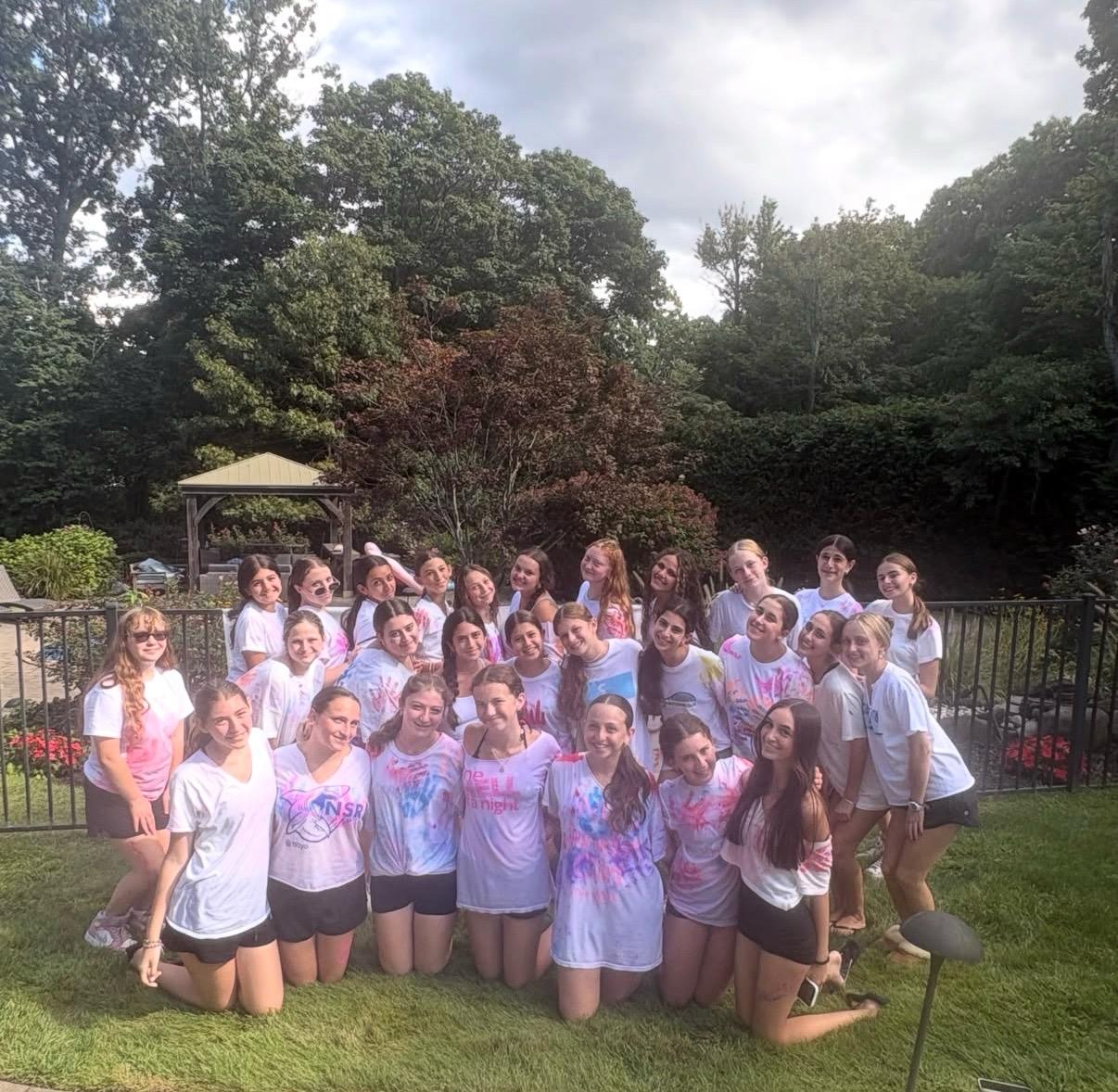
The Sisterhood I’ve Found Since Becoming a BBG
Since becoming an Ahavah BBG #2303 angel, I have felt such a strong sense of sisterhood and friendship.

Identity

Taking a Chance on Something Bigger: Running for S’ganit for the First Time
Running for a leadership position like S’ganit for the first time can be intimidating, but taking the leap despite inexperience is a valuable opportunity to learn, make a meaningful impact, and discover your potential.

Connection

From Pierogi to Chabad: My Culinary Tour of Central Europe
From pierogies in Poland to questionable Chabad dinners, my European food experience was anything but predictable.