- Get Involved
- BBYO Near You
- Summer Experiences
-
International Convention
International Convention
-
AZA & BBG Movement
AZA & BBG Movement
- About BBYO
Identity
Parshat Chayye Sarah: The Legacy We Build Through Everyday Acts of Kindness

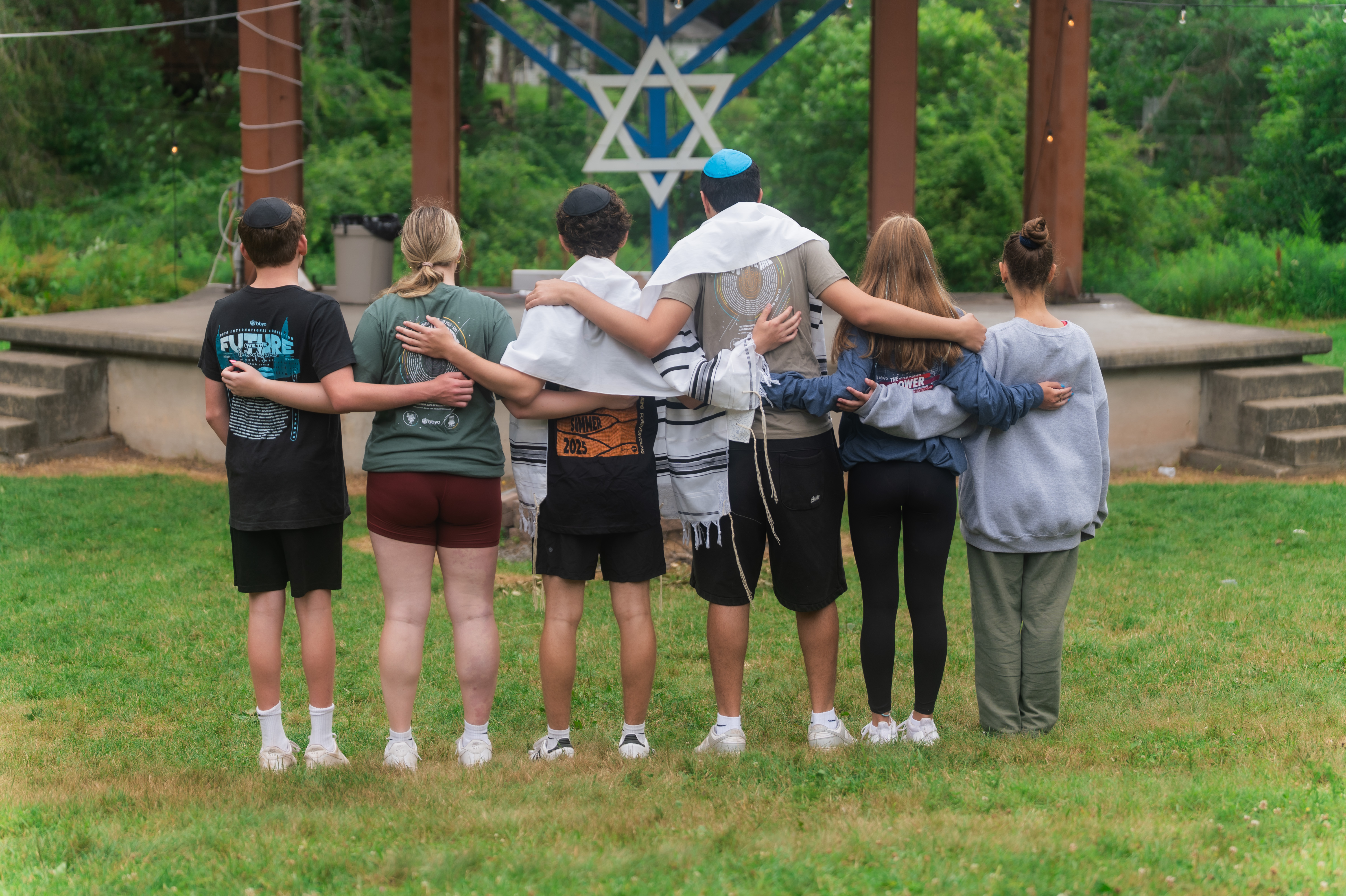
When we think about a legacy, we usually think about the big things people do. We think about their accomplishments, the awards they win, or the way they change the world. Parsha Chayye Sarah teaches us that legacy can be about something much simpler: the way we treat other people.
The parsha begins with the death of Sarah, Abraham's wife. Even though the parsha is named Chayye Sarah, meaning “the Life of Sarah,” it begins by telling us about her death. This seems strange at first. Why would a portion about life begin with someone's death?
One way to understand this is that a person's life is not measured only by how long they live but also by what they leave behind. Sarah's life continues to matter even after her death because of the family values and traditions she helped build. Her story reminds us that the impact we have on others can continue long after a moment has passed.
Later in the parsha, Abraham sends his servant to find a wife for Isaac. When the servant arrives at a well, he meets Rebecca. He asks for water, and she not only gives water but also offers to draw water for his camels. This may not seem like a small act, but it reveals something important about Rebecca: she notices that someone needs help and chooses to do more than what is expected of her. Rebecca's actions help show why she is a fit person to be part of Abraham and Sarah's family. She demonstrates kindness through what she does, not just through what she says. She becomes part of the next generation that will carry the Jewish story forward.
This connects to an important idea in Judaism: our values are not just things we learn in school or read in the Torah; they are things we are supposed to put into practice. We can talk about kindness, responsibility, and community, but those values only become meaningful when we act on them.
I think this idea is especially important in BBYO. We often talk about leadership, brotherhood and sisterhood, and building connections with Jewish teens around the world. Sometimes leadership means planning a big event, giving a speech, or even writing a d'var Torah like this one.
But other times it means noticing someone who feels left out, welcoming a new member, or checking in on a friend who seems to be having a hard day.
Those smaller moments might not get recognized with an award, but they can make a real difference. A person might forget what someone said in a meeting or a speech, but they may remember how a person made them feel—just like Rebecca's actions at the well. Such a small choice can reveal the values that we carry and influence the people around us.
This also connects to a teaching from Pirkei Avot: “Who is wise? One who learns from every person.” It reminds us that everyone has something to teach us and that we should approach the people around us with respect. Building a strong Jewish community means recognizing the value of each person and understanding that everyone can contribute something meaningful.
As Jewish teens, we are part of a tradition that has continued across generations. We inherit stories, customs, and values from the people who came before us, but we also have responsibilities to decide what we will pass on to the people who come after us. Parsha Chayye Sarah leaves me with one important question: What kind of legacy am I building through the way I treat people today?
We do not have to do something extraordinary every day to make a difference. We can start by being more welcoming, showing kindness when nobody is watching, and making sure the people around us feel that they belong. These actions may seem small, but they can shape the kind of community we build and the values future generations inherit. Sarah's life, Abraham's commitment to his family, and Rebecca's kindness all remind us that we may not always see the impact of those choices, but that does not mean the impact is not there.
Shabbat Shalom,
Theo Buber
Greater Jersey: Northern
All views expressed on content written for The Shofar represent the opinions and thoughts of the individual authors. The author biography represents the author at the time in which they were in BBYO.
Explore More Stories
Connection

The Sisterhood I’ve Found Since Becoming a BBG
Since becoming an Ahavah BBG #2303 angel, I have felt such a strong sense of sisterhood and friendship.
Identity
Taking a Chance on Something Bigger: Running for S’ganit for the First Time
Running for a leadership position like S’ganit for the first time can be intimidating, but taking the leap despite inexperience is a valuable opportunity to learn, make a meaningful impact, and discover your potential.
Connection

From Pierogi to Chabad: My Culinary Tour of Central Europe
From pierogies in Poland to questionable Chabad dinners, my European food experience was anything but predictable.