- Get Involved
- BBYO Near You
- Summer Experiences
-
International Convention
International Convention
-
AZA & BBG Movement
AZA & BBG Movement
- About BBYO
Connection
Parashat Ha’azinu/Shabbat T’shuva: Repentance Begins with Intention

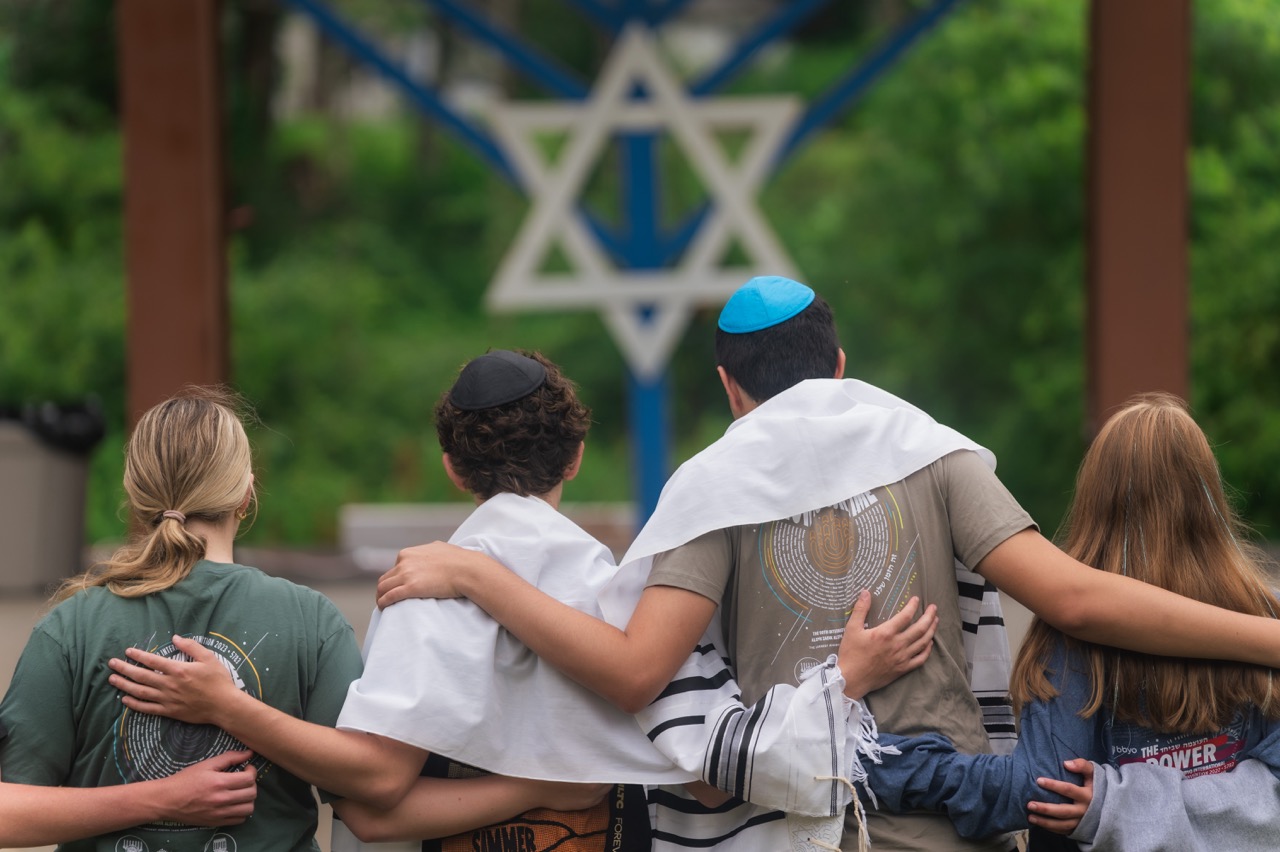
Parashat Ha’azinu is mostly a beautiful poem. The poem, known as Shirat Ha’azinu (Song of Ha’azinu) reflects on the history of Bnei Yisrael, the consequences of straying from our sacred covenant, and the ultimate reconciliation with G-d. Ultimately, the portion concludes with Moses being called up onto Mount Nebo to ultimately view the promised land before he is laid to rest.
One of the most interesting things about this portion is its bluntness. G-d is strikingly clear in his vision of what the Israelites will do—with his extensive experience with human nature, he predicts the Israelites will become complacent and turn to false idols as they settle into the promised land. While He does see the Israelites straying from worship, and seeks to punish them, he also envisions a return: making clear that that suffering is not meant as pure punishment, but as a catalyst to wake the soul up and prompt a return to G-d.
This is practically identical to the premise of עשרת ימי תשובה: or in English, the Ten Days of Repentance, (the period we’re in right now!) stretching from Rosh Hashanah to Yom Kippur.
Shabbat T’shuva, the shabbat during those ten days, demands that we look upon our actions over the past year, determine what our modern idols are (material pursuit, greed, or ego), and consciously repent to return to our holy selves, receiving a fresh start.
But out of all of the concepts that surround these ten days, I find one particularly telling, and it comes from Chassidic thought.
According to Chassidic teachings, there are two kinds of repentance: Lower-level repentance (teshuvah tataah), which is repenting purely out of fear or targeting specific internal sins, and Higher-level repentance (teshuvah ila’ah), which is a much more profound repentance, involving the joy of reuniting with a pure, spiritual state with G-d.
This second kind of repentance is a lot more spiritually intimidating, so let’s step back: what are the Rabbis actually saying here?
Well, in my opinion, the rabbis are intending to distinguish transactional and intentional repentance. Here’s why.
Most teens our age go to services on Yom Kippur because they have to. For some, it’s the only time they’ll go to services throughout the year. Many teens will find it boring or repetitive, and won’t confront the reason why the holiday exists when they’re in their tenth hour of fasting. That’s the distinguishing of the teachings.
It’s a metaphor too, isn’t it? If you were wondering why an entire Parsha is a song, it might be because we are simply so joyful to repent — to let go of what’s been weighing us down this past year.
And you can’t truly repent by just sitting and listening to the Shofar. Sure, someof us like to think of it as why, but it simply isn’t true. You have to want it. You have to feel the joy. You need to actually sit during prayer and actually brainstorm the habits, behaviors, and attitudes you’ve developed over the past year that simply aren’t compatible with the person you want to be. Without doing that, Yom Kippur is purely transactional: the holiday passes, and you’ll consider yourself sinless, while continuing to act on those same sins. In reality, nothing has changed, and you are still the same person that you were on Sunday.
So take this weekend and repent.
Apologize.
Do your best to mend the wounds and lay the groundwork for your spiritual rebirth. Be proud of the good and wash away the bad. Decide what you want to carry with you into the new year, and what you want to leave behind. Walk into the long-awaited break-fast on Monday with satisfaction — not just because you completed the fast, but because you completed a renewal of your soul: something truly worth treasuring.
Shabbat Shalom, Shana Tova, and G'mar Chatima Tova, BBYO!
א Lev Shulman
Shabak AZA #2342, Great Midwest Region #61
__________
Simchat Torah Challenge Podcast Series
Interested in listening to this week's parsha? Check out Greater Atlanta's take on Parshat Ha’azinu as a part of the Simchat Torah Challenge Podcast Series. The Simchat Torah Challenge is a yearlong journey where teens from around the Order are exploring the Torah, one parsha at a time. Teens are connecting with the text, sharing their thoughts, and exploring how it relates to their own lives.
All views expressed on content written for The Shofar represent the opinions and thoughts of the individual authors. The author biography represents the author at the time in which they were in BBYO.
Explore More Stories
Opinion

If Not Us, Then Who?
The upcoming Israeli elections are among the most tense in recent history. But what are they really about, and why should we care?
Opinion

For Every Jewish Teen?
Can we truly say that we are for every Jewish teen when there are still barriers that prevent so many teens from joining?

Identity

How Taking Those Tiny Risks Changes Everything
Showcasing your creativity is the most rewarding thing you can do in BBYO—so take all the risks and opportunities you can.