- Get Involved
- BBYO Near You
- Summer Experiences
-
International Convention
International Convention
-
AZA & BBG Movement
AZA & BBG Movement
- About BBYO
Opinion
Judicial Reform or Juristic Coup?

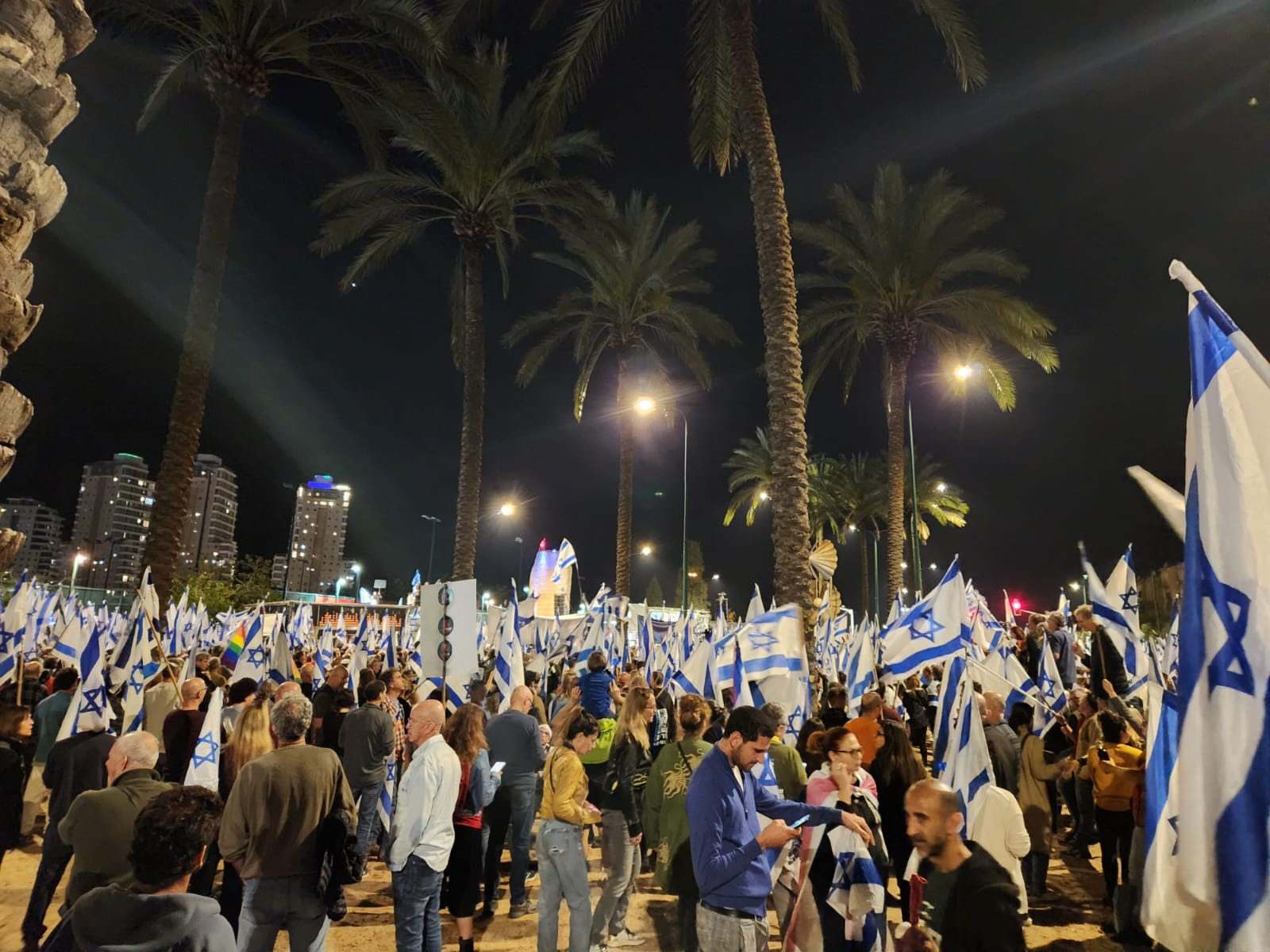
Israel’s Declaration of Independence states, “It (Israel) will ensure complete equality of social and political rights to all its inhabitants irrespective of religion, race or sex; it will guarantee freedom of religion, conscience, language, education and culture.” Is this in jeopardy?
On December 10, 2022, the first protest against the Israeli government took place. In response, pro-new reform protests have begun taking place; society is taking action.

The current government is right-wing, led by Binyamin Netanyahu with 64 members from various parties, such as Licud, Shaas, and Hatzionut Hadatit. Since December, the government started a process of changing the current judicial system. The original system was constructed 75 years ago during the establishment of the State of Israel.
The protesters against the new reform fear that the result of this new reform will be a politicized and biased supreme court, working hands tied with the government. Michal Hertz, an active protester, said, “From a democratic point of view, society is measured by the way it treats its weakest groups. The entire reform creates a situation where those who are weak will be weaker. The court traditionally, in democracies, serves as a defender of individual rights. The reform does not look at the weak and dark areas of society, but comes to empower those who already have power.”
On the other hand, during an interview with Rachel Orpaz, the Coordinator of Citizenship at Hamoshava High School, she was asked to explain the right-wing perspective, “This is complete fairness from the right-wing point of view. From their perspective, they won the elections fair and square and are allowed to exercise their democratic and diplomatic rights.”

In addition, Kohelet.org.il states that the new reform will target many other fields.
Another intention of the government is the override clause. The Israeli democratic institutes explains, “An override clause is a mechanism that would allow the Knesset to enact legislation that overrides a Basic Law.” For example, this could allow a shop owner to decide who can enter their shop according to their preference. In the future, any Knesset will also have the power to change an original basic law that may hurt many Israeli citizens.
In conclusion, The government operates legally and is exercising its rights like any other government in the past. The question is, are they taking it too far?
All views expressed on content written for The Shofar represent the opinions and thoughts of the individual authors. The author biography represents the author at the time in which they were in BBYO.
Explore More Stories

Identity

Taking The Risk
A personal reflection on what it means to risk starting over in order to feel safe and proud being Jewish.

Identity

The Importance of Traditions
From pancakes to paperclips, traditions build connections and friendships.

Opinion

Seatbelt Stories
Giving rides to underclassmen in BBYO, and in general, hits different. Why?