- Get Involved
- BBYO Near You
- Summer Experiences
-
International Convention
International Convention
-
AZA & BBG Movement
AZA & BBG Movement
- About BBYO
Opinion
High Holidays a Year after October 7th
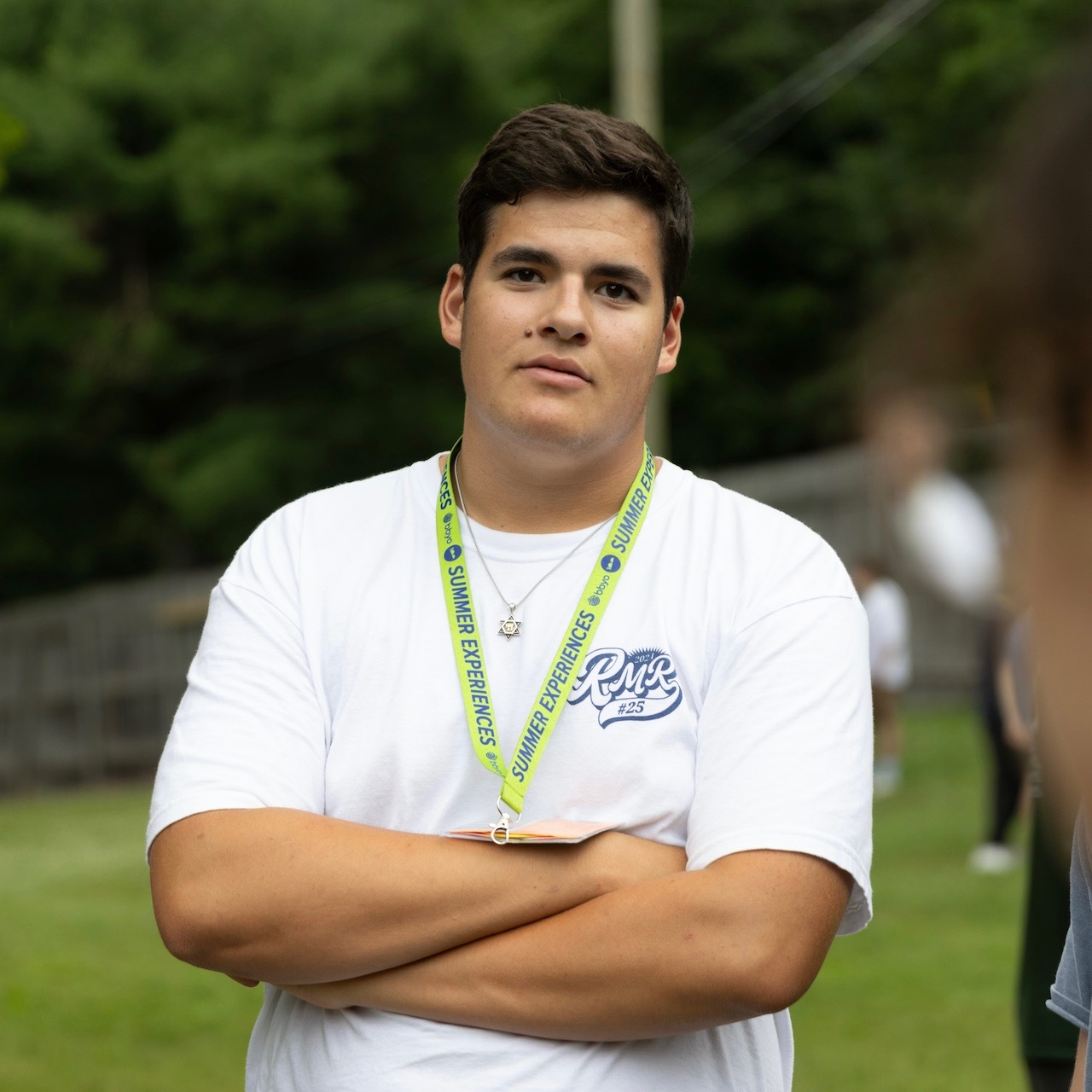
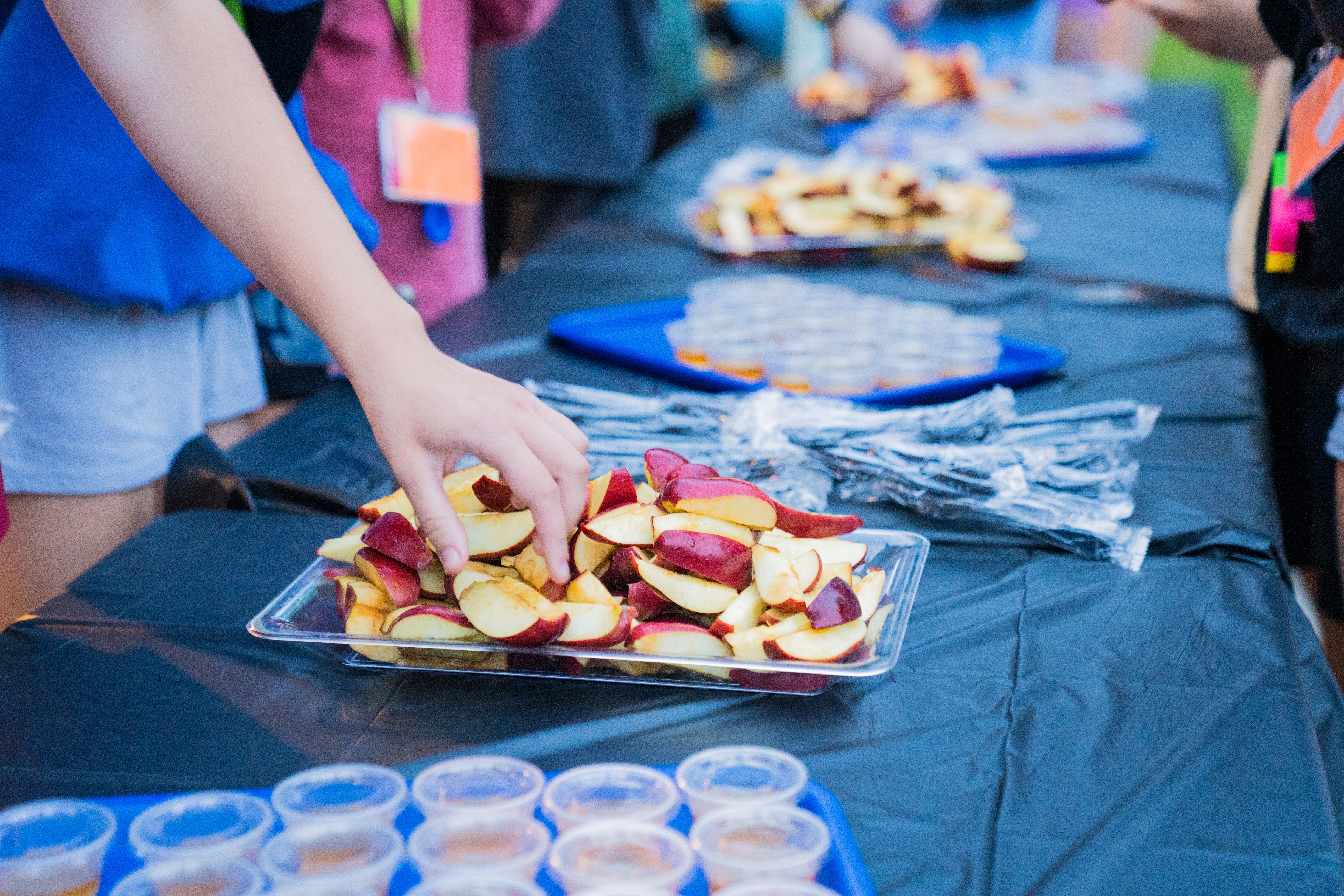
The Jewish High Holidays are usually a time for self-reflection, prayer, and gathering with family and community. Starting with Rosh Hashanah, the Jewish New Year, and ending with Yom Kippur, the Day of Atonement, these holidays often bring a sense of renewal and hope. However, what is normally a peaceful time was overshadowed by heartbreaking events and grief from the past year.
Typically, Rosh Hashanah is a time to set goals for the year ahead, celebrating the sweetness of life with symbolic foods like apples dipped in honey. This year, however, the sound of the shofar—the ram’s horn traditionally blown to signal the start of the new year—carried a new urgency. It wasn’t just a spiritual wake-up call; it was also a cry for peace, safety, and justice in a time of violence and uncertainty. Synagogues that would normally be filled with joyful greetings of “Shana Tova” (Happy New Year) became spaces of solemn prayer. Many services included special prayers for Israel, which have not been common in temples around the world in recent years.
As Yom Kippur approached—the holiest day in the Jewish calendar—there was an even deeper sense of urgency. This day is usually devoted to fasting, prayer, and seeking forgiveness for personal shortcomings. But this year, the traditional themes of atonement were complicated by a collective sense of helplessness. Many Jews found it difficult to focus solely on spiritual matters while worrying about the violence in Israel and its impact on friends, family, and the Jewish community at large. Instead of the peaceful fast that Yom Kippur usually brings, many felt like the fast also symbolized what the hostages may have experienced while being held captive in the tunnels of Gaza.
Prayers for Israel’s safety and the hope for peace were added to services, giving new weight to the holiday’s rituals and prayers. However, Jewish communities around the world came together with resilience. In my chapter, we hosted an October 7th event where teens could come to share their thoughts about the tragic events that had occurred, as well as look back and reflect on the past year.
Even though this year’s High Holidays were different from previous years, they also highlighted the strength of Jewish unity, hope, and perseverance. The core message of these holidays—renewal and reflection—took on deeper meaning as Jews everywhere considered their roles in making the world a safer, more just place. This year, the holidays reminded us not only of the fragility of life but also of the enduring strength of the Jewish people and our shared hope for a future of peace and healing in Israel and beyond.
All views expressed on content written for The Shofar represent the opinions and thoughts of the individual authors. The author biography represents the author at the time in which they were in BBYO.
Explore More Stories
Identity
Taking The Risk
A personal reflection on what it means to risk starting over in order to feel safe and proud being Jewish.
Identity
The Importance of Traditions
From pancakes to paperclips, traditions build connections and friendships.

Opinion

Seatbelt Stories
Giving rides to underclassmen in BBYO, and in general, hits different. Why?