- Get Involved
- BBYO Near You
- Summer Experiences
-
International Convention
International Convention
-
AZA & BBG Movement
AZA & BBG Movement
- About BBYO
Spotlight
Everything You Need to Know about Tu B'Shvat

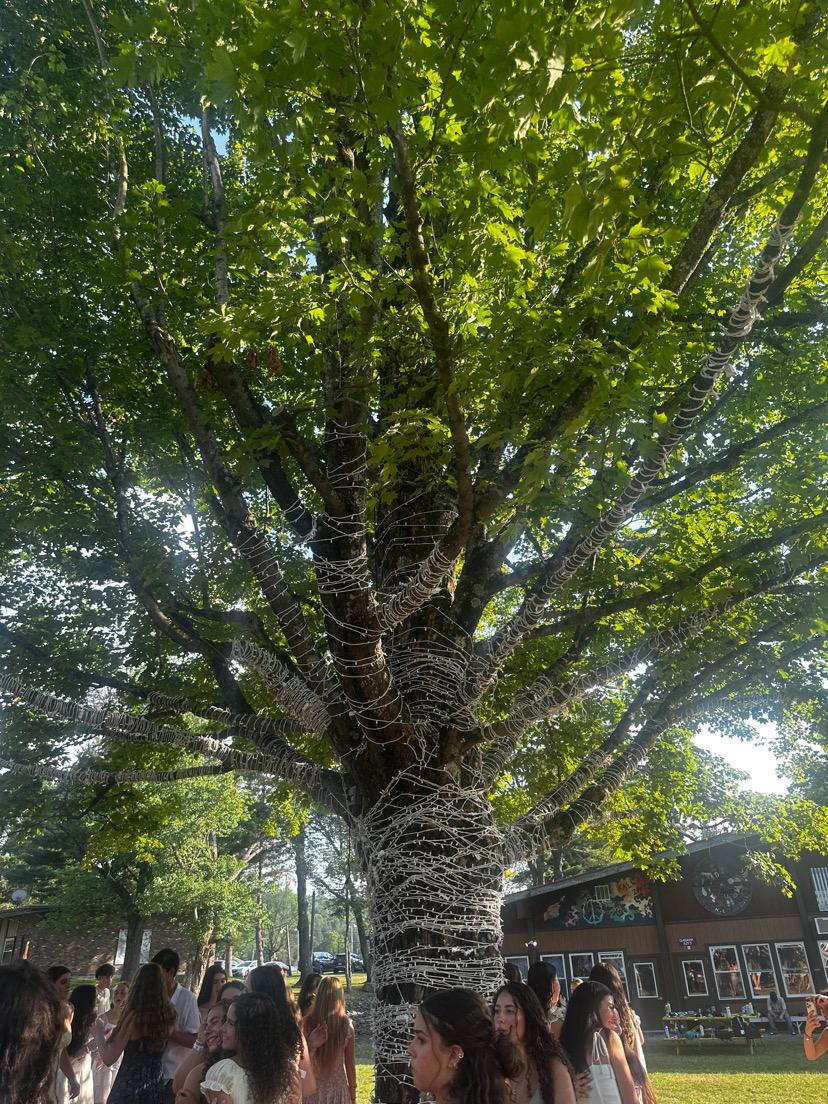
Long ago, Tu B'Shvat marked an essential time for Jewish farmers during the month of Shevat. Shevat typically coincides with the months of January and February. At the time, fruit could only be eaten from older trees. This law sparked curiosity about how the birth of trees could be celebrated.
Rabbis established that the 15th day of Shevat would be the general birthday for all trees, regardless of when they were actually planted. Fruit trees symbolize God’s divine favor and the importance of sustaining life, which is why they were awarded special status in the Torah.
When the Rabbi established the “Four New Years,” so was Tu B'Shvat, alongside Rosh Hashanah (also known as the “Jewish New Year”). Tu B'Shvat was marked as the “New Year for Trees.” The rabbis decided Tu B'Shvat should be established after mid-winter, hence the month of February. They concluded that in Israel, the majority of rain had already fallen, making for healthy trees.
Jewish mystics, or “Kabbalists,” gave Tu B'Shvat a larger meaning. They created elaborate symbolic rituals and ate specific fruits associated with Israel on the holiday to evoke a divine presence.
Now, Tu B'Shvat acts as a symbol of Zionism and attachment to Israel. Celebrating also signals Jewish sensitivity for the environment.
Many observe the holiday by contributing money to the Jewish National Fund, which supports Israel. Others treat the holiday as “Earth Day,” educating people about Jewish advocacy and environmental activism.
The Tu B'Shvat seder usually includes at least fifteen fruits. The seder plate often includes wheat, barley, grapes, figs, pomegranates, olives, and dates, which are served according to the Torah. Eating these foods is a way to connect to ancient heritage.
In India, Jewish people celebrate the holiday with a special ceremony called “Malida,” which is also done during bar or bat mitzvahs. The centerpiece is a special rice dish filled with fruit, stacked in the center of a round plate to look like Mount Sinai.
During Tu B'Shvat, I urge you to appreciate the nature around you, whether that be the trees in your backyard or your mother’s rose bush. Take time out of your day to notice the beauty around you. Maybe even try a new fruit that you normally wouldn’t eat. Happy Tu B'Shvat!
All views expressed on content written for The Shofar represent the opinions and thoughts of the individual authors. The author biography represents the author at the time in which they were in BBYO.
Explore More Stories
Identity

Taking The Risk
A personal reflection on what it means to risk starting over in order to feel safe and proud being Jewish.
Identity

The Importance of Traditions
From pancakes to paperclips, traditions build connections and friendships.

Opinion

Seatbelt Stories
Giving rides to underclassmen in BBYO, and in general, hits different. Why?