- Get Involved
- BBYO Near You
- Summer Experiences
-
International Convention
International Convention
-
AZA & BBG Movement
AZA & BBG Movement
- About BBYO
Identity
Havdalah - הבדלה

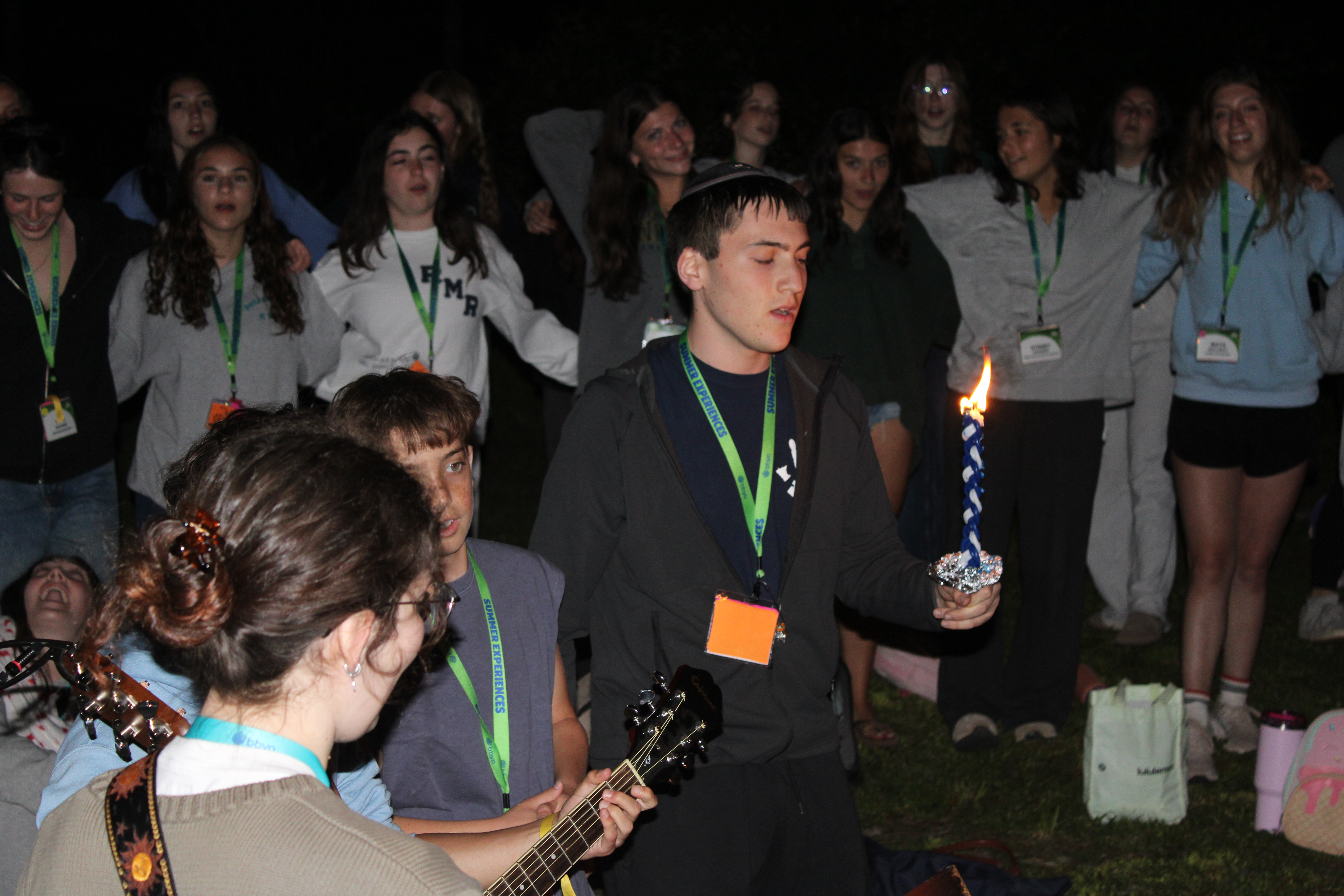
What is Havdalah?
Havdalah literally translates to separation or distinction, shown through the mitzvah that distinguishes the working week from Shabbat.
However, Havdalah is much more than a window between the 2 parts of the week. It is a mitzvah to complete a sensory-filled moment built to reflect on the blessings that we have coming into the new week.
When experiencing Havdalah, it's crucial to have wine or grape juice, a kiddush cup, Vesamim - a bag of spices that particularly smell good, and finally a candle with multiple wicks.
After two stars are visible and Shabbat ends, Havdalah can begin.
Havdalah begins with lighting the candle and pouring wine into the kiddush cup. The Havdalah candle, unlike a normal Shabbat candle, consists of multiple wicks - a tradition rooted in the prayer said over the fire, which uses the plural word Meorei, meaning “lights” rather than the singular form, Meor, meaning “light”. We respect this tradition by lighting a candle with multiple wicks. We also customarily overfill the kiddush cup, a sign of the ever-flowing abundance of blessings.
Hinei el yeshuati follows the lighting of the candle and the pouring of the wine. Commonly referred to as the “Havdalah introductory blessing”. Hinei el yeshuati, unlike the rest of the blessings in Havdalah, does not highlight any senses. Instead, it exclaims who we are as a people, how we wait for deliverance in the name of G-d, and how we carry the pride of the past generations regardless of the sorrows they've endured.
Next, you raise the kiddush cup in the right hand and say “borei pri ha’gafen”. However, unlike during Shabbat, you don't immediately follow the blessing by completing the task - in this case, drinking it. Rather, during Havdalah, we wait to drink the wine until the very end, as it is the unifying vessel for the sequence of blessings that encompass the mitzvah.
Continuing on to Vesamim, meaning spices, and the blessing borei minei Vesamim. The spices, often cinnamon and clove, are placed in a bag and passed around. We use our sense of smell to breathe in something great and happy to alleviate the sadness of our additional Shabbat soul, or neshamah yeteirah, as it goes off into the world and leaves us until next week.
Third is Ha’eish, the flame. Ha’eish, to me personally, is the most beautiful part of Havdalah.
The question may be: For ha’gafen, the wine serves as a symbol of abundance of blessings for the week, and vesamim is a way to cope with our Shabbat soul leaving. But what is the significance of ha’eish beyond its ability to illuminate? As Bereisheet - Genesis 2:7 reads, in the afternoon of the sixth day, G-d created Adam Ha’rishon - Adam the first human, through dust and dirt and breathed life into him through his nostrils. And soon after became the first Shabbat. To commemorate this, G-d suspended the setting of the sun for a day. As the 7th day began to close, and the new week began, the sun started to set. Adam, who had not yet been in the darkness, was frightened, believing the world may be ending. G-d, in all His greatness, felt compassion and gave mercy to Adam. Adam was instructed to rub 2 rocks together, thus creating the light of the night, Fire.
Circling back, we say “borei meorei ha’eish”. We take our hands towards the previously lit flame, to feel the heat of the flame and watch the shadows on us.
And we close with Hamavdil bein kodesh.
This blessing is central to the mitzvah because it truly thanks G-d for providing distinction between the sacred and the mundane, light and darkness, Israel and other nations, and ultimately. the six workdays and the seventh day - the day of rest.
After Hamavdil bein kodesh, we extinguish the flame in the wine inside the kiddush cup, rather than blow out the flame. This practice has a few explanations, one of which is that we compare the human soul to a flickering flame. We don’t wish to extinguish the flame of one's soul until they've completed the tasks of their life, and the soul may then depart while the body returns to the soil of the earth.
All views expressed on content written for The Shofar represent the opinions and thoughts of the individual authors. The author biography represents the author at the time in which they were in BBYO.
Explore More Stories
Identity

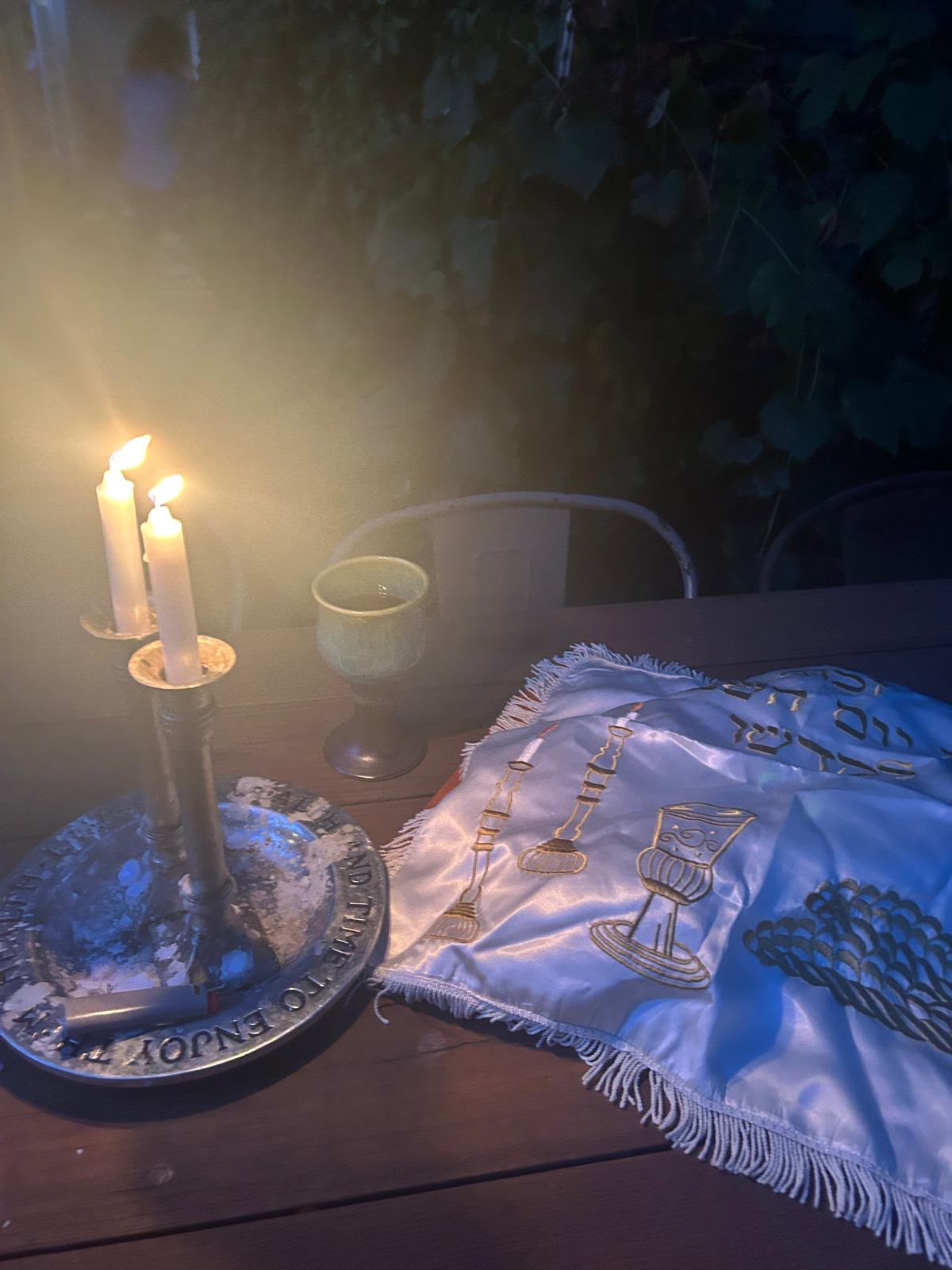
Taking The Risk
A personal reflection on what it means to risk starting over in order to feel safe and proud being Jewish.
Identity

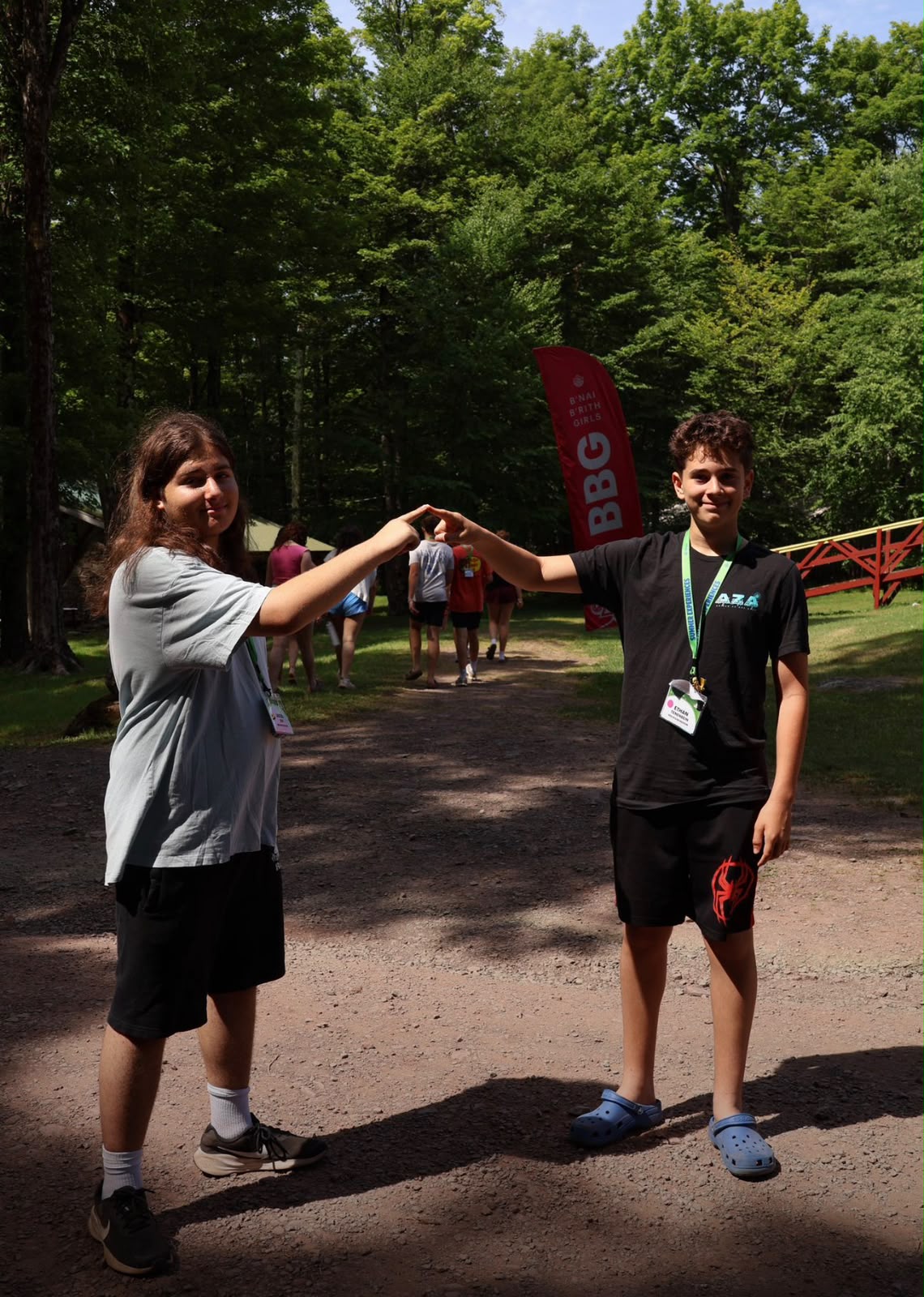
The Importance of Traditions
From pancakes to paperclips, traditions build connections and friendships.

Opinion

Seatbelt Stories
Giving rides to underclassmen in BBYO, and in general, hits different. Why?