- Get Involved
- BBYO Near You
- Summer Experiences
-
International Convention
International Convention
-
AZA & BBG Movement
AZA & BBG Movement
- About BBYO
Connection
The Power of Community

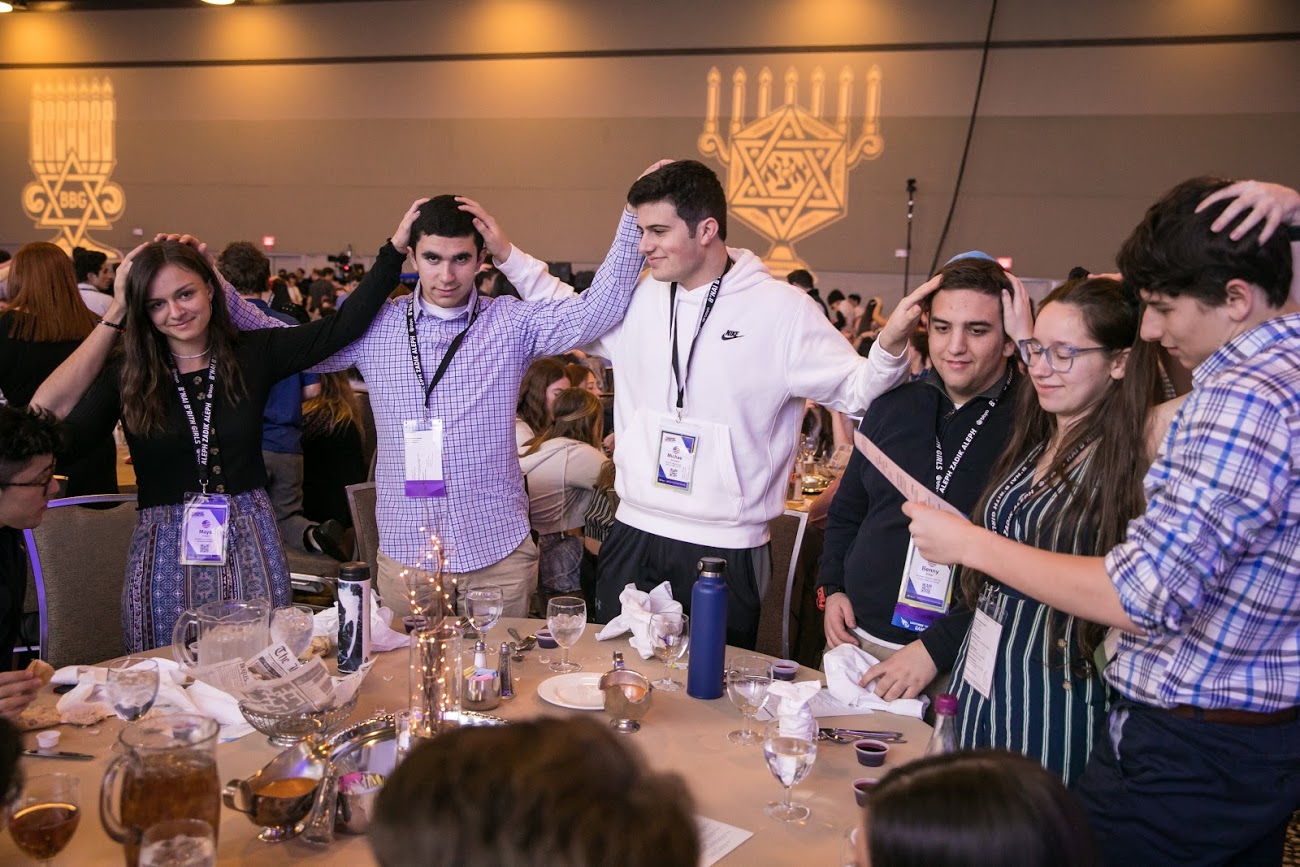
The concept of community is central to our faith. In traditional times, there was a heavy emphasis on attending services in a synagogue with a minyan, a quorum. While during the current COVID-19 outbreak solitary prayers have of course become the norm, the preference for communal prayers still remains an important socioreligious ideal. From where does the notion of community and communal prayer originate?
The answer of course, is this past week’s Parsha. The verse in Emor states, “V’nikdashti B’toch Bnei Yisrael, and you shall sanctify me among the Jewish people.” The Talmud derives from here that to achieve a truly sanctified occasion such as services, rituals, or life cycle events, they should be performed with a community and not simply individually. How does community affect holiness? Why do we place such a heavy emphasis on community?
There is a puzzling section in the Talmud that declares, “Prayers on a fast day which do not include the entire spectrum of the Jewish community is not a true fast day.” What is the message of the section? Why must a prayer service include every Jew? What does it mean it is not complete without them? What is wrong if certain people do not feel the need to be part of the community?
A true community is one in which everyone learns from and supports each other. Judaism does not advocate a system where only the wise, great, and learned are the teachers and everyone else must sit submissively and listen. It is not a system where there is a neat and clean division between teacher and student. To the contrary, Judaism teaches us that a wise person learns from everyone. In healthy and productive communities,there is communal learning and growth. Each of us learn from one another and we each inspire the other—that is the hallmark of Kehilla Kedosha, a holy community.
A congregation of oneself cannot provide the support and meaning that is derived from being a part of the larger whole. How will a person ever learn about another if they never encounter and interact with them? They will never be inspired by hearing how someone rose above their challenges and overcame their limitations, or be comforted by someone who has experienced similar loss, or be simply supported by the love of caring friend. A whole avenue of inspiration will be forever lost to them by closing themself off to people who are different than them. The requirement to have ten people for religious matters is not so there will be people at holy events, but so that the people themselves become holy. It is an opportunity for us to share experiences and be inspired by those who are different and unlike ourselves.
Right now, we don’t have the opportunity to interact physically with our BBYO community, but that does not mean that it does not exist. It simply means we have to make more of an effort to find it and connect with it. Indeed, it is essential that we do so. Our inspiration would be incomplete without our BBYO friends; our learning would be lacking without our BBYO advisors; and we’d be missing a key part of our support and comfort us if not for our BBYO staff.
Connection is essential for our communal and personal existence. Although we cannot be physically together, we strive to remain connected so we can continue to inspire and be inspired by one another. It will only be through this most valuable bond with one another that we will make it through these difficult times.
Rabbi Meir Tannenbaum
BBYO Director of Jewish Enrichment
All views expressed on content written for The Shofar represent the opinions and thoughts of the individual authors. The author biography represents the author at the time in which they were in BBYO.
Explore More Stories
Identity

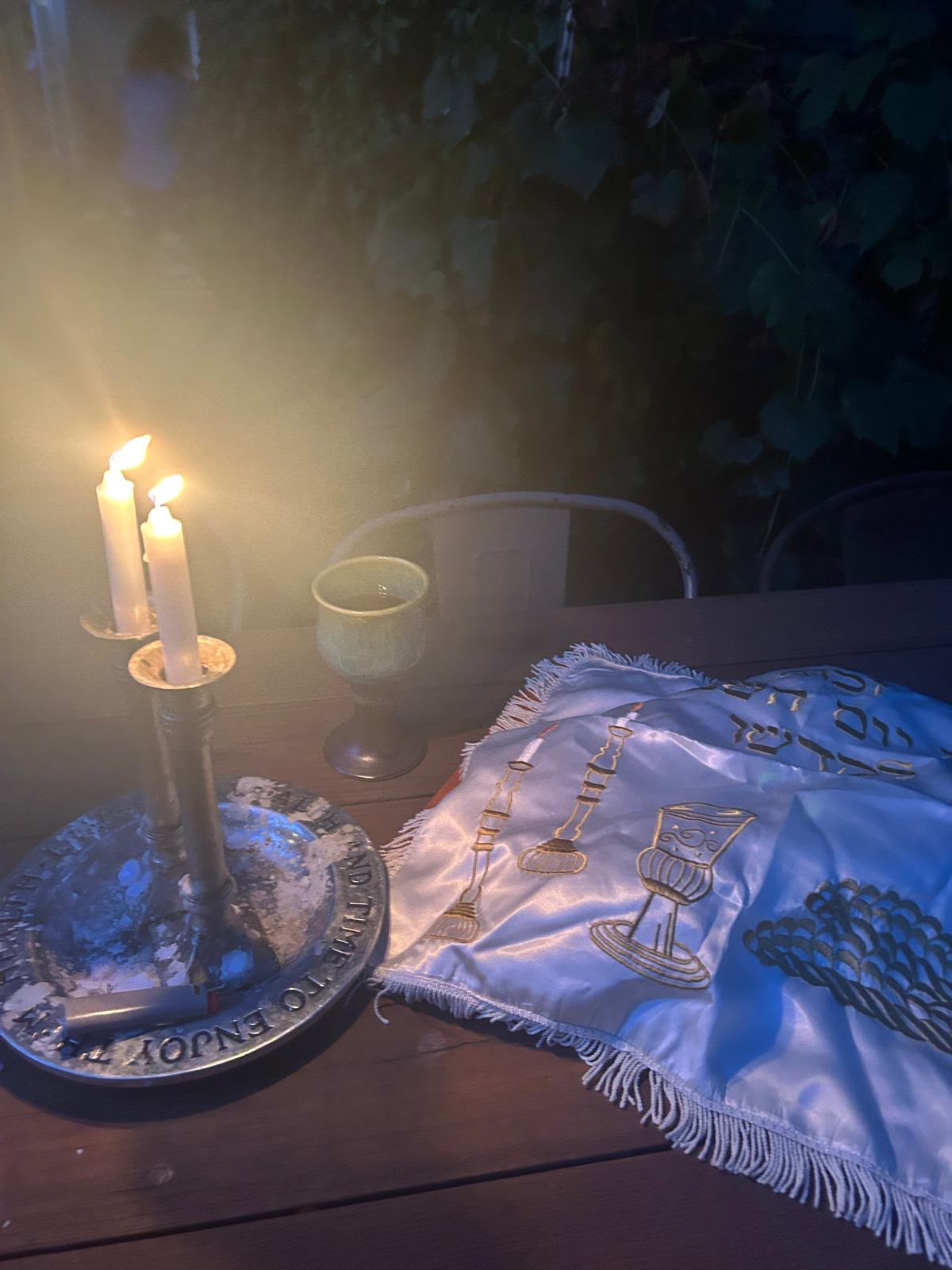
Taking The Risk
A personal reflection on what it means to risk starting over in order to feel safe and proud being Jewish.
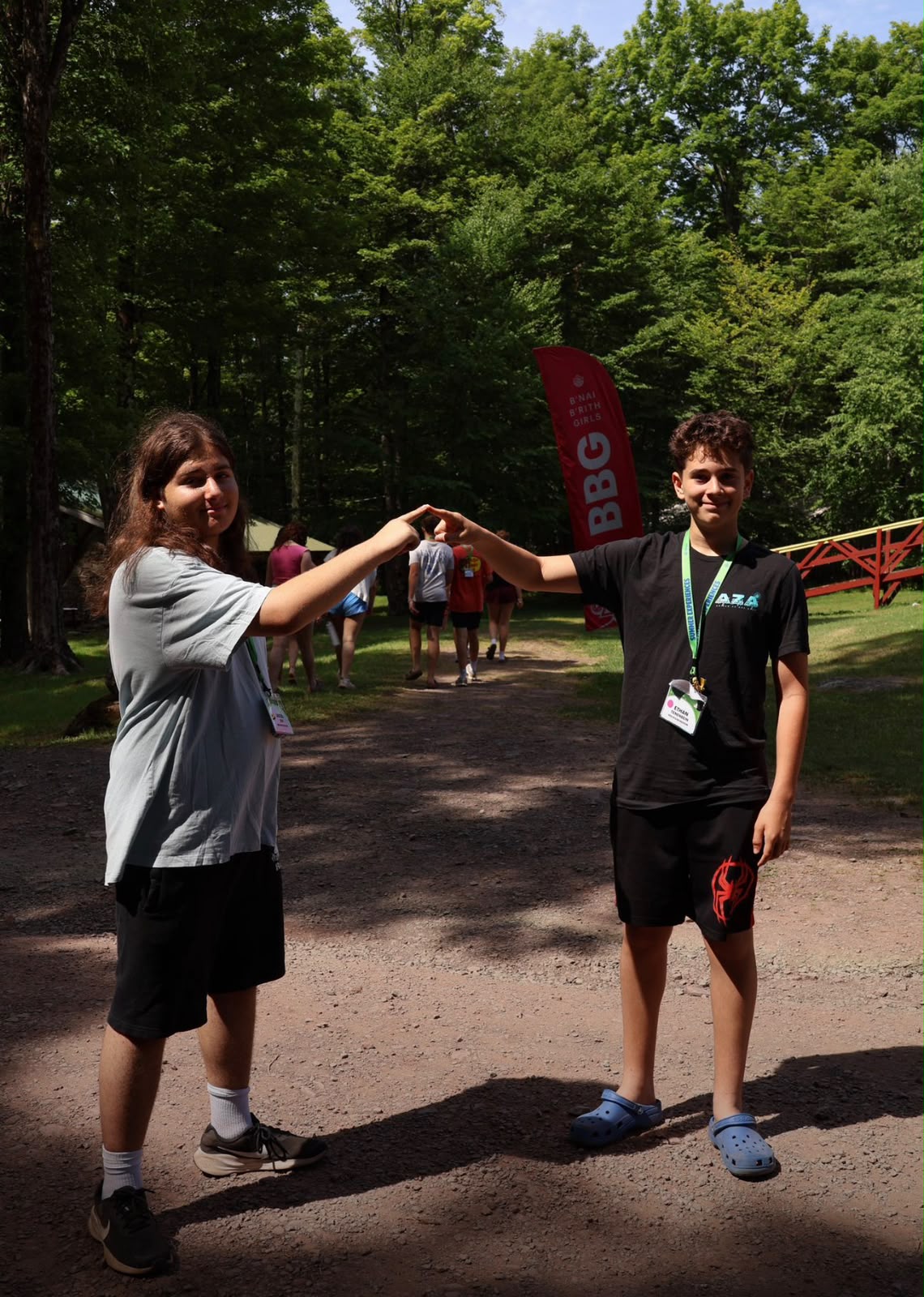
Identity
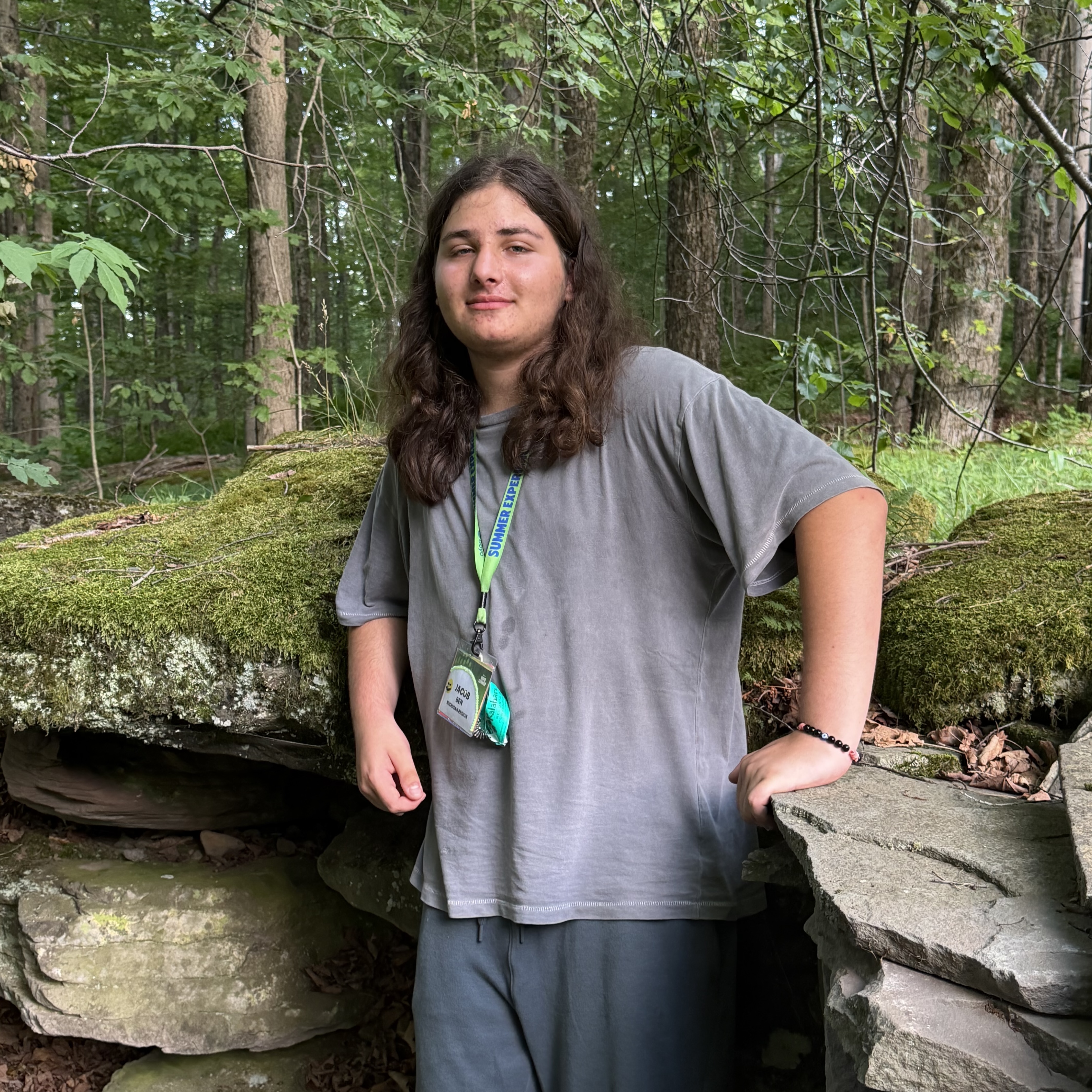
The Importance of Traditions
From pancakes to paperclips, traditions build connections and friendships.

Opinion

Seatbelt Stories
Giving rides to underclassmen in BBYO, and in general, hits different. Why?