- Get Involved
- BBYO Near You
- Summer Experiences
-
International Convention
International Convention
-
AZA & BBG Movement
AZA & BBG Movement
- About BBYO
Connection
Parshat Emor: Live a Life of Holiness


This week’s Torah portion is Parshat Emor. Parshat Emor takes us through the restrictions of the Kohanim (priests) then proceeds to describe the holidays ranging from Pesach to Yom Kippur to Shabbat. Then the parsha continues on about the Omer, and how over a seven week period it leads up the festival of Shavuot. Sounds interesting, right? There's a lot more to this parsha than what's at surface level, just like how there's so much more to BBYO once you get past that first event.
Within this week's parsha lies a very important concept: The importance of educating the next generation. In the very first verse of the Parsha, G-d says to Moses: "Say to the Kohanim, the sons of Aaron, and say to them: none shall defile himself for any [dead] person among his kin," (Leviticus 21:1). One of the most prolific commentaries on the Torah Rashi (Rav Shlomo Yitzhaki, 1040- 1105) questions the superfluous language in this verse. He wonders why the word “say” is repeated twice. Rashi quoting the Talmud (Yevamot 114a) explains that the double language is meant to instill in us the notion that not just are the Kohanim responsible for themselves, but they are also responsible for the next generation as well.
Parent, role models, and even upperclassmen within our BBYO circle maintain a responsibility for the next generation. They must carry the torch and play a key role in influencing and helping to shape those in their sphere of influence.
As we close out the school year, for many seniors, including myself, our time in BBYO comes to a close. We have a few moments to pause and reflect on who helped guide us and question whether we have we fulfilled our responsibility in reciprocating and guiding others.
The Torah emphasizes that the Kohanim served as role models for how to live a life of holiness. Yet, they didn't have a guidebook. There is no specific text or book on how to live a holy life as a Kohein. Rather, than being able to study and learn the proper behaviors, they were forced to watch and seek to emulate those that came before them.
We all have the ability to influence others. Using this form of influence to help other and to bring about positive change in the world is one of the most important tenets of leadership. When we lead by example, we are a force for good and ensuring that our legacy continues forever.
Shabbat Shalom,
Haylie Keller, NTO
All views expressed on content written for The Shofar represent the opinions and thoughts of the individual authors. The author biography represents the author at the time in which they were in BBYO.
Explore More Stories
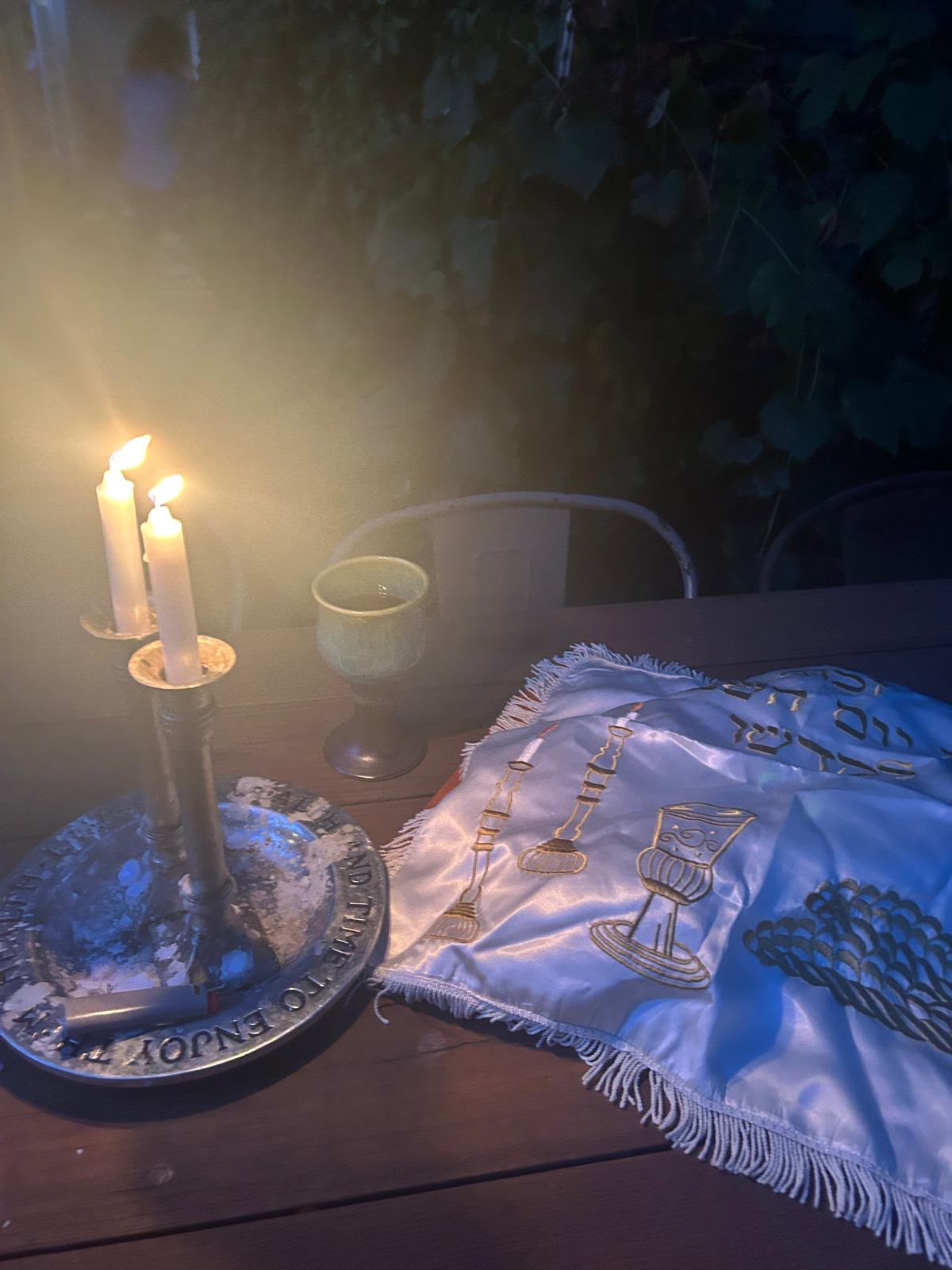
Identity

Taking The Risk
A personal reflection on what it means to risk starting over in order to feel safe and proud being Jewish.
Identity

The Importance of Traditions
From pancakes to paperclips, traditions build connections and friendships.

Opinion

Seatbelt Stories
Giving rides to underclassmen in BBYO, and in general, hits different. Why?