- Get Involved
- BBYO Near You
- Summer Experiences
-
International Convention
International Convention
-
AZA & BBG Movement
AZA & BBG Movement
- About BBYO
Identity
Parshat Va’era: And I Appeared

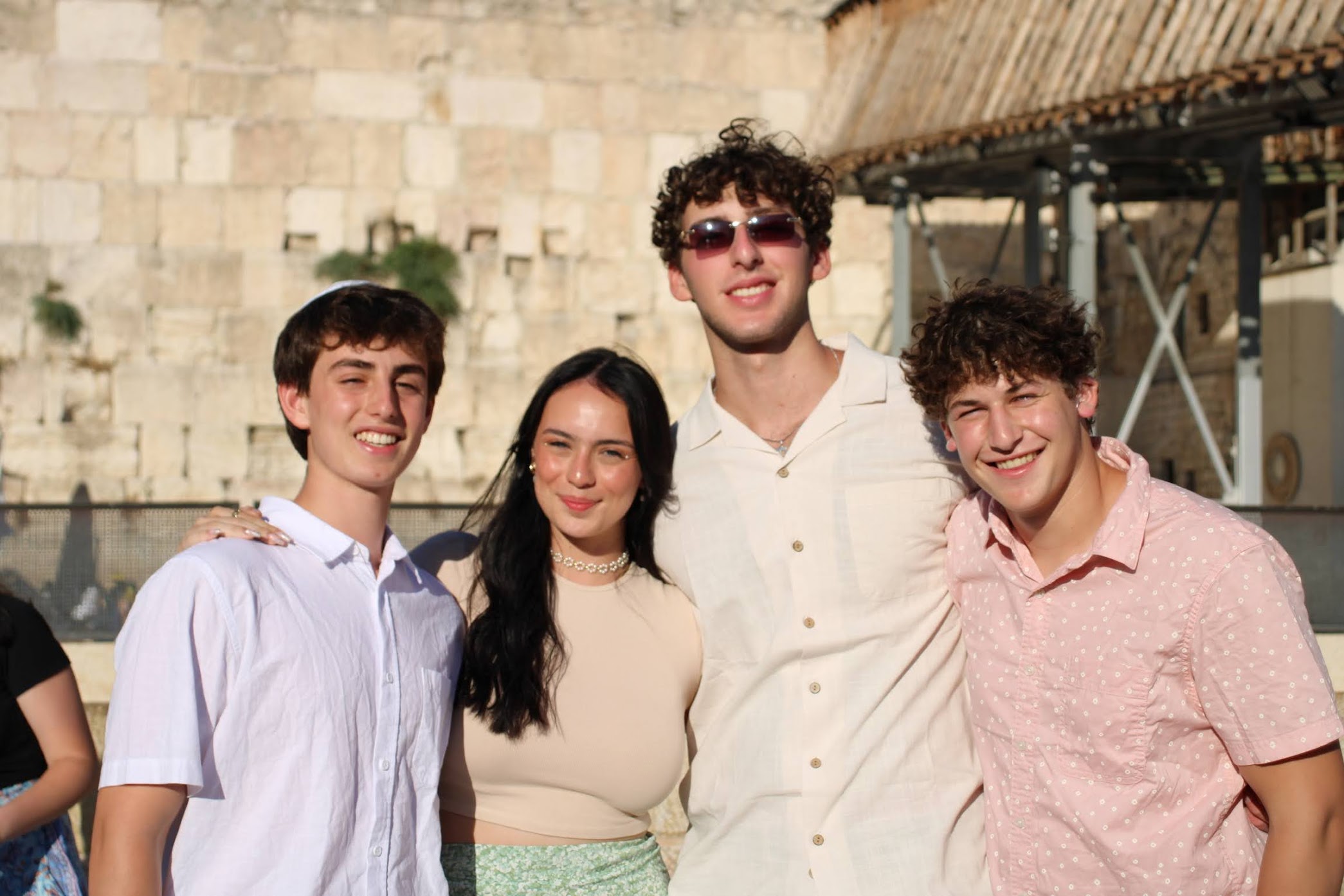
This week’s Parsha, Parshat Va’era talks about part of one of the most well-known stories of Judaism: Pesach. It describes to us many key moments we may have learned as kids, but many times we are not told the full story, and we realize things are much deeper than what we initially thought.
G-d presents itself to Moses and promises him that he will take the Israelites out of Egypt, help them be free, redeem them, take them to Mount Sinai, and then to the land of the patriarchs. For many Israelites, life as slaves in Egypt is almost all they know, they don't even fathom the possibility of being able to go to their homeland. G-d decided to appear before Moses and said “I am G-d, I appeared to Abraham, to Isaac, and to Jacob as E-l Shaddai, but by My name ‘Hashem’ I did not make Myself fully known to them.” It promises the Israelites many things, many of which they never knew were even a possibility.
G-d says that even the patriarchs didn't fully know G-d’s name, but we know the Torah says in Genesis 12:7, Vayera Hashem el Avram, “G-d appeared to Abram and said, “To your descendants, I will give this land.” In the very following verse, it says that Avram built an altar and “He called on the name of Hashem” (Genesis 12:8). So Avram knew the name and had used it. Nevertheless, G-d decrees that they didn't fully know G-d’s name, which is why many say history started here.
After the flood, G-d stopped influencing the world through natural disasters, rather through directly interacting with the people of the world. As Rabbi Lord Jonathan Sacks says, “Time was no longer going simply to be what Plato beautifully described as the moving image of eternity. It would become the stage on which G-d and humanity would journey together toward the day when all human beings.“ We stop from what we know to dive into a new phase of our history.
This Parsha indicates the importance of being open to change. Moses wasn't used to being a leader but he had to adapt to the Israelites' needs. We thought we knew G-d’s name fully but we didn’t. We are deeper than we show, we can be more open than we are. It's 100% in our court whether we choose to change what we are, to dig deeper, or if we want to stay with the status quo, not going that deep and not taking the risk of unlocking new possibilities and new experiences. It's a choice left to us and we are the only ones with that power. The title of this parsha translates to “And I appeared”, so I invite you to take this Shabbat with your eyes open and your ears ready to hear and see what new things can appear in our life.
Shabbat Shalom, Gal Rubel, BBYO Argentina
All views expressed on content written for The Shofar represent the opinions and thoughts of the individual authors. The author biography represents the author at the time in which they were in BBYO.
Explore More Stories
Identity

Taking The Risk
A personal reflection on what it means to risk starting over in order to feel safe and proud being Jewish.
Identity
The Importance of Traditions
From pancakes to paperclips, traditions build connections and friendships.

Opinion

Seatbelt Stories
Giving rides to underclassmen in BBYO, and in general, hits different. Why?