- Get Involved
- BBYO Near You
- Summer Experiences
-
International Convention
International Convention
-
AZA & BBG Movement
AZA & BBG Movement
- About BBYO
Connection
Parshat Chayye Sarah: Their Memory is More Than a Blessing

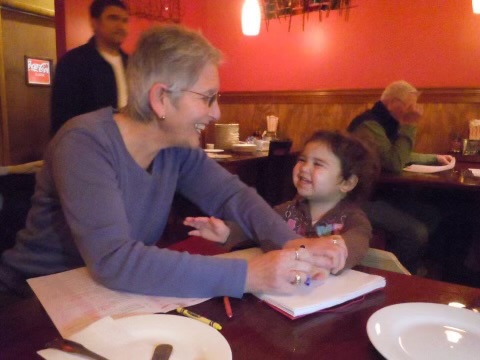
Chayye Sarah is a story of life; its literal translation is “The life of Sarah.” As Jewish people, we often have life-cycle events to attend, whether it's a bat or bar mitzvah, a wedding, or a baby naming. I have been to all of these, but I have also been to multiple funerals from a young age. The way I coped with going to funerals more often than those my age was by my parents explaining that life and death were always explained to me hand in hand. Now reflecting back on it, this is a positive thing because, as Jewish people, we recognize funerals as a life-cycle event.
Growing up, funerals always felt taboo to me. When my grandmother passed away in 4th grade, I was nine. I had already been to one funeral that year, and to go to another set me even further apart from the rest of my friends. I felt very alone, because it was already hard to understand grief and just as difficult to explain that feeling to others who hadn't yet experienced it. My friends wanted to be comforting, but they didn’t know how.
?In Chayye Sarah, Sarah passes away at the age of 127. When reading the parsha, I found comfort in the reason the parsha is named after Sarah’s life: even after her death, she was still influencing her husband and son’s lives. Abraham went on to purchase land in Canaan to bury Sarah there, providing the descendants of Sarah and Abraham with a designated burial site and furthering the Jewish people’s physical history in present-day Israel. Additionally, Abraham decides that Sarah would want Issac to get married, and so Isaac, with the help of Abraham and Eliezer, looks for a wife. While looking for Issac’s wife, Abraham seeks a woman who can lead the Jewish people after Sarah’s death and who shares traits similar to Sarah's. Abraham ends up picking Rebekah, and she and Issac get married.
?Even after Sarah passes away, she still leaves an impact on the people who know her, affecting their lives in a way that wouldn’t have been possible if it weren’t for Sarah's death. Although this didn’t magically bring Sarah back to life, it was a way for Abraham and Issac to have a part of her in their present lives, as Sarah steered their actions even after passing. It is said in the Midrash Kohelet, “‘For the living know that they will die’ these are the righteous, who, even in their death, are called alive.” This gives the Jewish people an explanation that aligns with Chayye Sarah, since although she dies, her soul remains alive in the sense that she continues to affect those who are alive.
After my grandmother passed away, a couple of months later, COVID happened. My family was brought together during this, as most were, because we were confined to our house for months. I vividly remember hearing my parents say that this is what my grandmother would have wanted, because she was the biggest advocate for putting family first. In a way, she steered how my family handled COVID, bringing us closer together.
?Chayye Sarah illustrates that a person's passing doesn’t mean they are gone forever, an idea many can resonate with today. By reading this portion, it is a way to handle grief in a positive light and can influence how we choose to live after a loved one passes away.
Shabbat Shalom,
Aliyah Gutman
All views expressed on content written for The Shofar represent the opinions and thoughts of the individual authors. The author biography represents the author at the time in which they were in BBYO.
Explore More Stories
Identity
Taking The Risk
A personal reflection on what it means to risk starting over in order to feel safe and proud being Jewish.
Identity
The Importance of Traditions
From pancakes to paperclips, traditions build connections and friendships.

Opinion

Seatbelt Stories
Giving rides to underclassmen in BBYO, and in general, hits different. Why?