- Get Involved
- BBYO Near You
- Summer Experiences
-
International Convention
International Convention
-
AZA & BBG Movement
AZA & BBG Movement
- About BBYO
Connection
Parshat Emor: In a World of Being Perfectly Imperfect
The first words of Parsha Emor hold great meaning, “???? ?? ??????” (“speak to the priests”). The parsha begins with a single yet powerful word, “speak”.
The Torah describes the different aspects of Jewish life. First, explaining the special responsibilities of the Kohanim, the priests. The Kohanim were entrusted with protecting the Beit HaMikdash. These rules explain the limits that one must abide by, such as how to mourn, whom to marry, and when to step back from ritual. To us, these laws may feel strict, but they serve as a reminder of the Kohanim's responsibilities in their actions, as we all have responsibilities in something we use every day: our voices.
We live in a world, especially as teens, where there is constant pressure to appear perfect. Whether it’s school, social media, or our future, it can feel like we are always being compared to others. In a way, it can feel like we are being asked to live like Kohanim, always put together, always “right.” However, we are perfectly imperfect. In reality, the uniqueness of our imperfections is what makes us strong, just as the Kochanim.
Emor calls on us, the Alephs and B’nai B’rith Girls of the present, to harness the power of our voices for good. We can speak up against injustice in the world and be the light in someone’s day. This sense of holiness that we all possess within our neshama, our soul, is the gift of Emor, guiding us to live a life of sacredness.
Later in the parsha, this idea of holiness appears again through time itself, with the mitzvah of Sefirat HaOmer the counting of the seven weeks between Pesach and Shavuot. Each day, we count out loud. This ritual reminds us to pause in our often overwhelming lives and take a moment to reflect and grow.
Just like counting the Omer builds day by day, we build ourselves word by word. The joy and holiness of counting the Omer is a time to connect amidst the chaos of our imperfect lives. We can use our voices to pause and speak the words to ourselves and others that heal.
Emor reminds us to “speak”. Not the loud words that turn heads, but the quiet whispers of support when your brother Aleph or sister B’nai B’rith Girl is in need of a hug and a shoulder to lean on. When we use our voices to uplift and support others, I ask you to remember the words spoken in Emor, guiding us in living a life of perfect imperfection.
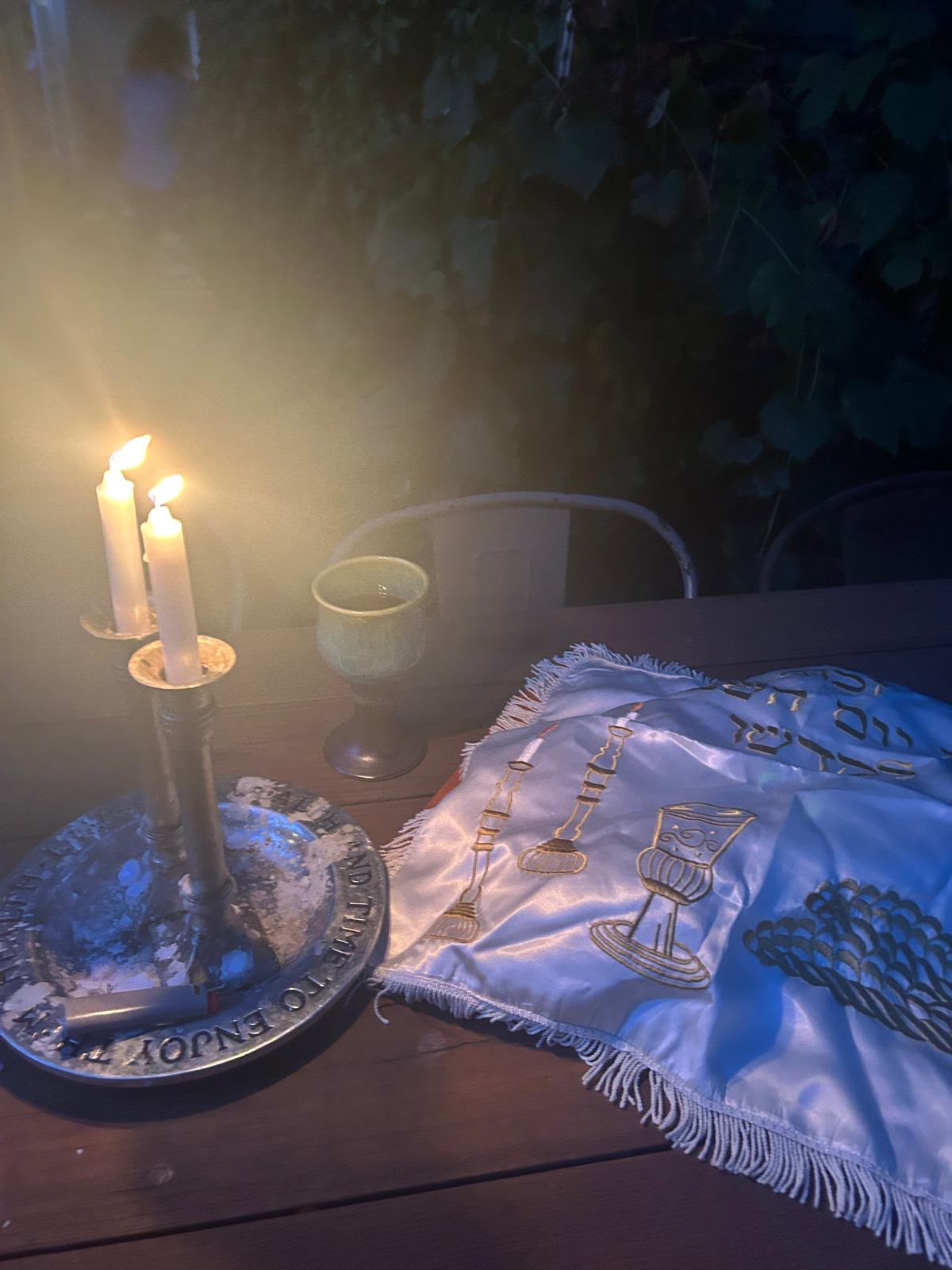
As we welcome in the Sabbath bride, I ask you this: What are the words that you need to speak to yourself or to others? Emor teaches us to carry the responsibilities of life with grace and humility, while remembering that even those held to the highest standards still need support.
May we have the courage to speak, to ask for help, and to uplift those around us. And may we all experience a perfectly imperfect Shabbat, guided by the power of our voices.
Shabbat Shalom,
Mel Franklin
Wisconsin Region
All views expressed on content written for The Shofar represent the opinions and thoughts of the individual authors. The author biography represents the author at the time in which they were in BBYO.
Explore More Stories
Identity

Taking The Risk
A personal reflection on what it means to risk starting over in order to feel safe and proud being Jewish.
Identity
The Importance of Traditions
From pancakes to paperclips, traditions build connections and friendships.

Opinion

Seatbelt Stories
Giving rides to underclassmen in BBYO, and in general, hits different. Why?