- Get Involved
- BBYO Near You
- Summer Experiences
-
International Convention
International Convention
-
AZA & BBG Movement
AZA & BBG Movement
- About BBYO
Identity
Somewhere in Between
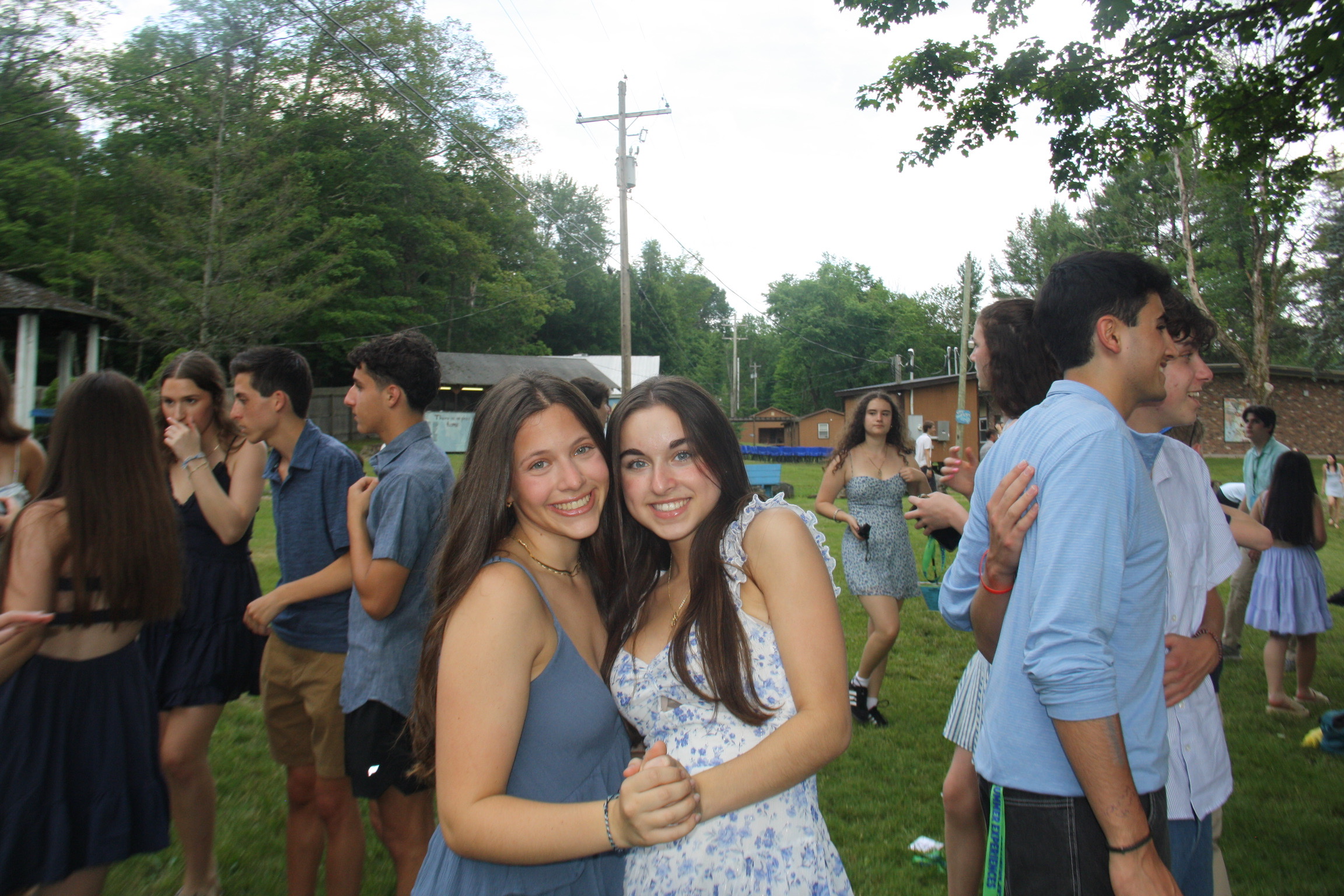
On Rosh Hashanah, the Talmud says three books get opened in front of Hashem. One for the wholly righteous. They're written straight into the book of life, no waiting required. One for the wholly wicked. They're written into the book of death, also no waiting. And then there's a third book, for the beinonim, people whose good and bad throughout. Their verdict doesn't get sealed on Rosh Hashanah. It just hangs there, undecided, until Yom Kippur. What they do with those ten days in between is what actually decides who they become.
I think almost every one of us has been a beinoni at some point. Not the best. Not the worst. Just stuck in the middle, waiting to find out which version of your story you're going to get.
This term I ran for Regional N'siah. I ran against two of my best friends. Both of them were, and are, incredible. Genuinely some of the most qualified, hardworking people I know. When I stood there waiting for the results, I wasn't hoping the other two would fail. I loved them. I still wanted good things for them. But I also wanted this so badly for myself. That's its own kind of in between, wanting something for yourself while wanting good things for people you love, and not knowing which feeling you're allowed to have first.
I lost. And for a second I felt like I'd been written straight into that book of the wholly wicked, like the decision was already made and there was nothing left to do but accept it.
But BBYO gives you a slide. If you don't win, you get the chance to run again, for a different position. So I slid to Mazkirah, the position I held the year before. And I won.
Losing didn't seal anything. It just meant my book was still open.
Beit Hillel (ancient rabbinic school of thought) argues about what happens to the beinonim. He says Hashem is "rav chesed," abundant in kindness, and tilts the scale in their favor so they don't have to go through the hard part alone. And earlier on the same page, Rabbi Yitzhak teaches that a person is judged only by their deeds in that moment, not by what they'll do later. Not by who almost had the position. Not by who beat you. Just by what you do next.
That's what the ten days between Rosh Hashanah and Yom Kippur are actually for. Not proving you deserve the good book. Just showing up in the space where nothing is decided yet and doing something with it.
So if you've ever lost something you wanted badly, in front of people you love, or in front of anyone at all, I don't think that's your final page. You're probably a beinoni, and so is almost everyone else reading this. The story isn't finished. What you do in the in between is still yours to write.
Shanah Tova,
Rachel Lewin
Miami Region
All views expressed on content written for The Shofar represent the opinions and thoughts of the individual authors. The author biography represents the author at the time in which they were in BBYO.
Explore More Stories
Identity

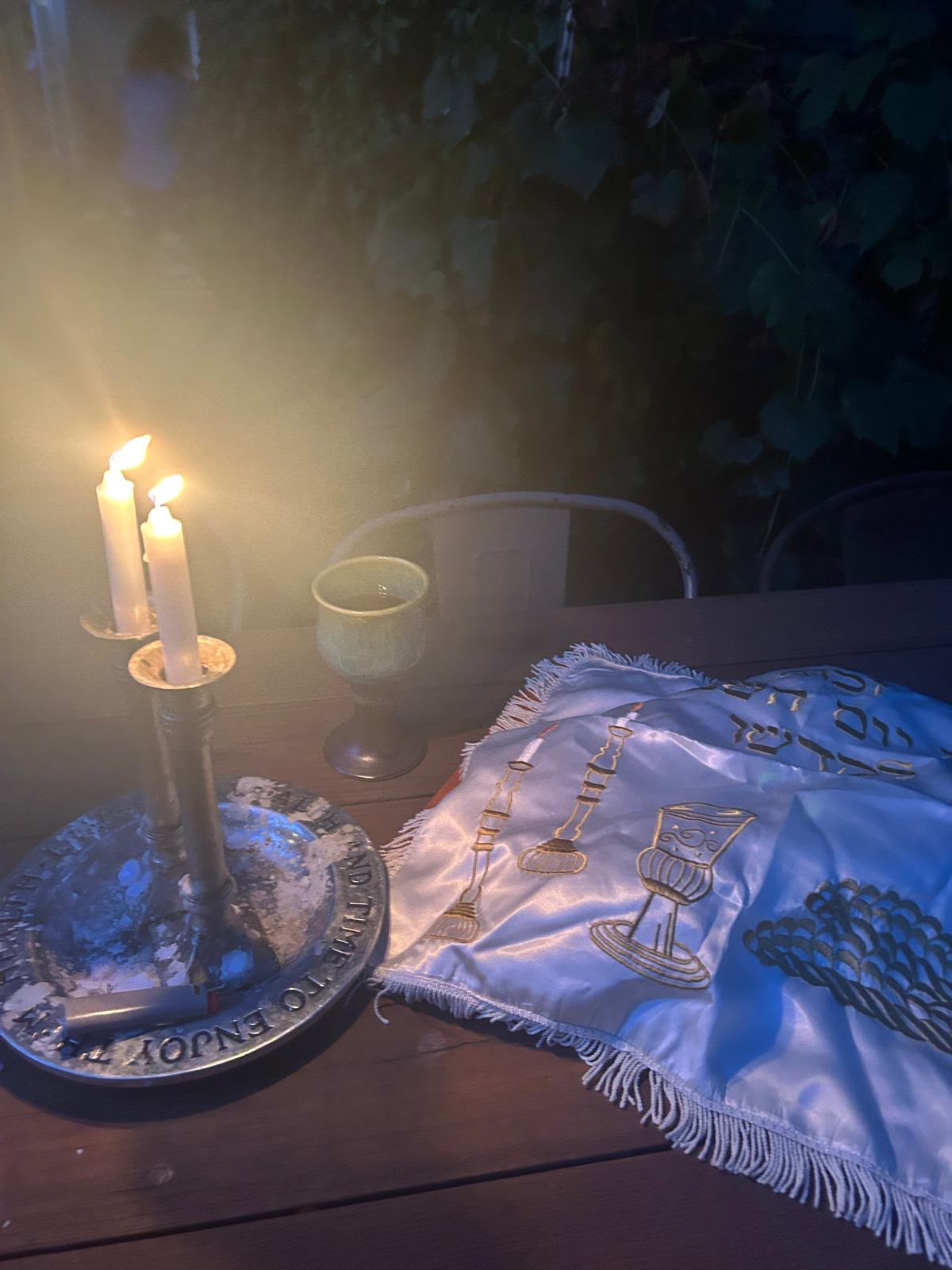
Taking The Risk
A personal reflection on what it means to risk starting over in order to feel safe and proud being Jewish.
Identity
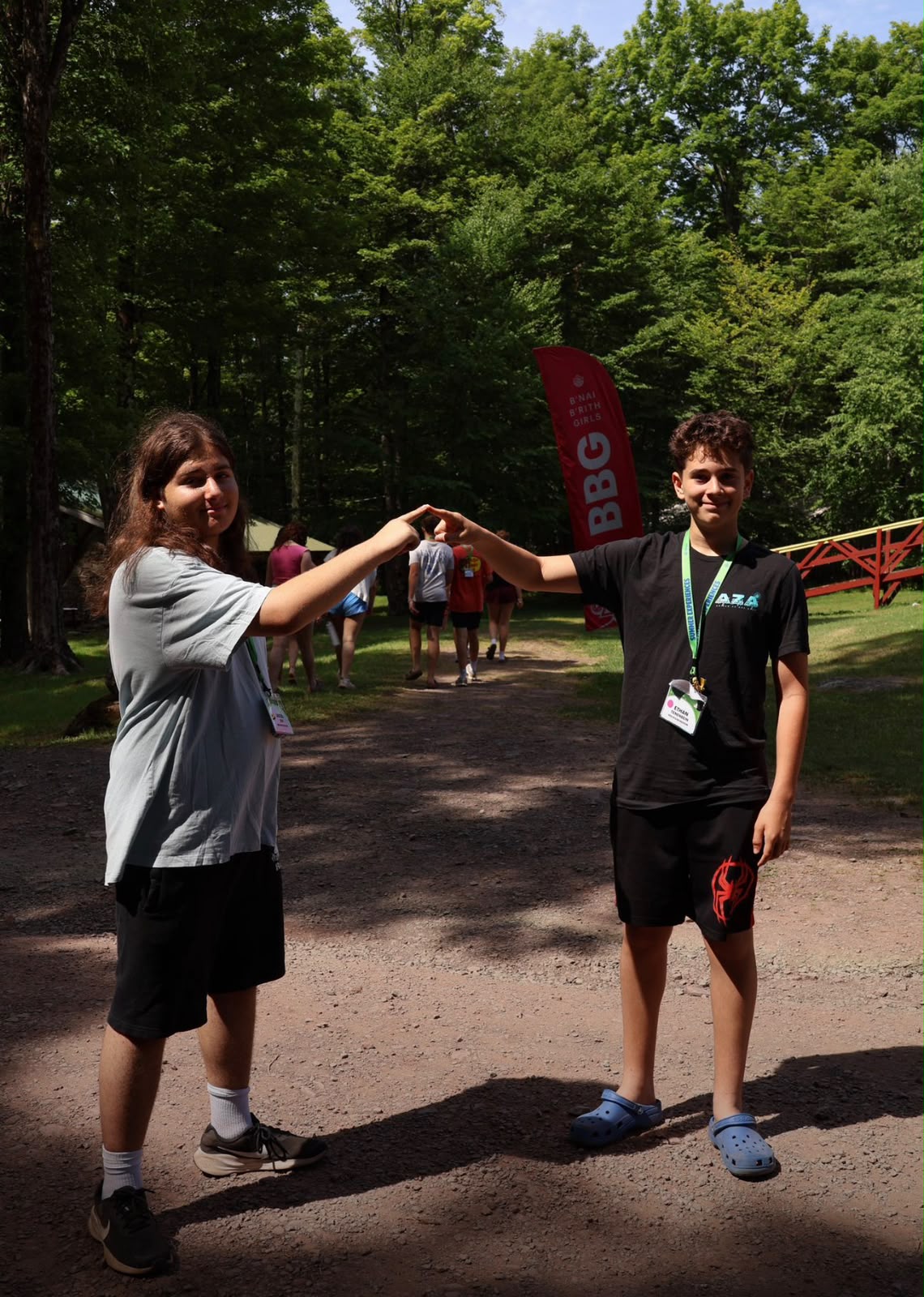
The Importance of Traditions
From pancakes to paperclips, traditions build connections and friendships.

Opinion

Seatbelt Stories
Giving rides to underclassmen in BBYO, and in general, hits different. Why?